






The Fantasy vs. The Bureaucracy
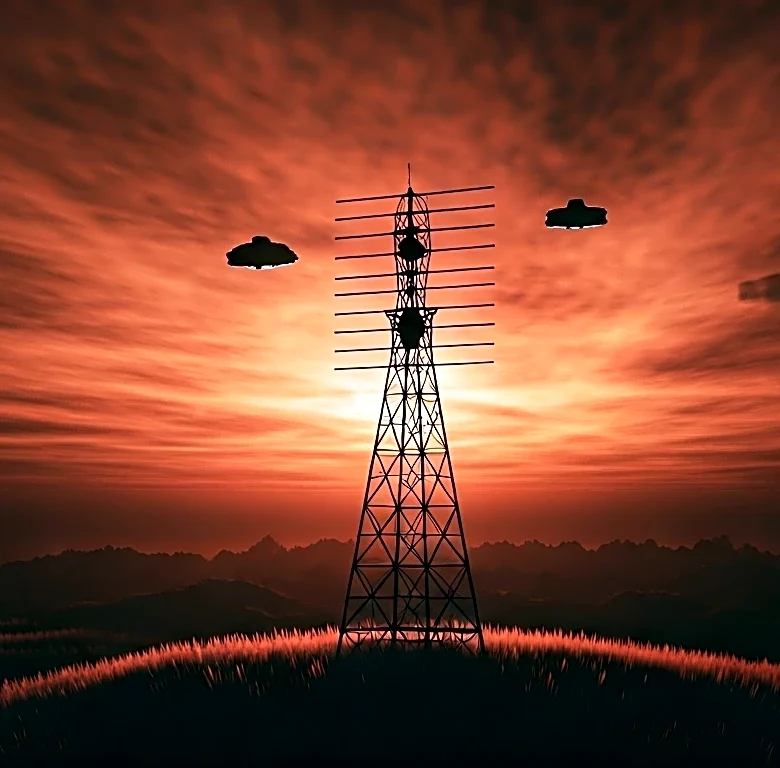
For decades, ‘disclosure’ was a fantasy confined to sci-fi conventions and late-night radio. It was a singular event, a moment of global unity or terror. But the reality, should it come, would likely be far more mundane and, therefore, more unsettling.
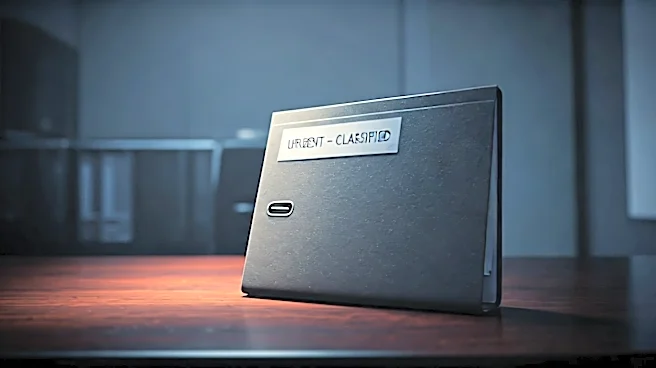
Forget a presidential speech in front of a spaceship. Imagine, instead, a heavily redacted 400-page report released on a Friday afternoon. Picture a contentious congressional subcommittee hearing where one official calls a retrieved craft “non-human,” while another calls it “inconclusive.” Real disclosure wouldn't be a clean break. It would be a slow, confusing, and contradictory drip of information managed by the same bureaucratic machinery that runs the DMV. The initial fear wouldn't be of little green men, but of the soul-crushing realization that the most profound event in human history is being handled with memos, inter-agency squabbling, and classified addendums you’ll never get to read.
The Shock to Our System
The true terror of a legitimate disclosure lies in what philosophers call “ontological shock”—the forcible shattering of our core understanding of reality. For all of human history, we have operated under the assumption that we are, if not alone, then at least the undisputed lead actors on this stage. The confirmation of non-human intelligence, especially one that is technologically superior, would relegate humanity to a supporting role in our own cosmic backyard. This isn't just an intellectual exercise; it’s a crisis that would ripple through every pillar of society. Religions would face an existential reckoning. Our scientific frameworks would be upended. Our sense of purpose, built on human exceptionalism, would evaporate. The fear here is not of an invasion, but of an incurable case of cosmic vertigo. What do you do the morning after you learn that everything you thought about humanity's place in the universe was wrong?
Who Do You Trust in the Chaos?
Perhaps the most immediate and tangible danger is the instantaneous collapse of public trust. Recent whistleblower testimony, like that from David Grusch, doesn’t just allege the existence of UAPs; it alleges a decades-long cover-up by factions within the government. If proven true, disclosure wouldn't just be an announcement about aliens; it would be an admission of a conspiracy against the public. The question “Why did you lie to us for 80 years?” would be impossible to answer satisfactorily. This vacuum of trust would become a breeding ground for paranoia and exploitation. Every politician's statement would be scrutinized for hidden meanings. Conspiracy theories would flourish, but now with a terrifying kernel of legitimacy. New cults would form overnight, promising a path to the stars. Grifters would sell alien technology cures. The aliens wouldn’t need to fire a single shot; we would be perfectly capable of tearing ourselves apart in the ensuing chaos.
What Happens on Tuesday?
The grand, philosophical fears are potent, but the small, practical ones are what would paralyze us. Let’s say the news breaks on a Monday. What happens on Tuesday? Does the stock market open? Does your 401(k) crater as investors panic over unknowable technological disruption? Do you go to your job as a marketing manager when your entire industry suddenly feels profoundly irrelevant? The arrival of a new, advanced technology could render entire sectors of our economy obsolete overnight. The social contract, already frayed, might snap under the weight of such monumental uncertainty. The scariest part of a paradigm shift isn't the new paradigm itself, but the chaotic, lawless transition period. It’s the terrifying silence after the bombshell drops, when everyone looks around and realizes that none of the old rules apply anymore, and nobody knows what the new ones are.