




The Monoculture Machine
For decades, the VMAs weren't just an awards show; they were a cultural kingmaker. This was the stage where Madonna created a national conversation with a wedding dress, where Britney Spears danced with a python, and where an army of Eminem lookalikes
signaled a shift in hip-hop's mainstream dominance. In the era before the internet atomized our attention, MTV was the great unifier of youth culture, and the VMAs were its annual Super Bowl. The network didn’t just play the hits; it dictated them. A memorable VMA performance or a shocking unscripted moment could define an artist's career and provide the entire country with a shared reference point to be debated at school or work the next day. This was a top-down model: MTV curated, and the masses consumed. The show felt dangerous, unpredictable, and, most importantly, essential viewing.
When the Audience Left the Building
The shift was gradual, then sudden. First came the internet, then YouTube, which democratized the music video, and finally, the streaming onslaught led by Spotify and the rise of short-form video on TikTok. The singular, curated firehose of MTV was replaced by an infinite library of personal choice, driven by algorithms. The audience no longer had to wait for MTV to play their favorite video; it was available on-demand, anytime, anywhere. As the audience scattered, so did the power. An artist's path to stardom no longer ran exclusively through a television network. Viewership for all award shows, including the VMAs, began to decline as fans realized they could simply watch the highlights on YouTube or see the memes on social media seconds after they happened, without sitting through a full broadcast.
Chasing the Viral Moment
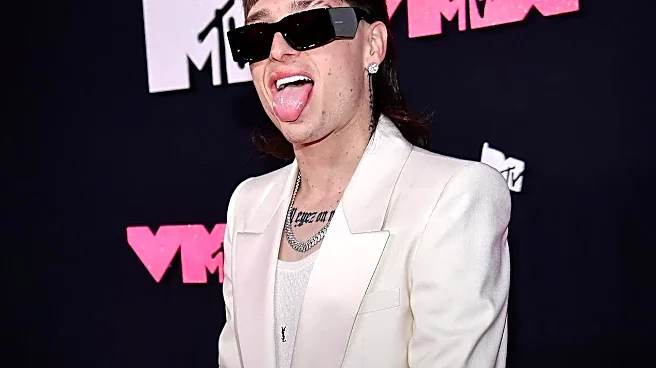
The modern VMAs understand this new reality. If you can't command a nation's undivided attention for three hours, you can at least try to dominate its social media feeds for a few minutes at a time. The show's focus has pivoted from creating a cohesive cultural event to engineering a series of bite-sized, shareable moments. Everything feels optimized for virality: the outlandish red carpet fashion, the unexpected celebrity interactions, and performances designed to be clipped and reposted. The show now actively courts fan engagement through social media voting for key categories, with voting taking place on platforms like Instagram Stories. This year's broadcast strategy tells the whole story: it airs live on the traditional CBS network, is simulcast on its original home MTV, and streams on Paramount+. It’s an admission that the audience is everywhere and nowhere at once, forcing the old guard to play by new rules.
The New Arbiters of Fame
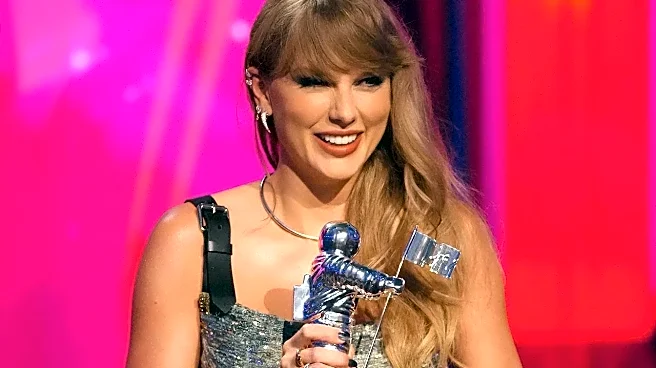
Perhaps the biggest change is that the VMAs are no longer the primary star-making platform. Today, artists emerge from TikTok trends and build massive followings on Spotify and YouTube long before they ever set foot on a VMA stage. The show now often serves to validate success that was achieved elsewhere. This is evident in how even the award nominations are analyzed through the lens of streaming data, with platforms measuring artists' Spotify streams, YouTube views, and TikTok audience growth to predict winners. The creation of new awards, like the inaugural Artist Director Honors given to Taylor Swift in 2026, reflects a need to recognize the multifaceted, self-driven nature of modern stardom where artists are also visual storytellers for their online audiences. The VMAs now follow the culture more than they lead it, crowning the kings and queens of platforms that have usurped MTV's old throne.