





Tier 1: The Sideline Generals
This is the highest tier, reserved for the coaches who command the touchline with more than just tactics. Their style is a uniform of authority, a crisp, unwavering statement in the face of chaos. It’s not about flashy brands; it’s about a perfect silhouette,
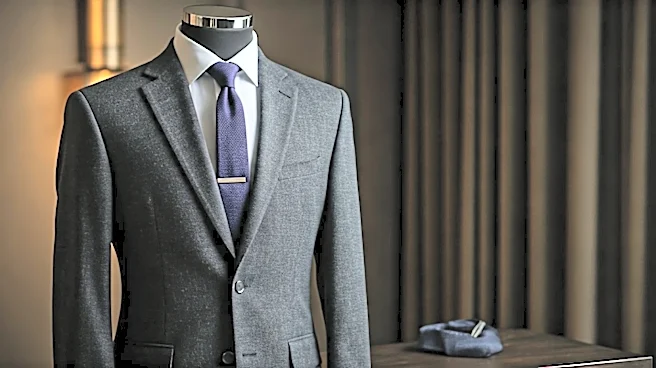
repeated with the discipline of a training drill. This isn't fashion, it's a psychological advantage worn on their sleeve. They project calm, control, and an unshakable sense of purpose. The prime example is Hervé Renard, former manager of Saudi Arabia. His uniform is simple: a form-fitting white shirt, often with the top buttons undone, tucked into dark trousers. In a sea of branded tracksuits and ill-fitting suits, Renard’s stark simplicity is a masterclass in personal branding. Equally powerful was Japan’s manager, Hajime Moriyasu. While Renard is breezy confidence, Moriyasu is all about meticulous precision. His tailored suits, often from British brand Dunhill, were flawless. He looked less like a football coach and more like a CEO whose sartorial perfection mirrored his team's disciplined play.
Tier 2: The Consistent Curators
This tier belongs to the players who understand the power of a signature look. While others experiment, they refine. They’ve found what works for them—off the pitch, arriving at the stadium, or in front of a press microphone—and they execute it flawlessly every time. It’s a quiet confidence that comes from knowing your own style DNA. This is about building a personal aesthetic that is as recognizable as their style of play. Look no further than Son Heung-min. The South Korean superstar is a global fashion ambassador for a reason. His style is clean, modern, and exceptionally consistent. Whether it’s a perfectly fitted Burberry trench coat, a simple black turtleneck, or the now-iconic protective face mask he turned into a starkly futuristic accessory, his choices are always deliberate. There’s no clutter. He leans into minimalism, creating a look that is both approachable and aspirational. It’s a slow burn because it’s not about one loud outfit, but a long-term commitment to looking sharp.
Tier 3: The Avant-Garde Apprentices
Here we find the players pushing the boundaries, but doing so with an artistic sensibility rather than just chasing hype. Their style might be more experimental, but it feels authentic to them. It’s a “slow burn” because the public and the fashion world are still catching up. They are the future icons, the ones planting the seeds for trends we’ll see in a few years. A perfect archetype is Memphis Depay. The Dutch forward’s style is anything but quiet, yet it qualifies as a slow burn because of its genuine, long-term commitment to a unique aesthetic. From his custom Louis Vuitton tracksuits to his vintage-inspired glasses and bold jewelry choices, Depay treats the stadium arrival tunnel like his personal runway. He’s not just wearing expensive clothes; he’s building a world around his personal brand, one that blends music, fashion, and football in a way few other athletes dare to. It’s a confident expression of self that goes beyond the game.
Tier 4: The Legacy Look
This tier is for a single, iconic item so powerful it defines an entire era. It’s a piece that transcends the person wearing it to become a symbol of the tournament itself. Its inclusion is a nod to history, a reminder that some style moments are a slow burn that lasts for decades. The unexpected style star of the 2022 World Cup wasn’t a person, but an accessory: the oversized, padded "puffer scarf" worn by everyone from David Beckham to seemingly every fan in the VIP suites. It was a strange, slightly futuristic object that perfectly captured the tournament’s unique context—a winter World Cup in a desert nation, requiring a new kind of stadium wear. It was practical, it was odd, and it became the single must-have item that defined the visual identity of the entire event. It’s a slow burn because its weirdness took a moment to register before its ubiquity became undeniable.