



First, What Exactly Is an Embargo?
At its core, a review embargo is a gentleman's agreement between a film studio and the press. In exchange for seeing a movie weeks or days before its official premiere, journalists agree not to publish their review until a specific date and time set by
the studio. This used to involve signing physical forms, but now it's largely a matter of professional trust. Breaking an embargo is a cardinal sin for a critic, risking being blacklisted from future screenings and damaging crucial relationships with studio publicists needed to do their job. The system is designed to control the flow of information, allowing studios to build a coordinated marketing strategy and ensure that media attention peaks at just the right moment.
The Strategy of the Timed Release
The date an embargo lifts is anything but random; it’s a strategic calculation. A studio that believes it has an awards contender or a crowd-pleaser on its hands will often lift the embargo early—sometimes a week or more before the release. This is a sign of confidence, designed to generate positive buzz and let rave reviews dominate the news cycle, building momentum. Conversely, if a studio fears it has a dud, it may set the embargo to lift as late as possible, sometimes just hours before the first public screening. This tactic is a form of damage control, minimizing the time negative reviews have to poison the well and dissuade audiences from buying tickets for the opening weekend.
Reading the Venice Tea Leaves
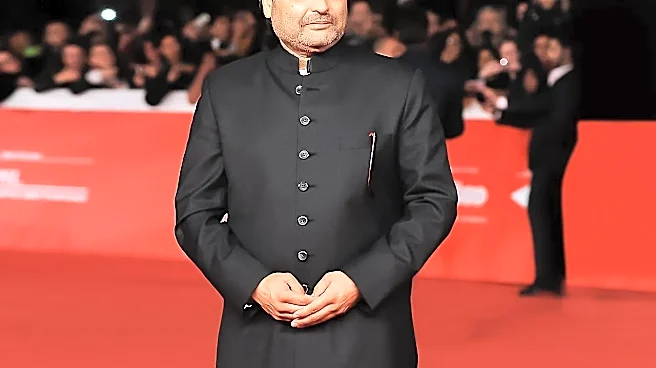
At a launchpad like the Venice Film Festival, this game is played at the highest level. Venice is where Oscar campaigns are born, and the initial critical reaction is paramount. A film that premieres on the Lido to immediate, glowing reviews can ride that wave all the way to the Academy Awards. Studios with contenders often allow "social media reactions"—quick, informal thoughts on platforms like X—to post almost immediately after a screening, followed by full reviews a day or two later. This creates a two-tiered buzz cycle. But festivals themselves also have a say. Venice, for its part, has a policy that mirrors the Berlinale, where embargoes for press screenings lift only when the film's official public premiere begins. This change was made to give critics more time for thoughtful consideration and to preserve the excitement of the red-carpet premiere for the filmmakers and cast.
Good Buzz vs. Bad Buzz Signals
Film critics and savvy movie fans have learned to interpret these signals. An embargo that lifts on a Monday afternoon for a Friday release is generally seen as a positive sign. A studio wouldn't want bad news festering all week. An embargo that lifts late on a Thursday night, however, can be a red flag. This strategy aims to bury potentially negative reviews when most of the East Coast U.S. media market is asleep. While a late embargo doesn't always guarantee a bad film—sometimes a movie's final cut simply isn't ready until the last minute—it often suggests a studio's lack of confidence. The correlation between late-lifting embargoes and poor reviews has become a well-observed phenomenon in film media.
The Critic's Dilemma
For journalists on the ground, the embargo system creates a high-pressure environment. The moment an embargo lifts, there is an intense race to publish first and capture web traffic. This can sometimes lead to more reactive, knee-jerk takes rather than deeply considered analysis, as was the case with the James Bond film Spectre, where critics were seen banging out reviews on laptops in Leicester Square moments after the screening ended. At a sprawling festival like Venice, critics are juggling dozens of films, all with different embargo times. The system forces them to work within a studio's marketing plan, shaping not just when coverage appears, but often the frenzied conditions under which it's produced.