


The Comfort of the Billion-Dollar Formula
First, let’s state the obvious: summer movies are built on formulas for a reason. When a studio sinks $250 million into a film, with another $150 million for marketing, “taking a risk” is a fireable offense. The goal is to create a “four-quadrant” movie—one
that appeals to males, females, those under 25, and those over 25. This risk-aversion leads directly to the familiar beats we see every summer. It’s why so many blockbusters are based on existing intellectual property (IP), from toys and video games to sequels of 40-year-old classics. Familiarity sells tickets, or at least, it’s supposed to. This business model prioritizes a predictable return on an astronomical investment, creating an assembly line for cultural products that feel pre-tested and market-approved. The result is a slate of films that often share a similar DNA: a reluctant hero, a sky-beam, a third-act battle that erases a city, and a post-credit scene teasing the next installment.
The Unpredictable Human Element
Yet, filmmaking is not a perfect science. A movie is not a spreadsheet; it’s a chaotic collaboration between hundreds, sometimes thousands, of people. This is where the weirdness leaks in. An A-list actor, powerful enough to defy notes, might make a bizarre character choice that completely warps a scene. A visionary director, hired for their indie prestige, might try to smuggle in a strange, personal theme that clashes with the popcorn spectacle. This eternal battle between the director's vision and the studio's commercial interests often creates fascinating, if sometimes messy, results. Sometimes studio interference can sand down the interesting edges of a film, but other times it can lead to Frankenstein-like movies, stitched together from competing visions, reshoots, and panicked reactions to test-screening data. These compromises can make a movie feel tonally inconsistent and, well, unpredictable.
When the Algorithm Fails
The greatest source of unpredictability, however, is the audience itself. Hollywood spends billions trying to guess what people want to see, and it frequently gets it wrong. The summer 2026 season was a prime example of this chaos. Films that seemed like surefire hits, such as the live-action remake of "Moana" and the He-Man adaptation "Masters of the Universe," significantly underperformed. These movies followed the formula—big stars, beloved IP, massive budgets—but audiences just didn't show up in the expected numbers. This demonstrates that there's no such thing as a guaranteed hit, and the blockbuster formula is not as foolproof as studios wish. Bad reviews, poor marketing, or a simple feeling of audience fatigue can sink a project that looked perfect on paper.
The Rise of the Unexpected
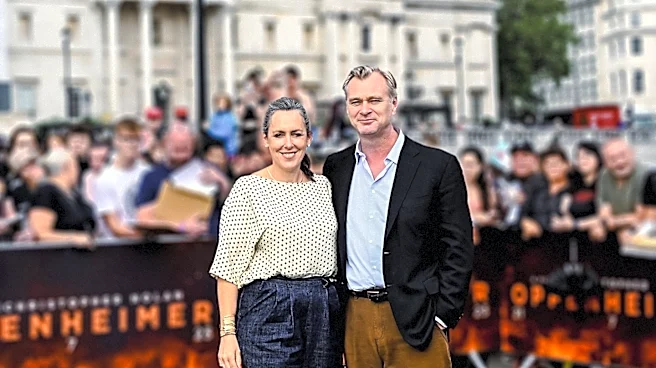
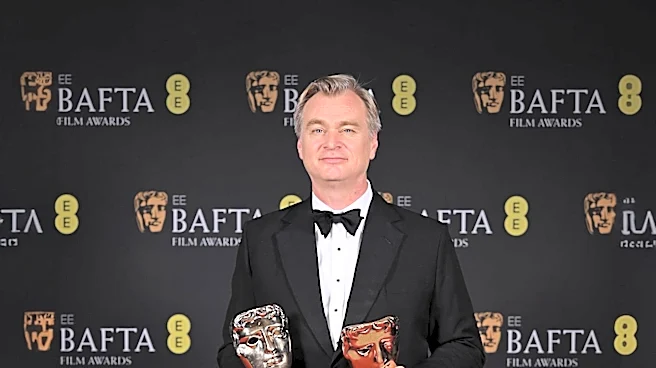
On the flip side of expensive flops are the surprise hits that nobody saw coming. In 2026, low-budget horror films made by YouTubers, like "Backrooms" and "Obsession," ended up out-grossing movies that cost 20 or 30 times as much to produce. These films didn't have big stars or established IP, but they tapped into something authentic that audiences were craving. Their success is a reminder that the most powerful force in Hollywood isn’t a marketing budget; it's genuine word-of-mouth excitement. Even within the studio system, an original idea can break through. A film like Christopher Nolan’s “The Odyssey” became a monster hit in 2026, proving that audiences will still turn out for a big, bold idea from a trusted filmmaker. This unpredictability is, in its own way, what keeps the movie business from becoming completely stagnant.