


Why Ditch the Mirror?
The daily ritual of getting dressed can quickly become an exercise in self-critique. That moment in front of the mirror is often where we second-guess ourselves, focusing on perceived flaws rather than how we feel. Stepping away from this habit is a core
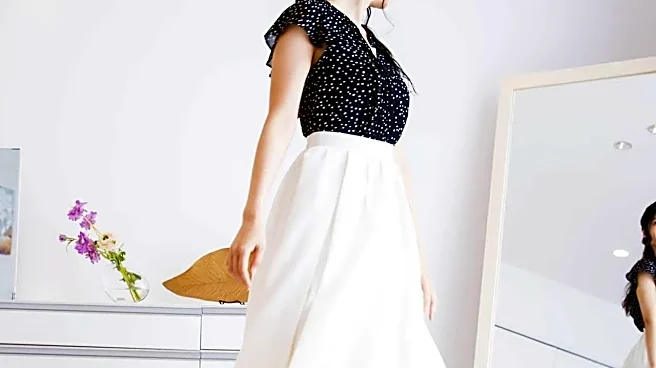
practice of 'body neutrality,' an approach that de-emphasizes appearance and instead focuses on what your body can do and how your clothes feel. The goal isn't to force self-love, but to lower the stakes and reduce the constant analysis. By not looking, you shift the focus from 'How does this make me look?' to 'How does this make me feel?'. You start to trust your own intuition, connecting with the textures, fits, and silhouettes that bring you comfort and joy, rather than those that just meet an external standard of what is 'flattering'. This simple act can be transformative, helping to separate your self-esteem from your reflection.
The Prep Work: Curate Your Closet
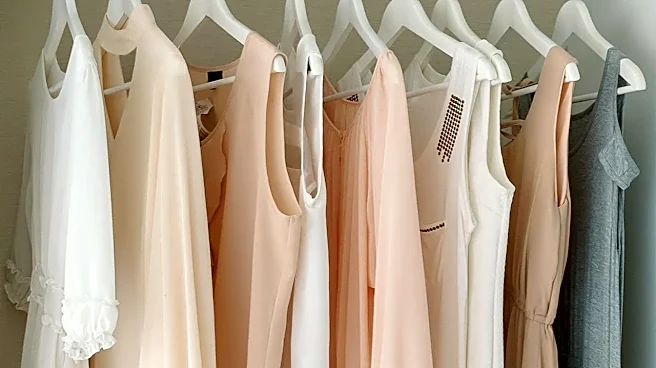
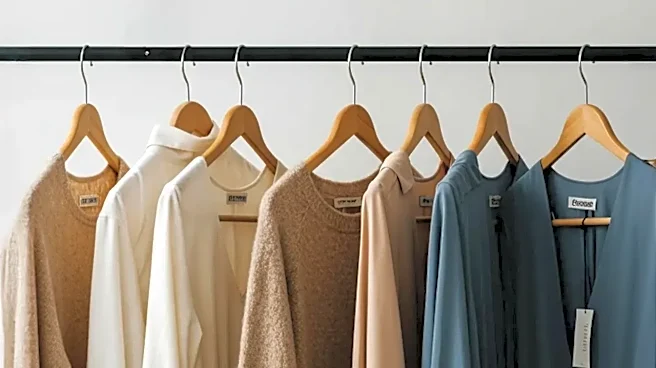
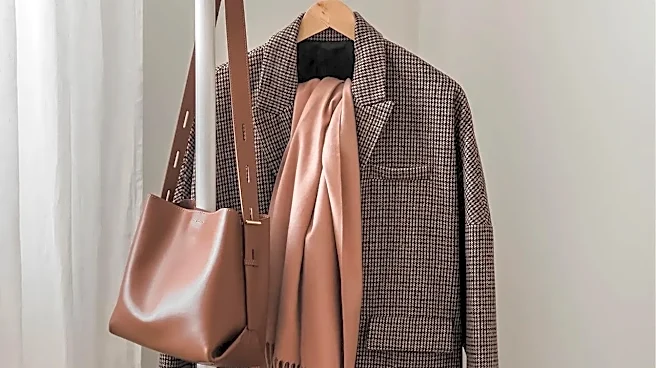
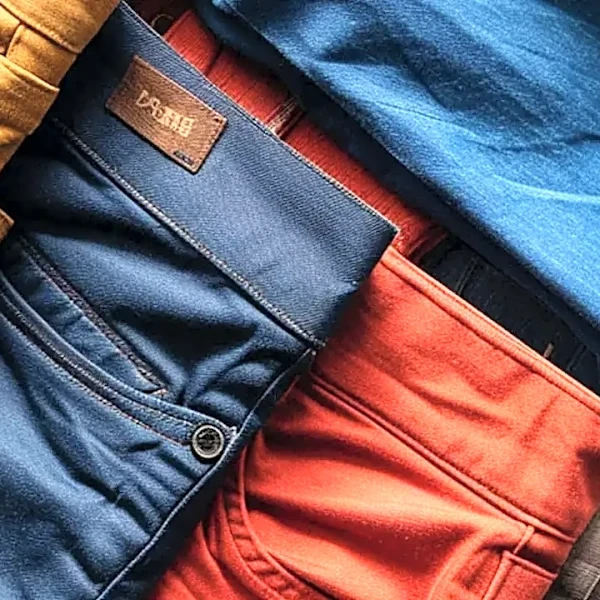
Dressing blind is much easier when your closet is set up for success. This doesn't mean you need a whole new wardrobe, but a little organization goes a long way. Start by auditing what you already own. Identify the pieces you reach for again and again—the ones that feel good and align with your identity. These are your 'ID Essentials.' Consider creating a capsule wardrobe, where a limited number of items are chosen specifically to be versatile and interchangeable. Organize items by category (tops, pants, skirts) and then by color. This makes it easier to mentally assemble an outfit. Get rid of anything that doesn't fit well right now or makes you feel physically uncomfortable; if a waistband is digging in, it's going to distract you all day. The goal is to remove friction, leaving you with a collection of reliable pieces that you know, without looking, are ready to work for you.
Dressing by Touch and Intuition
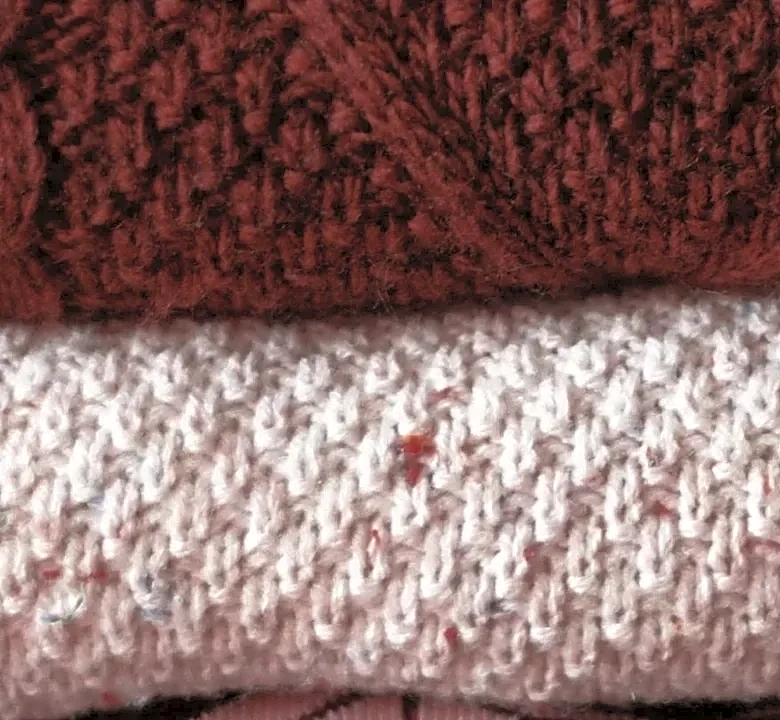
When you're ready, start the process by listening to your mood. Do you need comfort and softness today, or something structured to make you feel powerful? Begin with a single piece that calls to you. Maybe it's a pair of perfectly worn-in jeans or a soft cashmere sweater. From there, build your outfit by focusing on physical sensations. How does the weight of a fabric feel? Does a skirt allow you to move freely? Think about proportion and texture. A chunky knit might feel balanced with sleek leggings; a silk camisole could contrast nicely with a structured blazer. Use styling tricks you already know: a half-tuck or a rolled sleeve can change a silhouette without a mirror's validation. Trust your hands and your memory of how these pieces fit and feel together. The process is about creating a combination that feels authentic to you in that moment.
The Big Reveal and What You'll Learn
Once you're fully dressed—shoes and accessories included—it's time for the reveal. Walk to the mirror and look with curiosity, not criticism. There will be outfits that are surprisingly successful and some that are hilariously disastrous. Both are valuable. When an outfit works, take note of why. You'll start to build a stronger internal sense of your personal style. When it doesn't, don't see it as a failure. Instead, it’s a data point. Maybe the proportions were off, or two textures clashed in a way you didn't expect. This isn't a test with a pass/fail grade; it’s a practice in refining your intuition. The experience teaches you that clothes, ultimately, can be taken off. By letting go of the need for perfection, you gain the freedom to experiment and develop a style that is genuinely your own, independent of anyone else's gaze—including your own.