




An Epic Vision on a Shoestring
When Paul Thomas Anderson set out to make Boogie Nights, he was a wunderkind in his mid-20s with a vision far bigger than his budget. The script, which he’d been developing since he was a teenager, was an ambitious, Altman-esque tapestry of the 1970s
adult film world, following a found family of performers through a decade of decadence and decay. But ambition costs money, and the production was a constant tightrope walk. This wasn't a single, explosive crisis, but a persistent state of high-stakes pressure. Tensions famously flared between the young director and veteran star Burt Reynolds, who reportedly disliked the subject matter and clashed with Anderson’s methods. The real challenge was translating the script’s epic scope to the screen without the resources of a major blockbuster. Every decision had to be both artistically bold and financially pragmatic. This pressure cooker environment forced the crew to get creative, turning limitations into the film's signature style.
The Legendary Opening Shot
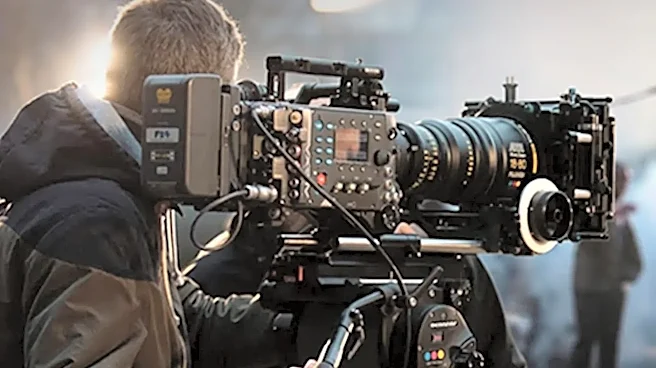
Nothing encapsulates the film's blend of bravado and problem-solving better than its legendary opening sequence. The nearly three-minute Steadicam shot, which introduces the audience to the entire world of the Hot Traxx disco, is a masterclass in cinematic immersion. It begins on a crane, swoops down to street level, follows Jack Horner (Burt Reynolds) and Amber Waves (Julianne Moore) into the club, and weaves through a sea of characters without a single visible cut. But pulling it off was a nightmare. The crew had to choreograph dozens of actors and extras while the camera operator, Andy Shuttleworth, navigated a complex path. According to behind-the-scenes accounts, the shot took eight attempts, with only one take being usable. On one attempt, the crane cables got tangled; on another, an extra bumped into the camera. The only successful take was the one where the massive power cords for the lighting were dragged through the crowd at just the right moment without ruining the shot. The practical effect here wasn’t CGI, but pure, high-wire filmmaking—a feat of planning and luck that brilliantly hid the chaos of its own creation.
The 'Jaws' Theory and a Famous Prosthetic
The other legendary practical effect was, of course, Dirk Diggler’s infamous prosthetic. The character’s prodigious endowment is a running joke and plot point throughout the film, but Anderson made a crucial decision: to treat it like the shark in Jaws. You hear about it constantly, but you don't see it until the very final shot. This choice built anticipation and ensured the prop didn't become a cheap gimmick. The creation itself had its own behind-the-scenes drama. The special effects team initially sculpted a 12-inch version that was deemed comically large, looking like a "weird monster penis." They settled on a more realistic, albeit still impressive, model. Actor Mark Wahlberg fully committed, wearing the device to get genuine, surprised reactions from his castmates. The effect was so memorable that Wahlberg has admitted he still keeps the prosthetic locked away in a safe. It’s a perfect example of a practical effect that not only served the story but created an enduring piece of movie lore.
Turning Limitations into an Aesthetic
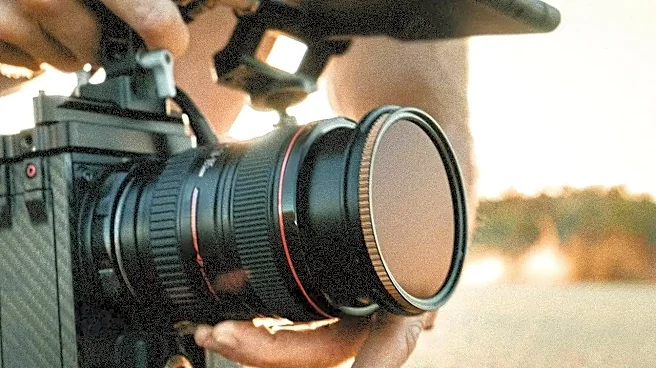
Beyond specific shots and props, the entire aesthetic of Boogie Nights was a practical effect born of necessity. Working with cinematographer Robert Elswit, Anderson made deliberate choices that defined the film's two halves. The 1970s scenes are filmed with a vibrant, restless energy. The camera glides, the colors pop, and the lighting is lush, reflecting the optimism and excess of the era. As the story moves into the grimier, more desperate 1980s, the visual style shifts. The camera becomes shakier, the colors dull, and the lighting grows harsher. These weren’t just stylistic whims; they were choices made using specific lenses and film stocks that fit their budget while also serving the narrative. By embracing their constraints, Anderson and his team didn’t just overcome a production crisis—they created a visual language that made the film's story of rise and fall feel visceral and real.