
More Than Just Defending
First, let’s get the definition right. “Parking the bus” isn’t just playing defensively; it’s an extreme, organized, and deliberate strategy of suffocation. The term was famously coined by manager José
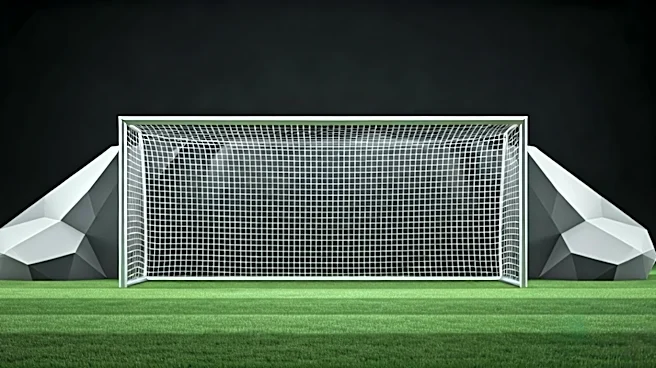
Mourinho after a frustrating 0-0 draw against his Chelsea side in 2004, when he accused the opposition of putting their team bus in front of the goal. Ironically, Mourinho would become the tactic’s most famous and successful practitioner. It involves pulling nearly every player behind the ball, creating two low, compact lines of four or five, and leaving almost no space between them for attackers to operate. The goal is to absorb relentless pressure, frustrate a technically superior opponent, and concede nothing. It’s not disorganized, last-ditch defending; it’s a meticulously drilled system of positional discipline.
The Underdog's Ultimate Weapon
For a team with less talent, possession-based attacking soccer against a powerhouse like Barcelona or Manchester City is a form of suicide. Going toe-to-toe offensively when outmatched is what’s truly naive, not hunkering down. Parking the bus is the great equalizer. It’s a calculated admission that you cannot win the game on your opponent’s terms, so you must change the terms of the game itself. The contest is no longer about who has more creative flair, but who has more concentration, resilience, and collective spirit. It transforms the pitch into a test of will. This is the stuff of classic David vs. Goliath folklore—a smaller, less-equipped force using intelligence and grit to neutralize a giant’s strength. Calling this cowardly is to fundamentally misunderstand the nature of competition; it’s about finding a path, any path, to victory when all conventional wisdom says you have no chance.
A Masterclass in Discipline, Not Fear
Critics see ten men behind the ball and call it negative. Practitioners see it as one of the most mentally demanding ways to play soccer. A successful bus-parking requires every single player to be switched on for 90-plus minutes. One player stepping out of position, one lapse in concentration, one missed tracking run, and the entire structure collapses. Players can’t just stand there; they must shift in unison, communicate constantly, anticipate passing lanes, and win their individual duels—all while resisting the urge to chase the ball and break formation. It’s a symphony of shuffling, pointing, and shouting. This isn't fear; it's a state of hyper-focus. A poorly drilled team trying to park the bus gets torn apart. A team that does it well, like Diego Simeone’s Atlético Madrid, has earned a reputation for being one of the toughest, most disciplined outfits in world soccer.
Case Study: The Stuff of Legend
No argument for parking the bus is stronger than the story of Mourinho’s Inter Milan against Barcelona in the 2010 Champions League semifinal. Facing arguably the greatest club team ever assembled—Pep Guardiola’s tiki-taka machine with Messi, Xavi, and Iniesta—Inter had to protect a 3-1 lead at the Camp Nou. They went down to ten men after just 28 minutes. What followed was a defensive performance for the ages. For over an hour, Inter’s ten men held off an incessant wave of attacks, conceding only a late goal. They lost the battle 1-0 but won the war, advancing to the final they would go on to win. Was it pretty? No. Was it cowardly? Absolutely not. It was a heroic, against-all-odds display of tactical brilliance and unbreakable spirit that is now etched in soccer history. That single performance did more to legitimize the tactic than any textbook could.