



Why Your Skirt Is Staging a Rebellion
A skirt that rides up is usually a symptom of a few key issues, and it's rarely just one thing. The most common cause is friction. When the fabric of your skirt rubs against your skin or tights, the motion of walking pushes it upward. This is especially
true for skirts that are too tight through the hips and thighs; with every step, your legs push the fabric up because it has nowhere else to go. Another major factor is static cling, which is particularly noticeable in dry air. Synthetic fabrics like polyester can generate an electrical charge that makes the skirt stick to your legs, causing it to bunch and climb.
The Lining: Friend or Unwitting Foe?
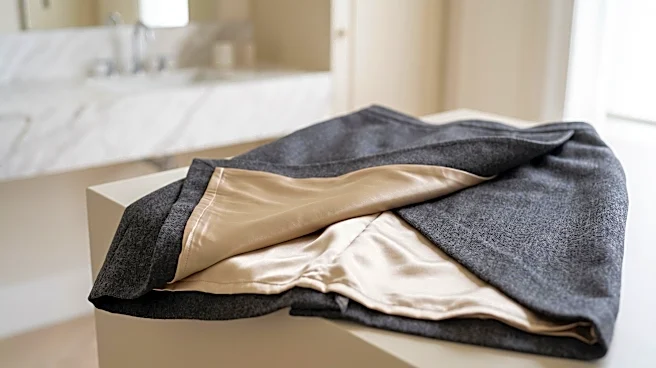
A lining is supposed to help a skirt hang beautifully and prevent clinging, but when it’s not constructed correctly, it becomes the source of the problem. If a skirt's lining is shorter than the outer fabric, it can create a 'ledge' that the outer skirt catches on and rides up. Furthermore, if the lining itself is too tight or doesn't have enough room for movement—for instance, if a back vent is sewn shut in the lining—it will restrict your stride and pull the entire garment upward. The material also matters. A slippery polyester lining against bare skin or nylon tights creates a frictionless surface that encourages the skirt to slide up with every movement.
Quick Fixes for When You're Out and About
When you're already out and your skirt is misbehaving, you need immediate solutions. An anti-static spray is a lifesaver; a quick spritz on the inside of the skirt or on your tights will neutralize the charge that causes clinging. In a pinch, a small amount of hairspray or even body lotion applied to your legs can create a temporary barrier to reduce static and friction. Another tried-and-true method is using double-sided fashion tape. Small strips placed along the inside of the hem can discreetly adhere the skirt to your thighs or to a slip, keeping it securely in place.
The Ultimate Solution: A Simple Slip
The single most effective and reliable solution to a riding-up skirt is wearing a slip. Slips have fallen out of fashion for many, but their function is undeniable. A half-slip, worn from the waist, creates a smooth barrier between your body and the skirt. This solves two problems at once: it stops the friction between the skirt fabric and your skin or tights, and it provides a new surface for the skirt to glide against. For best results, choose a slip made of a smooth, anti_static material like satin, modal, or nylon. Ensure the slip is a few inches shorter than your skirt to remain hidden.
Long-'Term Fixes and Smarter Shopping
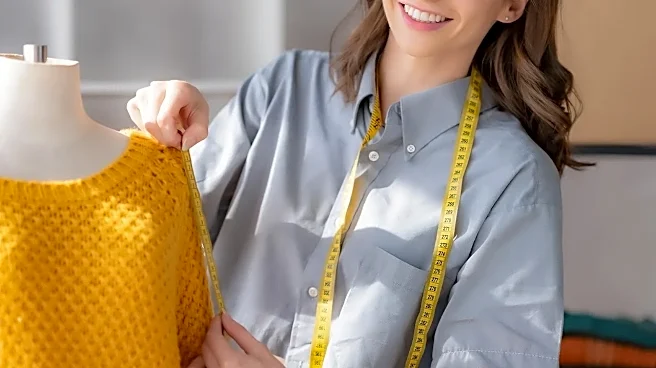
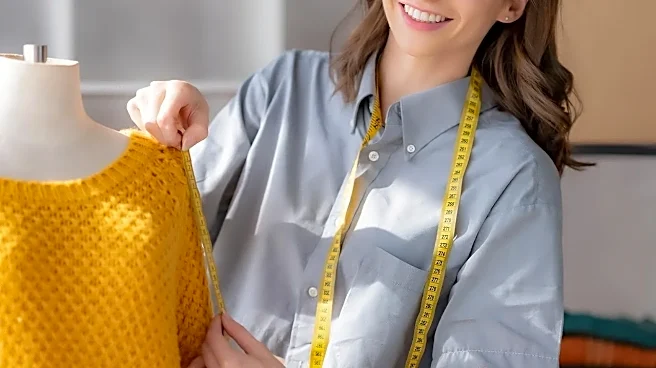
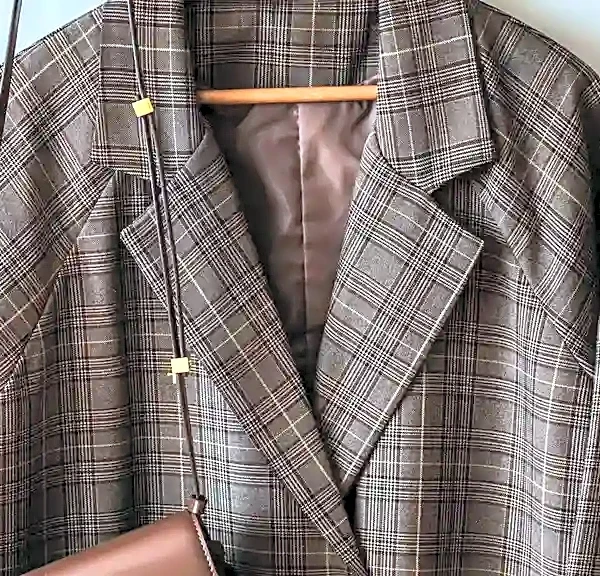
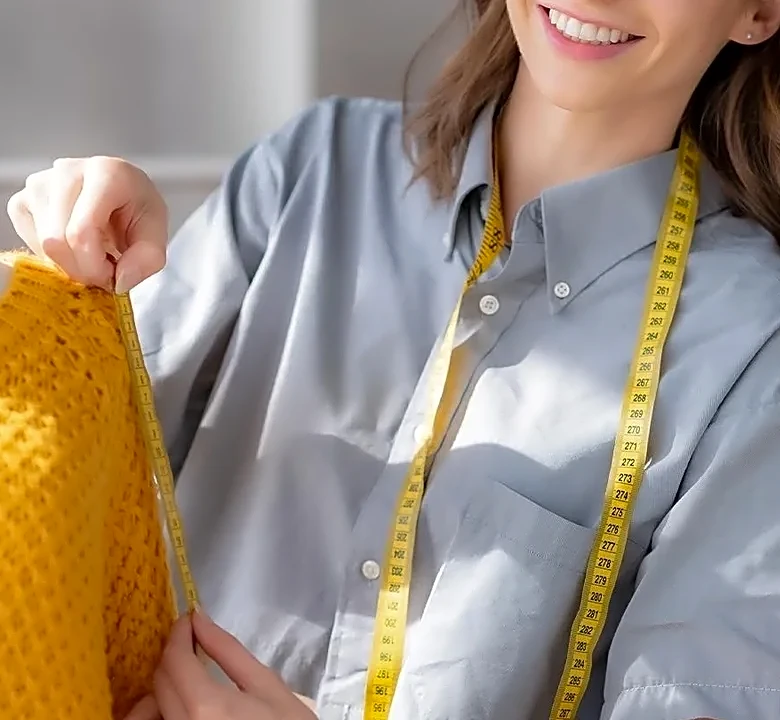
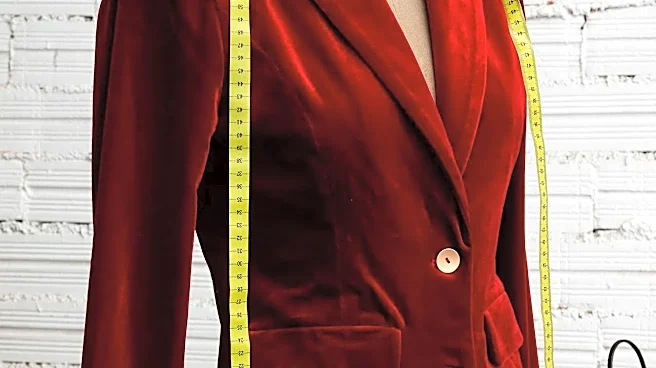
To permanently solve the issue with a beloved skirt, a visit to a tailor is in order. They can assess whether the lining needs to be lengthened, let out, or replaced entirely with a better quality, anti static fabric. Sometimes, the issue is simply that the skirt is too tight in the hips, and a tailor can often release the seams for a better fit. When shopping for new skirts, pay attention to the fabric and construction. Heavier fabrics like wool or structured cotton are less likely to ride up than lightweight synthetics. Check the lining : Is it roomy enough? Is it made from a quality material? An A line cut , which has more room through the hips , is also a safer bet than a tight pencil skirt if riding up is a frequent problem for you.