


The Silent Language of Color
Before a single stitch is sewn, designers make one of their most crucial decisions: the color palette. This choice is about more than just aesthetics; it’s a direct line to our emotions. For decades, fashion has relied on a shared psychological shorthand.
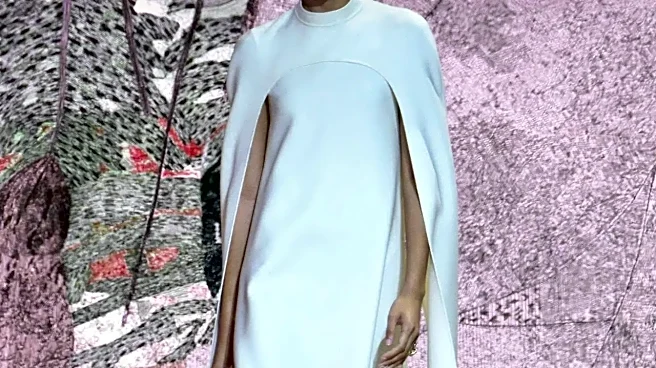
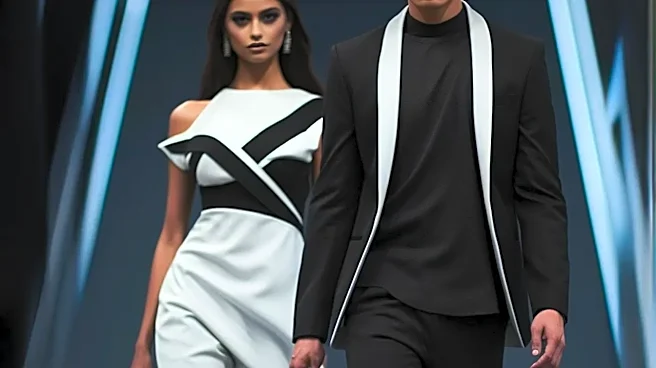
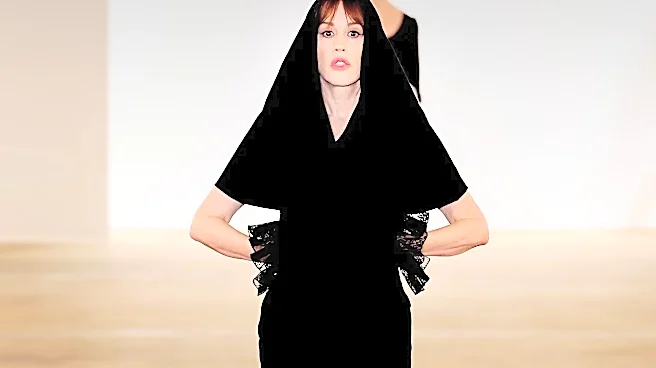
Black communicates sophistication and power. Red signals passion and confidence. Blues feel calm and trustworthy, while white suggests purity and minimalism. These associations are powerful tools, giving designers a foundation for telling a story. A navy blue suit feels professional and reliable, while a flowing white dress evokes a sense of ease and simplicity. It's a language we all subconsciously understand, connecting our feelings to the clothes we see and wear.
Upending Expectations With an Unfamiliar Hue
The real magic happens when designers use this shared language to subvert our expectations. Take a classic, sharply tailored power blazer, a garment we associate with authority and the boardroom. Traditionally rendered in black, navy, or charcoal, its meaning is clear. But what happens when that same silhouette appears in a soft, buttery yellow or a delicate lavender? The shape remains powerful, but the color introduces a new, unexpected narrative. Suddenly, the blazer feels less about corporate dominance and more about creative confidence or approachable leadership. This intentional contrast between form and color is a favorite tool on modern runways, allowing designers to breathe new life into timeless pieces without altering their fundamental structure.
Case Study: The Trench Coat Reimagined
There is perhaps no silhouette more familiar than the classic trench coat. Its beige or khaki color is as iconic as its double-breasted cut and belted waist. But recent seasons have seen this staple reimagined in a spectrum of new shades. A trench in a fiery, attention-grabbing red—a color making a major statement at recent Spring 2027 shows—feels less like a practical piece for rainy weather and more like an audacious statement of intent. The same coat in a deep, moody forest green gains an earthy, poetic quality. When rendered in a luminous, almost electric blue, a shade pegged as a key color for 2027, the trench feels futuristic and dynamic. The silhouette is unchanged, yet its entire personality has shifted, demonstrating that color alone can redirect a garment’s context from classic to contemporary, from practical to provocative.
Color as a Reflection of the Moment
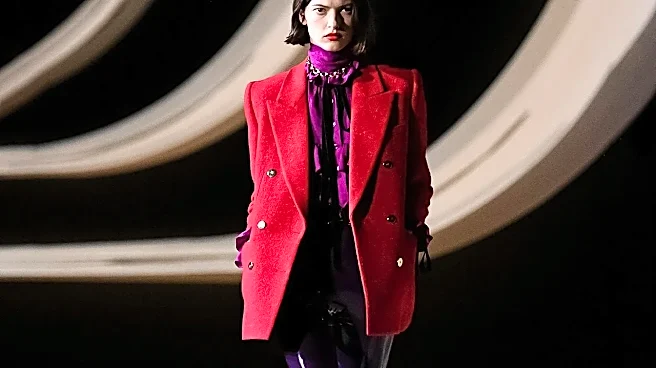
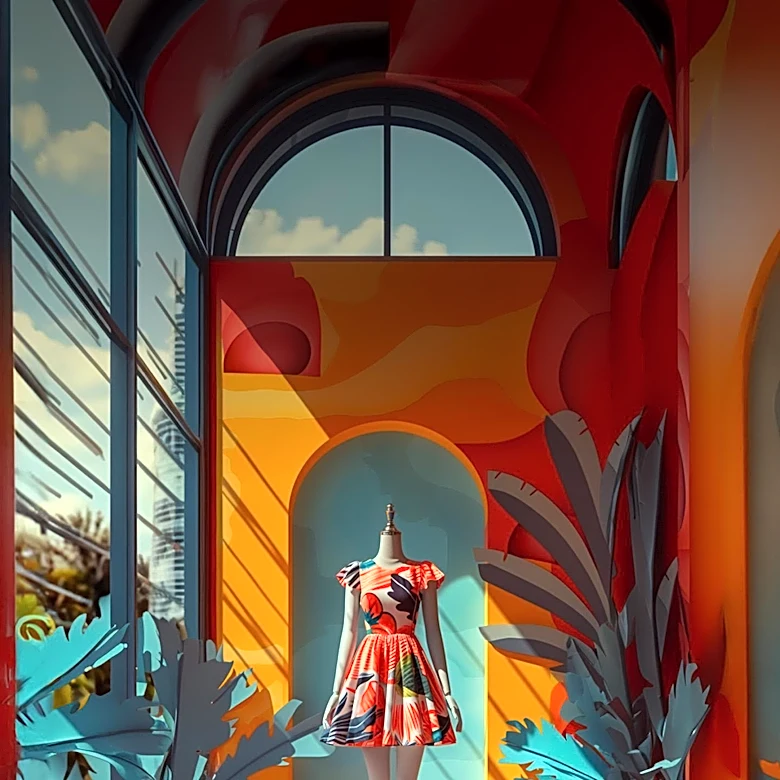
This renewed focus on color isn’t happening in a vacuum. The palettes chosen for the runway often reflect a broader cultural mood. The recent trend toward cheerful, vivid hues and unexpected color combinations for Spring 2027 suggests a collective desire for optimism and joyful expression after seasons dominated by quieter neutrals. Designers are encouraging a move away from strict rules, mixing colors in ways that feel personal and uplifting. The rise of soft pastels can signal a turn toward comfort and gentleness, while bold neons communicate a rebellious energy. By applying these zeitgeist-capturing colors to enduring silhouettes, designers create something that feels both comfortingly familiar and refreshingly new.