





Read the Invitation, Then Between the Lines
The first clue is always the invitation, but it rarely tells the whole story. Look for keywords. 'Garden party' or 'winery tour' suggests a step up from a 'backyard BBQ' or 'beach bonfire.' The time of day is another major signal; an evening event usually
allows for slightly darker colors and a more structured look than a daytime gathering. Also, consider the hosts. Are they known for formal affairs or casual hangouts? A little social reconnaissance goes a long way. When in doubt, it’s always better to be slightly more polished. The goal is to look like you put in effort, not like you've come from a different event entirely.
Fabric Is Your First and Best Filter
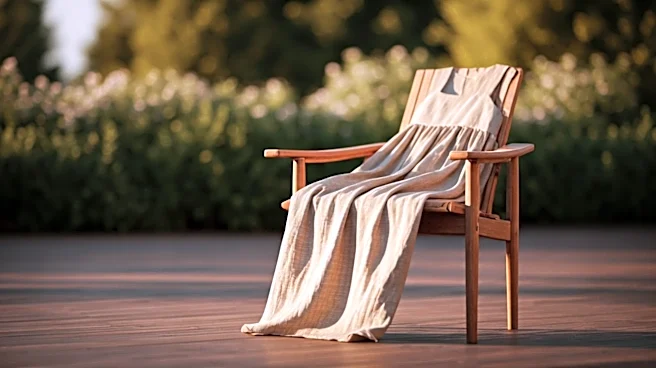
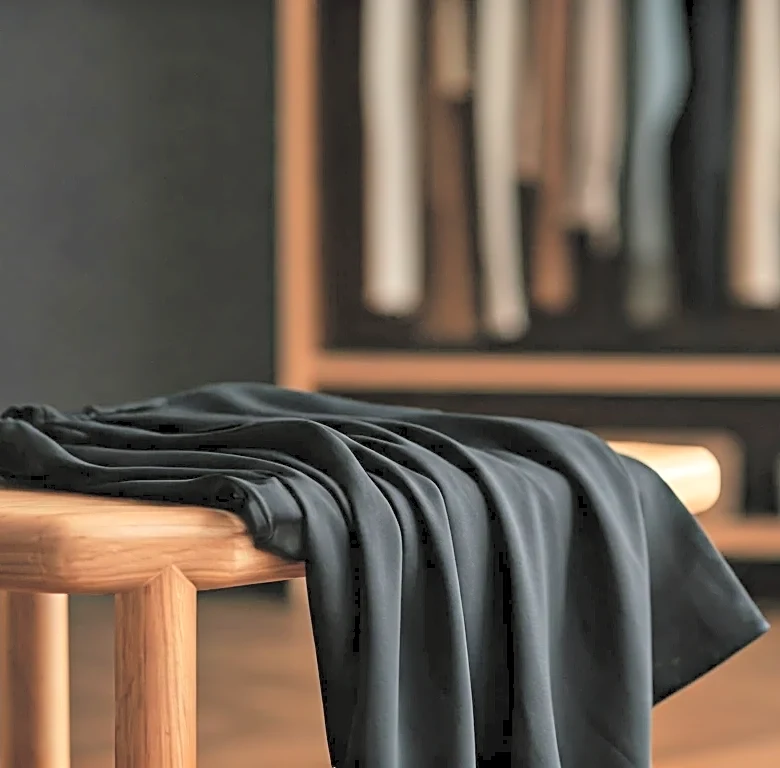
This is the single most important rule for summer dressing. Heavy fabrics are the primary cause of looking and feeling out of place. Your winter wools, heavy twills, and thick denims should be stored away. Instead, build your outdoor event wardrobe around breathable, lightweight materials. Linen is the undisputed king of summer fabrics—it’s airy, comfortable, and looks intentionally relaxed, even when wrinkled. Lightweight cotton, like poplin or chambray, is another excellent choice. Seersucker, with its signature pucker, is a classic American summer fabric designed to keep you cool. These materials telegraph 'summer' and 'ease' before anyone even notices the cut of your clothes. A dark, synthetic-blend polo will always look hotter and more formal than a breezy, light-colored linen shirt.
Master the 'Smart Casual' Spectrum
‘Smart casual’ or ‘dressy casual’ can feel like a trap, but it’s actually an opportunity. The secret is to master the high-low mix. Instead of wearing a full suit, break it up. Try an unstructured blazer—made of linen or cotton—paired with well-fitting chinos or even tailored shorts. This is far more sophisticated than a matching suit and tie. For a more casual event, pair a high-quality, crisp t-shirt or a sharp polo with tailored trousers and clean loafers. The key is to have one piece that feels slightly elevated and another that feels relaxed. Avoid wearing a full set of 'casual' items (e.g., cargo shorts, graphic tee, flip-flops) or a full set of 'formal' items (e.g., suit, tie, dress shoes). The art is in the combination.
Rethink Your Footwear
Shoes can make or break an outdoor summer outfit. Heavy, black leather lace-ups are almost always a mistake on grass, sand, or a sun-drenched patio. They look heavy and out of context. Instead, think lighter. Suede or leather loafers (without socks), boat shoes, and clean, minimalist white leather sneakers are your best friends. They are versatile enough to be paired with shorts, chinos, or lightweight trousers. Espadrilles are another fantastic, stylishly casual option. Unless you are literally on the sand heading to the water, leave the rubber flip-flops at home. A good pair of leather sandals can work for the most casual of events, but loafers or boat shoes provide a more reliable and polished foundation.
Accessorize with Intention, Not Flash
Accessories complete the look, but in summer, less is often more. Your primary accessories are functional: a great pair of sunglasses and maybe a simple, elegant watch with a leather or canvas strap. A heavy, metal-band watch can feel too corporate and get hot in the sun. Choose a belt that complements your shoes; a woven leather or canvas belt in a lighter color is often a better choice than a formal black dress belt. If you’re considering a hat, a classic Panama hat or a simple canvas cap can offer sun protection and a dash of style. The key is to keep it simple. Avoid flashy jewelry, overly bright patterns, or anything that screams for attention. Your goal is understated confidence.