



The Gospel of Spielberg
For millions, the modern alien isn't a theory; it’s a feeling. It’s the soaring orchestral score, the childlike wonder, and the hushed awe of a five-tone musical phrase. This is the world built by Steven Spielberg. Starting with 1977’s *Close Encounters
of the Third Kind* and cemented by 1982’s *E.T. the Extra-Terrestrial*, Spielberg created the definitive pop culture blueprint for extraterrestrial contact. His aliens weren't terrifying invaders or grotesque monsters; they were vehicles for exploring humanity's own capacity for hope, fear, and connection. They were mysterious, powerful, and often benevolent. For the “Spielberg Purist,” this is the emotional canon. An alien story is judged by its craft, its narrative heart, and its ability to inspire wonder. It’s about storytelling, not schematics. The purist doesn't need government confirmation; they have the final scene of *Close Encounters*, a cinematic event so powerful it feels more real than any grainy thermal footage ever could.
The Rise of the UAP Realist
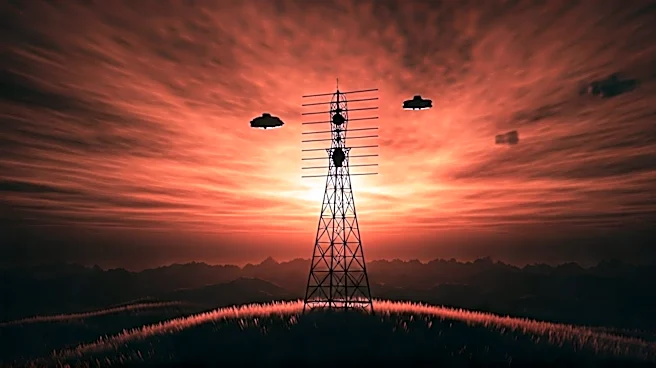
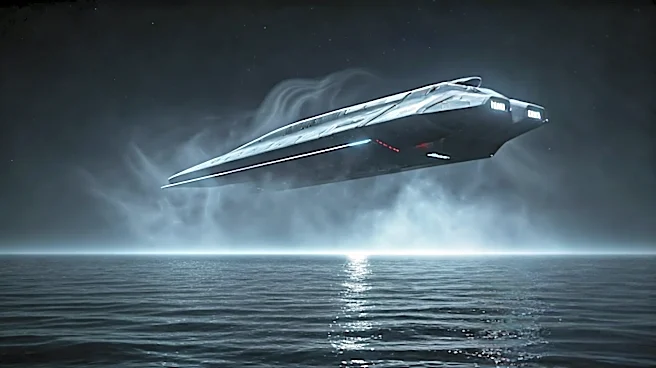
In the other corner are the believers, but they’ve undergone a serious rebranding. They’ve shed the tinfoil-hat caricature and adopted a new, more clinical identity: the UAP Realist. UAP, for Unidentified Aerial Phenomena, is the official government term, and its adoption signals a shift from fringe belief to a matter of public record. This group isn't interested in E.T.’s glowing heartlight; they’re focused on the Pentagon’s 2022 report, congressional hearings with credible whistleblowers like David Grusch, and verified accounts from Navy pilots describing “transmedium” craft that defy known physics. For the UAP Realist, Hollywood is often the enemy of seriousness. They argue that decades of whimsical or terrifying alien movies have conditioned the public to either ridicule the topic or misunderstand its implications. To them, every time a serious discussion about radar data is met with a joke about “phoning home,” a little bit of progress is lost. They crave data, not drama; verification, not villains.
Where Wonder Meets Annoyance
The “battle” plays out in comment sections, on podcasts, and at dinner tables across the country. A new UAP documentary drops, praised by believers for its sober presentation of evidence. But Spielberg Purists find it dry, poorly paced, and lacking a compelling emotional arc. “Why should I care about these blips on a screen?” they might ask. Conversely, when a new blockbuster like *Arrival* or *Nope* reimagines alien contact, film fans celebrate its artistic vision. The UAP crowd, however, might critique its scientific inaccuracies or its failure to engage with the “real” evidence. The friction comes from a fundamental disagreement on purpose. The purist wants a story that reflects the human condition *through* the lens of the alien. The realist wants the facts, believing the implications for humanity are profound enough without a soaring John Williams score. One side’s wonder is the other side’s trivialization.
A Strange and Necessary Symbiosis
Here’s the twist: despite their mutual frustration, these two camps are locked in a symbiotic dance. They need each other more than they’d ever admit. Spielberg’s vision, especially in *Close Encounters*, was itself inspired by the real-life UFO wave of the mid-20th century and projects like the Air Force's Project Blue Book. He took the raw, compelling mystery of the believer’s world and gave it a universally understood emotional language. Without the cultural groundwork laid by these films, it's unlikely the current UAP conversation would have such a mainstream foothold. The films made it safe to be curious. In turn, the steady drip of real-world UAP reports, declassified videos, and whistleblower testimony provides an inexhaustible source of inspiration for Hollywood. It keeps the mystery alive and gives writers and directors fresh angles to explore, grounding their fantastic stories in a kernel of perceived truth. One side provides the mythos, the other provides the marketing.