






The First Draft of History
A film festival premiere is not just a screening; it's the first time a movie meets the world. The initial reaction from the press and public in that room can create a narrative that follows a film for its entire lifespan. A challenging premiere—one met
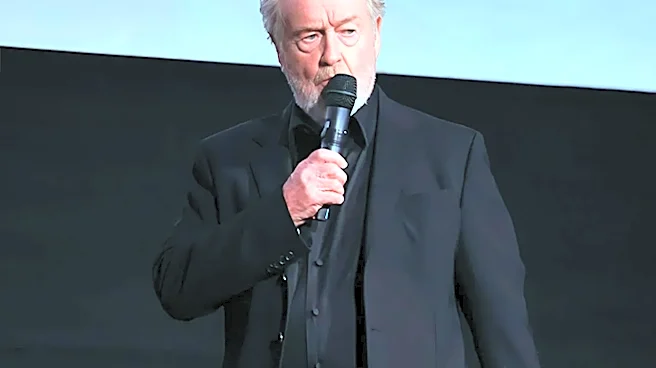
with confusion, lukewarm applause, or even audible disapproval—can be a death sentence before the first review is even published. The post-screening Q&A is the director’s first and best opportunity to perform critical damage control. It’s a chance to immediately guide the conversation. As festival programmers have noted, a great Q&A can clarify a filmmaker's intentions, helping the audience understand complex choices and themes they may have struggled with. By offering context, a director can reframe a potentially negative or confusing reception into a discussion about ambition, challenging art, or provocative ideas.
Putting a Human Face on the Film
When an audience feels disconnected from a film, the Q&A provides a vital bridge. Seeing a director speak passionately about their work reminds viewers that the project is the result of years of effort and personal investment. Sharing the emotional journey of the creative process can forge a connection that the film itself failed to make. It humanizes the art, transforming a two-hour product into a personal statement. This is especially true for difficult films. A director who can articulately and vulnerably explain why they made certain jarring choices or tackled a controversial subject can win over skeptics. They aren't just defending a movie; they're sharing their vision. It's a platform that reminds the audience—and the critics—that art is made by people, and that access to the artist is what makes the festival experience unique.
The All-Important Business Pitch
Beyond the court of public opinion, a festival like TIFF is a high-stakes marketplace. In the audience are distributors, sales agents, and producers deciding whether to acquire a film and invest millions in its future. A tepid reaction can make them skittish. The Q&A becomes an impromptu business pitch. A director who appears confident, articulate, and in command of their vision, even in the face of a tough room, sends a powerful message: they can be a strong partner in marketing and championing the film. They demonstrate that they can handle tough questions from the press down the line. Conversely, a director who is defensive, flustered, or dismissive can confirm a buyer's worst fears, suggesting the film and its creator will be difficult to support. A strong Q&A performance can rescue a film’s distribution prospects from the brink.
When the Q&A Goes Wrong
Of course, the Q&A is a double-edged sword. While it offers a chance for redemption, it also presents an opportunity to make a bad situation worse. A filmmaker who is unprepared for tough questions or becomes combative can dig their film's grave a little deeper. Awkward, rambling answers or an unwillingness to engage with legitimate criticism can alienate an audience that was on the fence. Film history is littered with tales of disastrous Q&As where a director's attitude soured the room and cemented a film's negative buzz. Handling audience interactions, which can range from insightful questions to rambling statements, requires grace and patience. A poorly handled Q&A can do more than just fail to win people over; it can actively create bad word-of-mouth that spreads like wildfire in the social media age.