





More Than Just a Bigger Screen
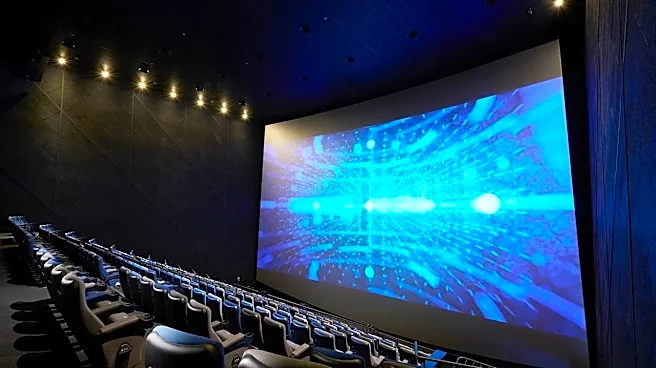
In the age of streaming, convincing people to leave their couch requires an 'event.' For theater chains, that event is the Premium Large Format (PLF) screen. In the wake of the pandemic, audiences have shown they are willing to pay more, but they expect
more in return. That's where PLFs come in. These aren't just slightly larger screens; they represent a crucial, high-margin revenue stream that is redefining the cinema business. While overall ticket sales have yet to consistently reach pre-pandemic highs, the slice of the pie from premium screens is growing fast. In 2025, PLF screens accounted for over 16% of domestic ticket sales, generating roughly twice the revenue of a standard screen. With average premium ticket prices hovering around $20, these auditoriums have become the financial lifeblood for exhibitors. They are a direct response to a changing audience that treats moviegoing as a destination event rather than a casual pastime.
The Main Event: IMAX vs. Dolby
At the heart of this battle are the two heavyweight brands: IMAX and Dolby Cinema. IMAX is the established titan, a name synonymous with enormous screens and epic scale. It’s a complete system, from proprietary 70mm film cameras to massive, specially-designed auditoriums. With over 1,700 screens globally, it holds the largest market share at 38.5%. Its brand is so powerful that it can feel like a requirement for any serious blockbuster release, with studios and directors leveraging the format as a mark of quality. On the other side is Dolby Cinema, the challenger focused on superior picture and sound technology. Instead of film, Dolby uses advanced laser projection systems that deliver unparalleled brightness, contrast, and color, paired with its industry-leading Dolby Atmos immersive audio. While its market share is smaller at around 22.8%, it has established itself as the connoisseur's choice, a premium experience built on technological perfection rather than just screen size. This dynamic creates a fierce competition for the summer's biggest films, with studios making exclusivity deals that can shape a blockbuster's entire release strategy.
The In-House Challengers
It’s not just a two-horse race. Major theater chains, tired of paying licensing fees and sharing revenue with IMAX and Dolby, have entered the fray with their own proprietary PLF brands. You’ve likely seen them: Cinemark has XD, Regal has RPX, and AMC has Prime, among others. These "house brands" offer a similar promise—a bigger screen, better sound, and plusher seats—but give the theater chain full control over the branding and, more importantly, the profits. While they may lack the global brand recognition of an IMAX, they offer a more affordable and flexible way for exhibitors to upgrade their auditoriums and capture a piece of the premium-paying audience. Chains like AMC are even experimenting with more niche formats like the 270-degree panoramic ScreenX or the motion-and-effects-based 4DX to further differentiate their offerings and justify the upcharge.
The Auteur's Influence
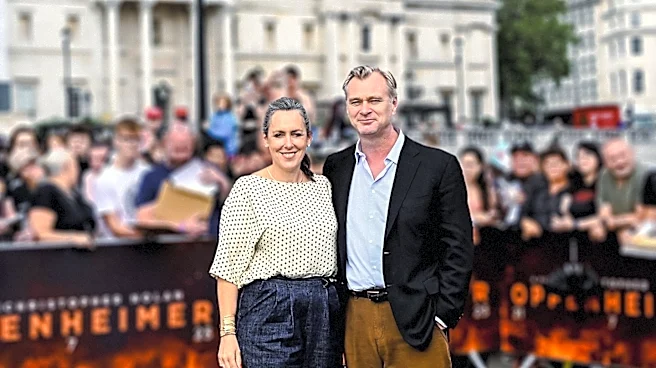
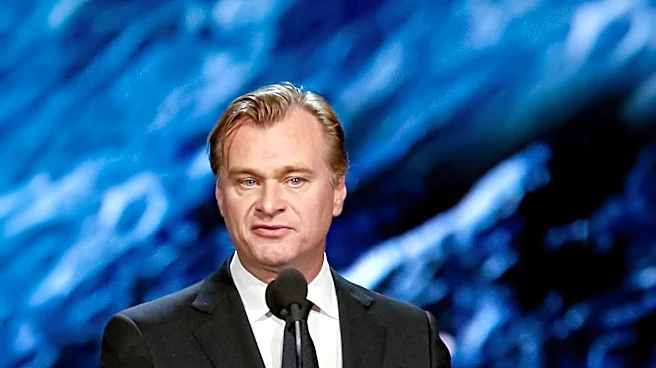
This battle isn’t just being fought in corporate boardrooms; it's also being shaped by some of Hollywood's most powerful directors. No one has championed the premium format more than Christopher Nolan, whose zealous commitment to shooting with IMAX 70mm film cameras has turned his releases into cinematic pilgrimages. Films like his 2026 epic, The Odyssey, are not just movies; they are arguments for the supremacy of the theatrical experience. When a director of Nolan's stature insists their film must be seen on a specific type of screen, it creates enormous demand and reinforces the format's prestige. This symbiotic relationship between auteur filmmakers and PLF brands has become a powerful marketing tool, transforming a technical specification into a must-have cultural event and driving audiences to seek out the biggest, most immersive screen possible.