

Deconstructing the Power Suit
For decades, structured dressing has been the uniform of authority. Think of the classic power suit: defined shoulders, a nipped-in waist, and a silhouette that means business. This style of dressing is built on tailoring—the art of using seams, darts,
and firm fabrics to create a specific shape. The result is clothing that feels polished and intentional. However, for many, this very structure can be intimidating. It can feel too formal for today's more relaxed workplaces, too restrictive for a life in motion, or simply disconnected from a more personal, expressive style. The crispness that reads as powerful in a boardroom can feel stiff and unapproachable in other contexts. The challenge, then, is to harness the polish of structure without being confined by its rigidity.
Defining Soft Volume
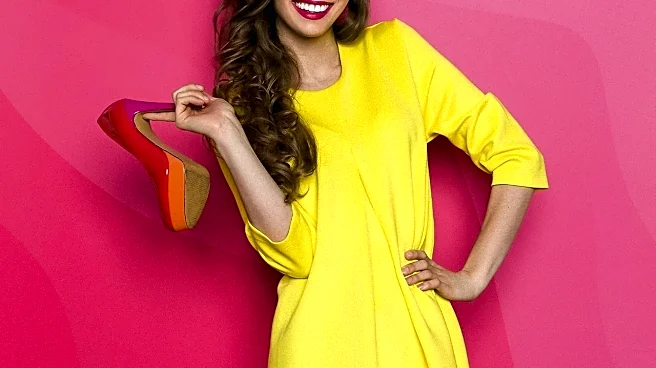
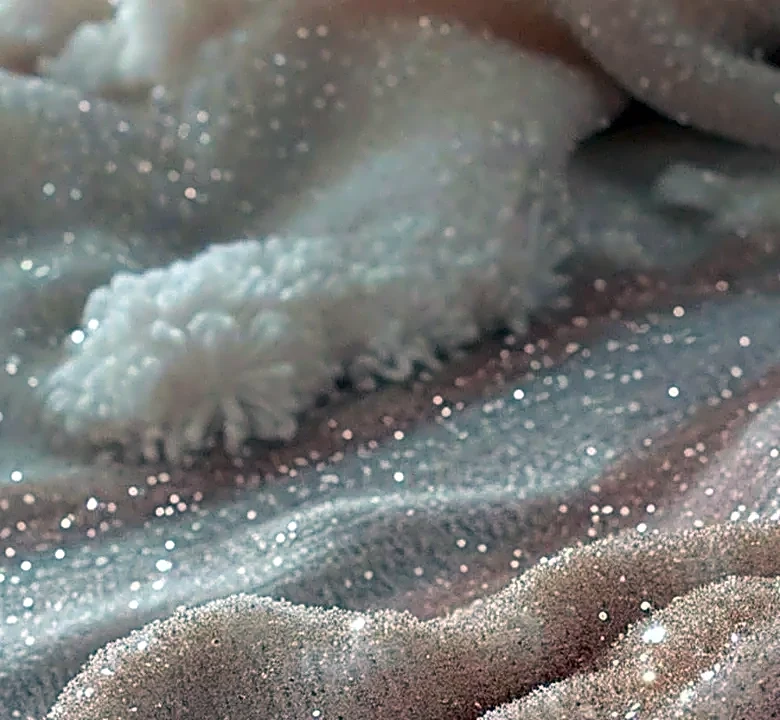
Enter the concept of "soft volume." This isn't about shapeless or oversized clothing; it's about incorporating pieces that have movement, drape, and a more relaxed silhouette. Think of fabrics like silk, crepe, and lightweight knits that flow rather than stand stiff. Silhouettes might include wide-leg trousers that cascade from the hip, a pleated midi skirt that billows as you walk, or a blouse with generous, billowy sleeves. Unlike the precise lines of structured tailoring, soft volume is about creating shape through movement and airiness. It’s the gentle curve of a draped neckline, the gentle sway of a full skirt, or the relaxed fall of an unlined, knit blazer. This softness introduces a yin element to the more yang energy of traditional tailoring, creating an immediate sense of ease.
The Art of Contrast
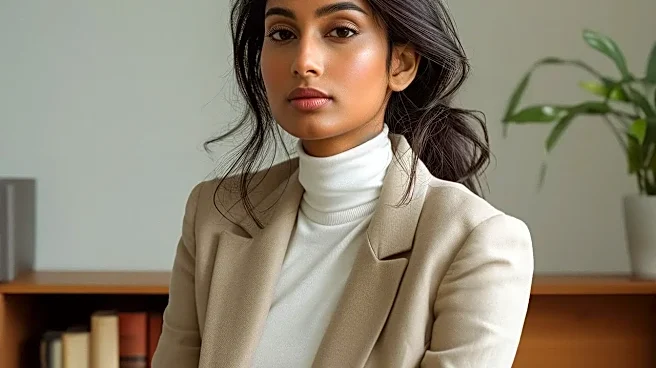
The magic happens when you bring these two seemingly opposite concepts together. The principle is simple: balance. When you pair a structured piece with a voluminous one, each element highlights the other. A sharply tailored blazer suddenly feels less corporate and more chic when worn over a flowing maxi dress. Crisp, high-waisted trousers are transformed when paired not with a stiff button-down, but with a soft, silky camisole or a fine-gauge knit. This juxtaposition creates a dynamic and modern silhouette that feels both powerful and approachable. It’s a visual conversation between hard and soft, control and flow. By letting one piece provide the structure, you allow the other to bring the personality and comfort, striking a perfect balance that feels intentional, not accidental.
How to Make It Work for You
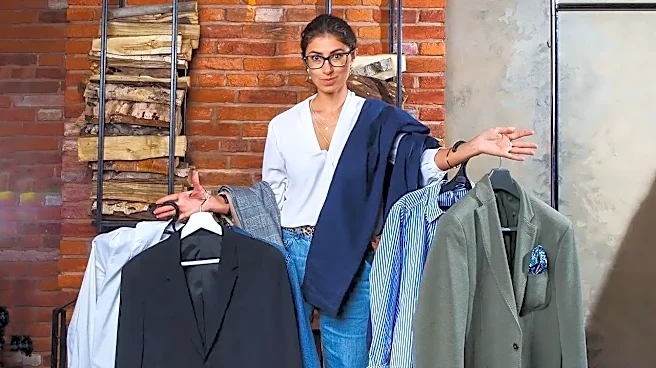
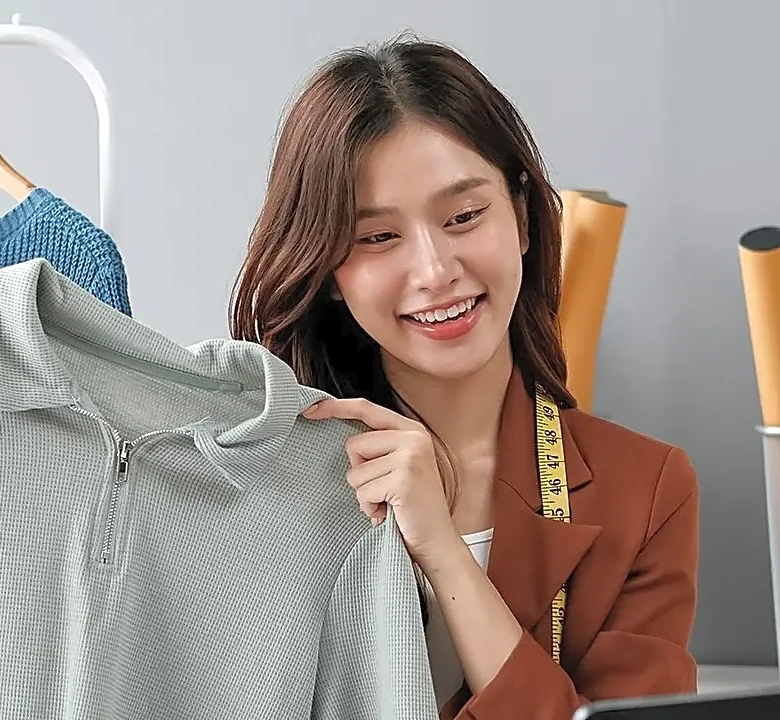
Integrating soft volume isn't about a complete wardrobe overhaul; it's about strategic pairings. Start by identifying the most structured pieces in your closet, likely your blazers and tailored pants. Then, experiment with softening them up. Instead of wearing a matching suit, break the pieces apart. Try your blazer with dark-wash jeans and a simple t-shirt for a classic smart-casual look. Pair your tailored trousers with a relaxed sweater or a romantic blouse with ruffled details. Another simple trick is to play with texture. A velvet blazer or cashmere sweater immediately softens the impression of a structured bottom. Even small adjustments, like rolling up the sleeves of your blazer to reveal a little wrist, can signal a more relaxed attitude and make the entire outfit feel less formal.