



Chapter 1: The Miracle of 2002
Every great story needs a stunning opening chapter. For Senegal, it was the 2002 FIFA World Cup. As tournament debutants, they were given virtually no chance in their opening match against the reigning world and European champions: France, their former colonial ruler. What happened next became football legend. A scrappy, determined Senegal stunned the world with a 1-0 victory. It wasn’t just an upset; it was a seismic cultural event. Led by a core of French-league players like El Hadji Diouf and Papa Bouba Diop, the team played with a joyous, fearless energy that captured global attention. They danced after scoring, played with flair, and fought for every ball. That squad, captained by a fiercely focused midfielder named Aliou Cissé, went all the way
to the quarterfinals, matching the best-ever run for an African team. That tournament didn't just put Senegal on the soccer map; it created the foundational myth for every team that followed.
Chapter 2: The Captain Becomes the Coach
The man at the heart of Senegal’s modern identity is the same man who led them on the field in 2002: Aliou Cissé. After a 16-year absence from the World Cup, it was Cissé, now the head coach, who brought them back in 2018 and again in 2022. He is the bridge between the golden generation and the current one. His presence on the sideline is a constant reminder of the standard set two decades ago. Cissé is more than a tactician; he's a disciplinarian and a father figure who demands defensive solidity and collective effort. While the 2002 team was known for its freewheeling attack, Cissé’s teams are built on a foundation of organization and grit. He successfully guided the nation to its first-ever Africa Cup of Nations title in 2021, cementing his legendary status. His evolution from player to coach symbolizes the maturation of Senegalese football itself—from exhilarating underdogs to a continental powerhouse with expectations of success.
Chapter 3: The Humble Superstar
You can't talk about modern Senegal without talking about Sadio Mané. While many nations have a star player, few have one who so perfectly embodies the national spirit. Mané is a global superstar, a Champions League and Premier League winner who has reached the pinnacle of the sport. Yet his identity is rooted in humility and a deep connection to his home. He is famously dedicated to philanthropy in his home village of Bambali, funding schools and hospitals. On the pitch, he is relentless, combining world-class skill with a ferocious work rate. He isn’t a flashy, ego-driven star; he’s a leader who elevates everyone around him. When he scored the winning penalty to secure Senegal's first AFCON title, it was the culmination of a national dream, delivered by its most beloved son. His presence gives the team a cutting edge and a quiet confidence that they can compete with anyone.
Chapter 4: The Lions of Teranga
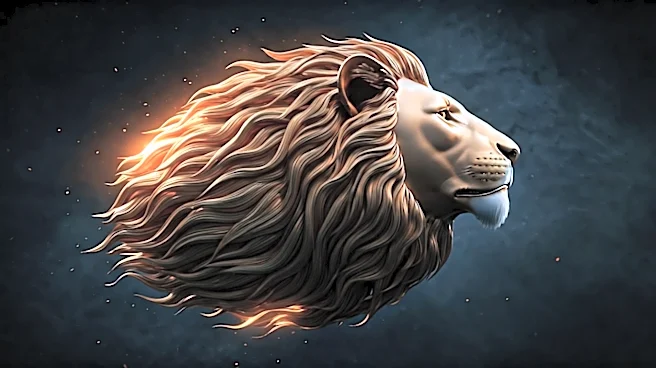
The team’s nickname, the Lions of Teranga, is not just a cool moniker. It’s a cultural statement. The lion (“Gainde” in Wolof) is a symbol of courage and strength. But “Teranga” is a uniquely Senegalese concept that loosely translates to hospitality, but encompasses warmth, respect, and generosity of spirit. The combination is powerful: Senegal aims to be a fierce, formidable opponent on the field (the Lion) while representing a culture of grace and warmth off it (Teranga). This duality defines their identity. They play a physical, athletic style of football, but it’s rarely cynical. They compete with pride, but also with a sense of representing a welcoming nation. This philosophy prevents the team from being defined solely by aggression; instead, their strength is portrayed as a noble, dignified power, earning respect from opponents and fans alike.
Chapter 5: The 12th Gainde
Finally, no portrait of Senegalese football is complete without its fans. Known as the “12th Gainde” (the 12th Lion), Senegal’s supporters are a spectacle in themselves. At any World Cup, the sections of the stadium filled with Senegalese fans are an explosion of color, sound, and movement. Dressed in vibrant green, yellow, and red, they bring a constant rhythm of drumming, singing, and choreographed dancing that often lasts the entire 90 minutes, regardless of the score. This isn’t just cheering; it’s a cultural performance and a spiritual offering of support. The unwavering, joyous energy provides a tangible lift for the players on the field. While other fan groups might be known for their intimidating chants, the 12th Gainde is known for its infectious positivity. They create a carnival atmosphere that embodies the joy and passion at the core of the nation’s footballing soul.