




Beyond the Obvious Checks
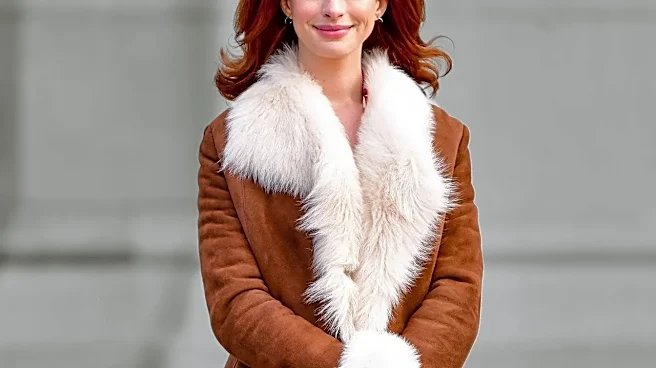
When you're considering a shearling coat, you probably have a mental checklist. Is it genuine sheepskin? You part the wool to make sure it grows from a single hide, not a fabric backing. Is the wool soft and dense? You run your hand through it, checking
for bald patches or excessive shedding. Is the suede or leather exterior supple, not stiff or papery? These are all excellent and necessary quality checks. They separate the genuinely good from the obviously bad. Most online reviews and shoppers stop here, concluding that if these boxes are ticked, the coat is a winner. But the real difference between a coat that’s merely good and one that’s built to last for decades lies in a place few think to look: the seams.
The Secret Is in the Seams
The hidden detail that separates truly high-end shearling from the rest is the seam construction. In many standard-quality coats, the panels of sheepskin are joined with a simple butted seam, where two edges are placed together and stitched with an overlocking thread. This method is fast and efficient. From the outside, it looks fine. On the inside, however, you'll see a bulky, fuzzy line of stitching where the wool from both panels meets. It’s not a sign of a bad coat, but it is a sign of a less refined one. The elite-tier construction technique to look for is the “taped” or “welted” seam. In this method, the seam is stitched and then covered with a thin strip of leather or durable fabric tape. This process is far more labor-intensive and requires a higher degree of skill.
Why This Detail Changes Everything
A taped seam isn't just an aesthetic choice; it dramatically improves the coat's structure, durability, and comfort. Firstly, it creates a stronger, more resilient join between panels, reducing the risk of stretching or tearing at stress points over years of wear. Secondly, it produces a flatter, less bulky seam. This makes the entire garment drape more elegantly and feel less cumbersome, allowing for a more tailored and refined silhouette. A coat with bulky internal seams will never fit as cleanly. Finally, it protects the raw edges of the hide from curling, fraying, or degrading over time. This meticulous finishing touch is a hallmark of artisans who are building a garment to be an heirloom, not just a seasonal piece of fashion. It’s a quiet promise of longevity and superior craftsmanship.
How to Spot the Difference
Finding this detail is your new secret weapon when shopping. Ignore the outside of the coat for a moment and turn your attention to the interior. Don't just glance at the lining; look closely at where the major panels of the coat are joined together, like along the sides of the torso or down the sleeves. If you see a thick, fuzzy ridge of exposed wool and heavy thread, that's a standard overlocked seam. It’s perfectly functional. But if you see a clean, flat line covered by a neat strip of leather or fabric, you've found a taped seam. Run your finger over it; it will feel smooth and flat compared to the bump of an overlocked seam. Check inside the pockets, too, as sometimes constructors use simpler methods in less visible areas. Finding taped seams throughout is a definitive sign that you're holding a top-quality piece.