
First Off, What Exactly Is Americana?
Before we dive in, let’s get our terms straight. Think of "Americana" not as a single genre, but as a big, welcoming tent. The Americana Music Association defines it as a blend of country, folk, blues, soul, bluegrass, gospel, and rock. It's a catch-all
for roots-oriented music that values authenticity, storytelling, and craftsmanship over polished, commercial production. It’s the home for artists who don’t quite fit the rigid boxes of modern country or pure folk. So when the blues enters this space, it’s not just visiting; it’s becoming part of a musical melting pot.
The Sound: From Gritty Blues Bar to Acoustic Cafe
The most immediate difference is the sound itself. Traditional blues, especially from urban centers like Chicago, often relies on electric amplification. Think of Muddy Waters and the raw power of an electric guitar. The Americana lens often filters this through a more acoustic, stripped-down aesthetic. While electric instruments are still used, the production favors a warmer, more organic feel. The instrumentation might lean more on acoustic guitars, mandolins, fiddles, and upright bass. The result is a version of the blues that feels less like a raucous juke joint and more like an intimate, confessional performance on a historic stage like Nashville's Ryman Auditorium. The emphasis shifts from raw power to nuanced texture.
The Storytelling: Universal Woes Over Historical Weight
Blues music was born from the specific, harrowing experience of African Americans in the post-Reconstruction South. It was a music of survival, expressing the pain and resilience of a community facing immense hardship. While Americana artists deeply respect this history, the context of their performance often shifts the narrative focus. In the Americana framework, the specific historical weight of a song like “Cross Road Blues” might be softened, its themes of desperation and struggle re-cast as more universal human experiences: heartbreak, being at a crossroads in life, or wrestling with personal demons. It becomes less about a specific cultural and historical struggle and more about a timeless, personal one that a broader, often whiter, audience can more easily connect with.
The Performance: A Focus on Songwriting
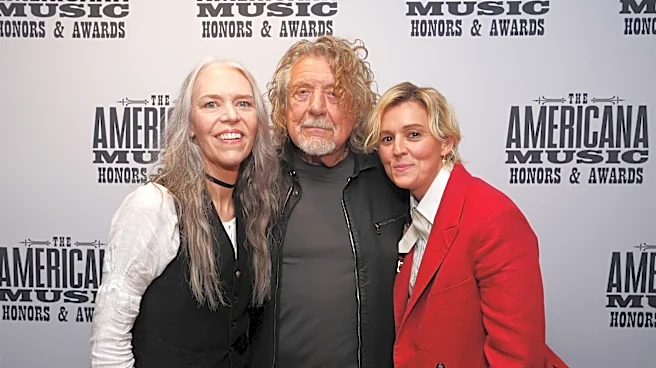
The blues has always been a performer's medium, often built on improvisation and raw, spontaneous emotion. There's a call-and-response pattern, a feeling that the song is happening right now. Americana, by contrast, places a heavy premium on the craft of songwriting. When a blues standard is performed at the Americana Awards, the arrangement often feels more deliberate and composed. The focus is on interpreting the song as a revered piece of writing, much like one might approach a classic folk ballad by Woody Guthrie or Bob Dylan. Artists like Robert Plant or Brandi Carlile, both celebrated by the Americana community, are masters of this kind of reinterpretation, honoring the source while fitting it into a modern, songwriter-centric context.
The Gatekeepers: An Institutional Stamp of Approval
Ultimately, the Americana Honors & Awards itself is a powerful filter. By honoring artists like the Blind Boys of Alabama or featuring tributes to pioneers like the Rev. Gary Davis, the Americana Music Association is making a statement. It's actively incorporating the blues into its tapestry, but on its own terms. The artists who get the spotlight are often those who bridge the gap successfully—artists like The War and Treaty, who bring fiery soul and blues into the Americana tent, or Fantastic Negrito, whose interpretation of blues is contemporary and genre-bending. The awards show celebrates the branches of the blues tree that have grown in the direction of folk, soul, and roots-rock, shaping how a new generation understands this foundational American art form.