




The Walker and The Watcher
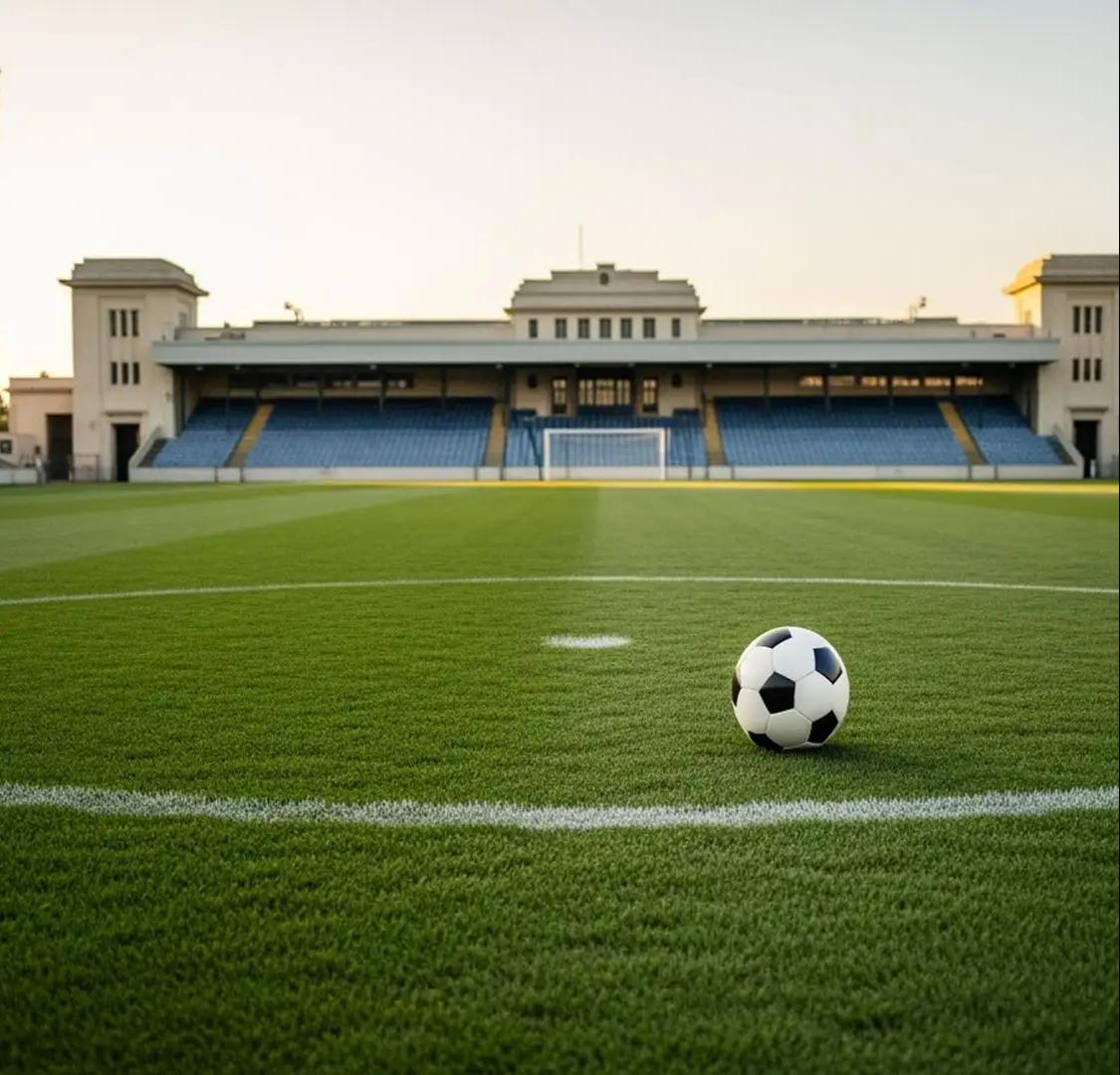
Forget the 120 minutes of team-based tactics that came before. The shootout boils the world's most popular sport down to a primal, one-on-one confrontation. On one side is the kicker, making the lonely 40-yard walk from the center circle to the penalty spot. This is the loneliest moment in sports. The weight of millions of fans, teammates, and an entire nation’s hopes settles on their shoulders. Their brain is a battlefield. The conscious mind screams, “Don’t miss!” while the athletic mind tries to recall thousands of hours of muscle memory. Psychologists call this ‘paralysis by analysis.’ The simple act of kicking a ball becomes a complex cognitive puzzle, and any hesitation can be fatal. On the other side is the goalkeeper, the loneliest person
on the field. For them, the shootout is a paradox: they are expected to fail. The odds are monumentally stacked against them. From 12 yards away, a well-struck shot gives a keeper less than half a second to react. It's physically impossible to wait, see, and then dive. They have to guess. They are not trying to *save* the ball so much as *be* where the ball is going. Their job is to play mind games, to look big, to dance on the line, and to plant a seed of doubt in the kicker’s mind. For the goalie, a save is a moment of heroism; for the kicker, a miss is a lifetime of regret.
A Loaded Coin Toss
We often call it a lottery, a coin flip to decide a champion. But the statistics tell a more nuanced story. It's less a fair coin and more a slightly loaded one. Across major tournaments, kickers convert roughly 75% of the time. The pressure is almost entirely on the person striking the ball. The real statistical quirk, however, lies in the order. Studies have consistently shown that the team kicking first wins around 60% of shootouts. This phenomenon, known as a 'first-mover advantage,' is believed to be psychological. Scoring the first goal puts immediate, scoreboard pressure on the next kicker. Every successful conversion by the first team forces the second team to score just to stay level. A single miss by the second-kicking team can feel like a death know.
This statistical reality has led to rule changes. In some competitions, officials have experimented with an “ABBA” system (where teams alternate taking two penalties in a row after the first) to mitigate this advantage, though the traditional ABAB format remains the standard for now. It’s a tacit admission that the shootout, in its purest form, isn’t perfectly fair.
The Agony of the Manager
For the manager on the sideline, the shootout is a form of torture. Their ability to influence the game is over. All they can do is make one last, agonizing series of decisions. First, they must find five players not just with the technical skill, but with the mental fortitude to volunteer. This is harder than it sounds. Some stars crumble under the pressure, while some unheralded defenders possess nerves of steel.
Then comes the order. Do you put your best penalty taker first to set a confident tone? Or do you save them for the fifth spot, the potential glory kick? What about your goalkeeper—do they have a history of saving penalties from a particular player? The manager pulls out a small notepad, scribbling a list that can define their career. They are making an educated guess based on training ground performance, body language, and pure gut instinct. It’s a desperate attempt to impose order on a fundamentally chaotic event.
Heroes, Goats, and Immortality
More than any other event in sports, the penalty shootout is a narrative machine. It creates heroes and goats in a matter of seconds. There is no middle ground. Think of Italy’s Roberto Baggio in the 1994 World Cup Final, one of the greatest players of his generation, standing with his hands on his hips after skying the decisive kick over the bar. His moment of failure became an iconic image of sporting heartbreak. Contrast that with Brandi Chastain in the 1999 Women’s World Cup Final, whose successful kick and iconic celebration became a defining moment for women’s sports in America.
These moments are seared into the collective memory of fans. A player can have a perfect game for 120 minutes, but if they miss their kick, they risk being remembered for that single failure. Conversely, a substitute who does nothing all game can step up, score, and become a national hero overnight. This is the brutal, binary nature of the shootout: it doesn't care about your past performance. It only cares about what you do in that one, isolated moment of extreme pressure.