






Welcome to the Super-Sized Game
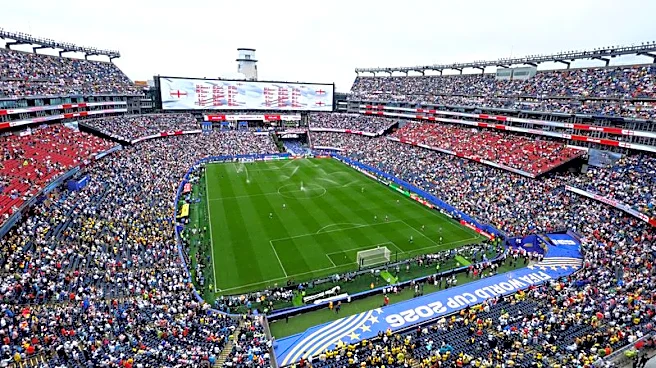
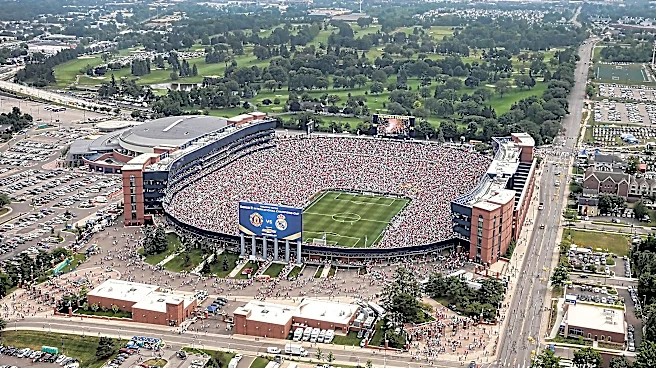
Forget the cozy, 20,000-seat soccer-specific stadiums that defined the rise of Major League Soccer. The 2026 World Cup is going big—NFL big. Games will be played in the cathedrals of American football: AT&T Stadium in Dallas, MetLife Stadium in New Jersey,
SoFi Stadium in Los Angeles. These are not just fields; they are billion-dollar entertainment palaces with seating for 70,000, 80,000, even 100,000 fans. For a generation of American soccer fans accustomed to either watching European games on TV or attending more intimate MLS matches, the sheer scale of the World Cup environment will be a shock to the system. This isn't just about more seats; it’s about a fundamental shift in atmosphere. The tournament will treat soccer with the same grand-scale pageantry usually reserved for the Super Bowl, instantly elevating the sport's perceived importance in the American cultural landscape. After experiencing a World Cup semifinal with 90,000 screaming fans, will a regular-season match ever feel the same?
The Great Grass Mandate
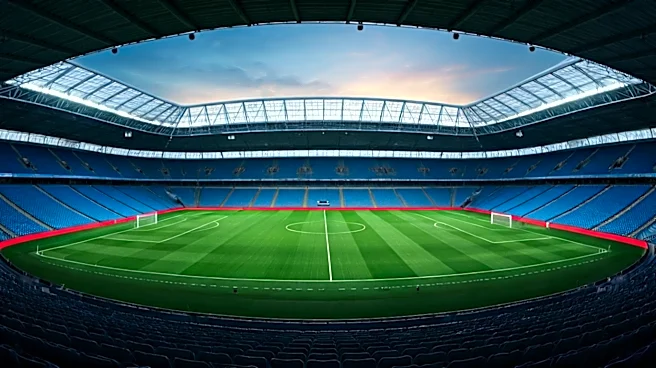
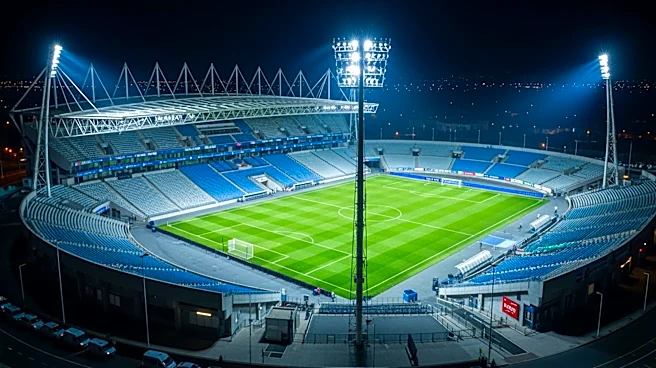
Here’s a detail that says everything: nearly all of the U.S. venues are built for American football and use artificial turf. FIFA, however, mandates pristine, natural grass pitches for the World Cup. This has set off a multimillion-dollar logistical challenge for host cities, which must tear up their synthetic fields and install elite-level natural grass for just a few weeks of soccer. Dallas's AT&T Stadium, for example, is spending a fortune to develop a system to grow grass outside and bring it in for the tournament. This isn't just a technicality; it's a statement. For years, American soccer has tolerated subpar playing surfaces. The World Cup’s unyielding standard for quality will put a national spotlight on the difference a real pitch makes—for player safety, for the speed of the game, for the roll of the ball. Fans will see, up close, what the global standard looks like. It may create a new, less-forgiving expectation for field quality across all levels of soccer in the United States long after the tournament ends.
From Gameday to All-Day Experience
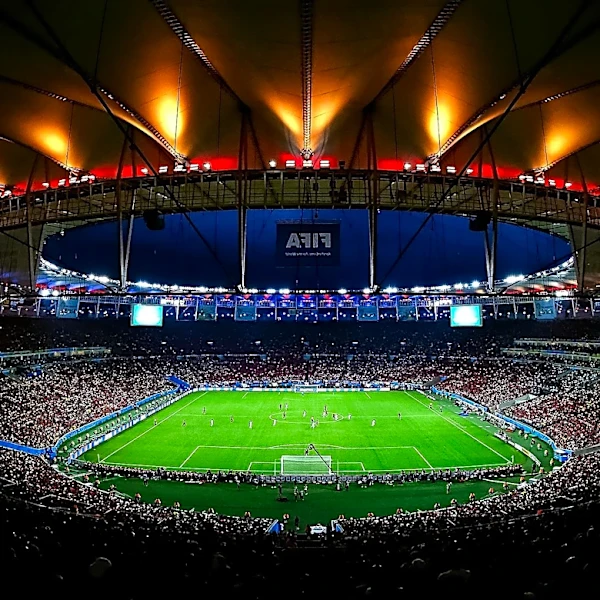
Modern NFL stadiums are designed to be more than just venues; they are all-day entertainment destinations. They are surrounded by sprawling plazas, integrated with high-end retail and dining, and wired with jaw-dropping tech, from colossal video boards to comprehensive 5G coverage. The 2026 World Cup will leverage this infrastructure to the fullest. The gameday experience won't start at the gate; it will start miles away, with massive, city-sponsored fan fests, and continue inside with a level of production value rarely seen in soccer. This Americanized approach—treating the match as the centerpiece of a larger entertainment festival—contrasts sharply with the more traditional, community-focused European model. For fans, it means the event is no longer just 90 minutes of sport, but a full day of immersion. This could permanently raise the bar for what fans expect from a live soccer event, demanding more than just a seat and a view of the action.
A Truly National Footprint
The 1994 World Cup was concentrated in a few major markets. The 2026 edition, however, will be a truly coast-to-coast affair, with games in 11 U.S. cities, from Seattle to Miami and Boston to the Bay Area. This geographic spread is a testament to how much the sport has grown in the past three decades. It's no longer a niche interest confined to specific communities; it has a genuine, nationwide following. By bringing the world's biggest sporting event to regions across the country, the tournament will solidify soccer's status as a major American sport. It will create local touchpoints for millions, allowing them to feel like part of a national sporting moment. This widespread exposure will not only create a new generation of fans but also reinforce the idea that soccer isn't just something happening 'over there'—it's happening right here, in our cities and stadiums, on a scale that's impossible to ignore.