




The Allure of Texture
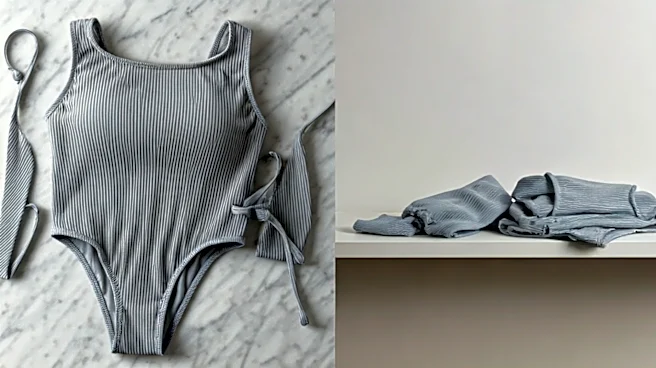
At its core, the appeal of ribbed fabric in a luxury context is simple: texture equals interest. In a sea of flat, single-color spandex, a ribbed or crinkled surface immediately looks more considered and expensive. It catches the light differently, adds
physical depth, and provides a tactile experience that feels premium. High-end brands like Hunza G, Solid & Striped, and L*Space have built entire collections around this principle. They use custom-developed knits—often a seamless, ultra-stretchy 'crinkle' fabric—that hug the body in a way that feels both supportive and uniquely chic. When you’re paying a premium, you’re not just buying a silhouette; you’re buying a specific feel and a fabric that telegraphs quality without needing a loud logo. The ribbing itself acts as the status symbol.
The 'Pretty Woman' Effect
You can’t talk about ribbed fabric’s upscale appeal without mentioning its pop culture pedigree. The most iconic example is the cut-out dress worn by Julia Roberts in *Pretty Woman*. That dress, originally designed by Hunza in the '80s, became a cultural touchstone. When the brand relaunched as Hunza G, it wisely leaned into this legacy, reissuing the design and cementing its crinkle-knit fabric as a piece of fashion history. This single moment gave ribbed textures a timeless, aspirational quality. It wasn’t just a passing trend; it was connected to a fantasy of transformation and glamour. This nostalgia provides a powerful marketing narrative that justifies a higher price point and makes the wearer feel like they are buying into a piece of that story.
The Democratic Power of the Rib
So why is it also a staple of affordable, mass-market brands? The answer lies in the fabric's commercial advantages. A simple ribbed knit is relatively inexpensive to manufacture at scale. But its real superpower is stretch. Ribbed fabrics are exceptionally forgiving, stretching to accommodate a wider range of body shapes and sizes within a single garment. For a mass retailer like Aerie or Old Navy, this is a massive benefit. It simplifies the supply chain—fewer distinct sizes (or 'one size fits most' models) mean less inventory risk and lower production costs. That stretch also translates to a more comfortable and less restrictive fit for the customer, making it a reliable best-seller. The vertical lines of the rib can create a visually elongating effect, adding to its reputation as a 'flattering' option for everyone.
A Uniquely Forgiving Fit
Beyond manufacturing logistics, the fabric’s forgiving nature has resonated with the broader cultural shift toward body positivity and comfort. Traditional swimwear can feel rigid and unforgiving, highlighting every perceived flaw. Ribbed swimwear, by contrast, tends to move with the body. Its texture can help smooth and conceal, while its inherent stretch offers support without feeling constricting. This has made it a go-to for customers who are tired of the impossibly precise fits of older bikini styles. Brands have leaned into this, marketing ribbed suits as the comfortable, effortless choice you can live in all summer. It's a fabric that meets a genuine consumer need for swimwear that feels as good as it looks, making it a commercial workhorse regardless of price.