




The New Frontier of Skincare
At its core, scalp exfoliation is the process of removing dead skin cells, product buildup, and excess oil from the skin on your head. Think of it as a clarifying facial, but for your scalp. For a long time, haircare was almost entirely focused on the strands
themselves—making them shinier, smoother, or more voluminous. The scalp was an afterthought, addressed only when problems like dandruff became too obvious to ignore. The new perspective is simple but revolutionary: your scalp is skin. It has pores, produces oil, and sheds dead cells just like the skin on your face. And just as a clean, exfoliated face provides a better canvas for makeup, a clean and balanced scalp provides the optimal environment for healthy hair to grow.
The Rise of 'Skinification'
This shift in thinking is part of a broader trend called the "skinification" of hair. The term describes the application of skincare principles and ingredients to hair and scalp care. Consumers, now fluent in the language of hyaluronic acid, peptides, and chemical exfoliants, are demanding the same sophisticated, science-backed ingredients for their scalp. Brands have responded by launching scalp serums, masks, and, most notably, exfoliants that feature familiar skincare heroes. The logic is that healthy-looking hair doesn't start with a styling spray; it starts with a healthy follicle, and the follicle's health is directly tied to the condition of the scalp. This scalp-first approach marks a significant move away from cosmetic quick fixes and toward long-term foundational health.
Physical Scrubs vs. Chemical Peels
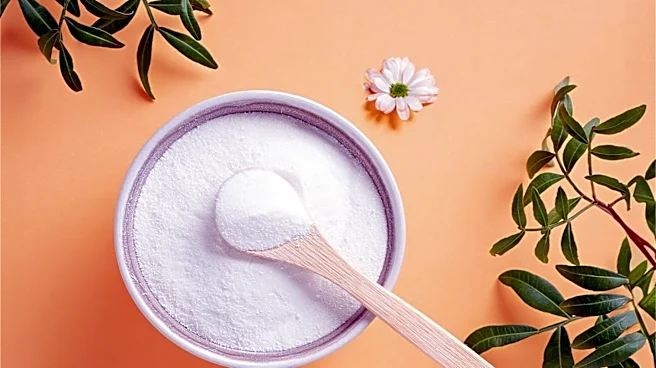
Much like facial products, scalp exfoliants fall into two main categories: physical and chemical. Physical exfoliants use granular ingredients like sugar or sea salt to manually scrub away buildup and dead skin. They provide immediate textural feedback and can be very effective at lifting away stubborn product residue. Chemical exfoliants, on the other hand, use acids—such as salicylic acid (a BHA) or glycolic and lactic acids (AHAs)—to dissolve the bonds holding dead skin cells to the surface. These are often found in serums or pre-shampoo treatments and can be a gentler option, especially for sensitive scalps, as they work without friction. Many modern products combine both methods for a comprehensive treatment.
The Benefits and the Backlash
Advocates and dermatologists point to several key benefits of regular, gentle exfoliation. It can help manage oil production, reduce flakiness and dandruff, remove the buildup that leaves hair looking dull and weighed down, and improve blood circulation through massage. By keeping hair follicles clear, it creates a healthier environment for hair growth. However, the trend is not without its critics or risks. Some trichologists warn that aggressive physical scrubs can cause micro-abrasions, trigger inflammation, or strip the scalp's protective barrier, potentially leading to dryness or a rebound in oil production. The consensus is that moderation is key. Most experts recommend exfoliating no more than once or twice a week, paying close attention to how your scalp responds.