



A Flashback to the Free-Spirited '70s
To understand the ring’s appeal, you have to rewind to the late 1960s and 1970s. This was an era of liberation, where fashion shattered old rules. As hemlines rose, so did the desire for swimwear that felt bold, modern, and a little bit rebellious. The
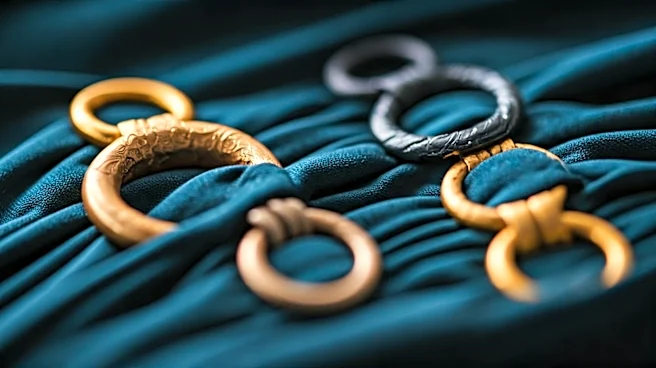
O-ring, a simple piece of hardware, became the perfect vehicle for this new attitude. It was borrowed from the hardware store and the world of accessories, bringing an industrial-chic, yet glamorous, edge to the beach. Designers like Rudi Gernreich, famous for his boundary-pushing monokini, embraced hardware to create architectural shapes and daring cutouts that were impossible with fabric alone. The ring wasn’t just decoration; it was a statement of freedom, connecting pieces of fabric in a way that celebrated the body.
The Intersection of Form and Function
Unlike a simple ruffle or print, ring hardware serves a structural purpose. It’s a design tool that allows for creative tension and suspension, enabling the strategic cutouts that have come to define modern swimwear. A ring can join a halter strap to a bikini cup, create a keyhole detail on a one-piece, or anchor the hip straps on a high-cut bottom. This functionality is its secret weapon. It allows designers to play with negative space, revealing a hint of skin in an unexpected place. The result is a silhouette that often feels more sophisticated and thoughtfully constructed than a standard string bikini. The hardware provides a focal point, drawing the eye and sculpting the garment around the body in a way that can be incredibly flattering, offering support and structure where it’s needed most.
The Versatile Chameleon of Swimwear
Part of the reason for the ring’s persistence is its incredible versatility. It can be minimalist and discreet—a tiny gold hoop connecting two triangles of a bikini top—or it can be a bold, oversized statement piece at the center of a monokini. Materials range from classic gold and silver metal to natural-looking bamboo, chunky acetate, and colorful resin. This adaptability allows the trend to reinvent itself season after season. A tortoiseshell ring gives off a retro, earthy vibe. A sleek silver ring feels futuristic and clean. A vibrant, colorful ring feels playful and summery. This chameleon-like quality means the hardware can be integrated into almost any aesthetic, from bohemian-luxe to minimalist-modern, ensuring it never feels stale or dated. It’s a detail that complements the fabric rather than competing with it.
The Modern Instagram-Ready Revival
So why is it having such a major moment *right now*? The current revival is fueled by a perfect storm of influences. First, there's the ongoing obsession with '70s and Y2K fashion, where bold hardware and statement details reigned supreme. Brands like Cult Gaia, with their architectural and artful designs, have made the ring a signature element, elevating it from a simple connector to a piece of wearable sculpture. Second, in the age of Instagram, swimwear needs to be visually interesting. A simple ring detail adds a graphic, eye-catching element that pops in photos. It transforms a simple swimsuit into a full-fledged 'look.' It suggests intention and style, signaling that this isn't just a functional garment for swimming but a key part of a curated vacation wardrobe. It’s a small detail that delivers a big impact, making it a favorite for influencers and vacationers alike.