



The Backlash to Digital Dominance
For the last two decades, computer-generated imagery has been the undisputed king of Hollywood magic. It built worlds, summoned monsters, and de-aged legends. But somewhere along the way, the magic started to feel manufactured. Audiences and critics alike
have noted a certain slick, un-grounded quality to films that rely too heavily on digital-only creations. The term 'CGI fatigue' has entered the mainstream lexicon, describing a weariness with visuals that, despite their technical perfection, often lack the weight, texture, and satisfying imperfection of reality. It's the uncanny valley of action sequences, where nothing feels like it has consequence because nothing feels tangible. This sentiment has created an opening for an old-school approach to make a powerful comeback.
TIFF's Analog Auteurs
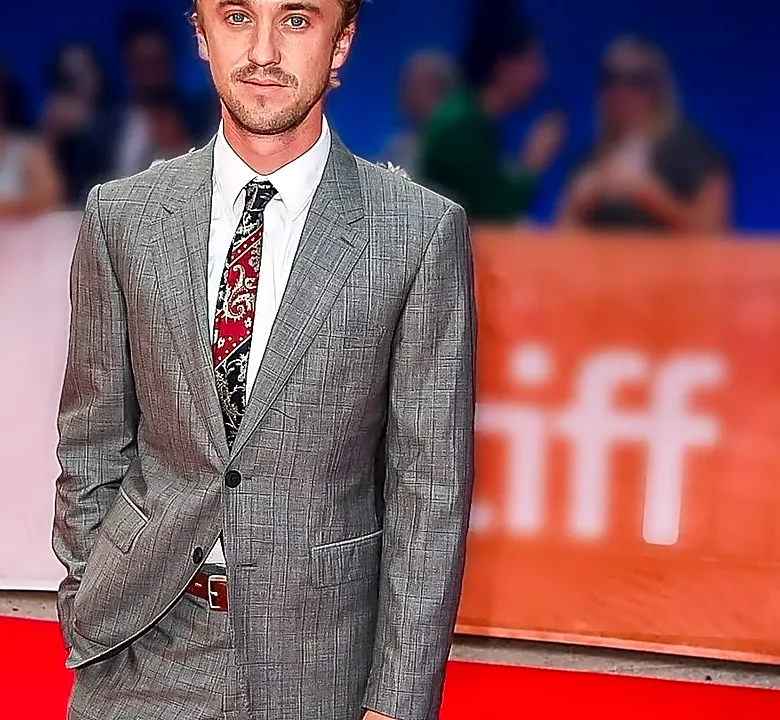
Enter the 2026 Toronto International Film Festival, which is showcasing a slate of films where artistry is expressed through tangible craft. While buzz is circulating around many star-studded premieres, a more specific trend is emerging from the festival's genre selections. One of the most talked-about is Anna Biller’s “The Face of Horror,” her first film in a decade since the cult classic “The Love Witch”. Biller is known for her meticulous, era-specific production design, and her latest—a tribute to 1960s Hammer Films set in 14th century England—reportedly leans heavily on in-camera tricks, evocative sets, and physical creature effects to achieve its pulpy, time-capsule aesthetic. Similarly, early reports on the Canadian supernatural thriller series “Yaga,” inspired by Slavic folklore, point to a focus on practical creature design to bring its mythological horrors to life with a grounded, visceral presence that digital effects might smooth over.
More Than Just Nostalgia
This isn't just about filmmakers being retro for the sake of it. The move toward practical effects is rooted in compelling artistic and performance-based logic. When an actor is reacting to a seven-foot-tall animatronic creature on set, their fear and awe are palpable in a way that’s difficult to replicate when staring at a tennis ball on a stick. The physics of a miniature model exploding looks fundamentally different—and often more convincing—than a digital simulation. These tangible elements provide a foundation of reality that anchors the entire film. Werner Herzog’s new feature, “Bucking Fastard,” which is screening at the festival, is described as spiraling into increasingly bizarre territory, a hallmark of a director who has always preferred capturing real-world absurdity over fabricating it digitally. This ethos seems to be spreading, with filmmakers realizing that imperfection and physicality can create a more immersive and memorable experience than flawless digital rendering.
A Hybrid Future, Not a Digital Graveyard
The conversation at TIFF doesn’t suggest a complete rejection of CGI. Instead, it points toward a more balanced and intelligent future of visual effects—one that industry insiders are already exploring through new roles like the 'immersive supervisor,' a position dedicated to the overall feel of an environment beyond a single framed shot. The most successful modern blockbusters have already demonstrated the power of a hybrid approach. Think of the war rig chases in “Mad Max: Fury Road” or the ornithopters in “Dune”—both relied on a powerful combination of real, physical stunts and vehicles, which were then seamlessly augmented with digital enhancements. Practical effects provide a believable core, a visual and physical baseline that CGI can build upon rather than replace. This method marries the best of both worlds, giving filmmakers the raw, tactile energy of reality and the limitless possibilities of the digital toolbox. The films gaining traction at TIFF suggest more directors are embracing this powerful synthesis.