




The annual Thanksgiving pilgrimage is a uniquely American stress test. It’s a frantic race against the clock, battling weather and crowds to get home. No film has ever captured this chaotic spirit better than 'Planes, Trains and Automobiles'.
A Premise Born from Experience
Every great
story needs a relatable hook, and John Hughes found his in a real-life travel nightmare. Before his film career, Hughes worked in advertising and once endured a five-day ordeal trying to get from New York to Chicago, a trip that was supposed to take a single afternoon. That frustrating journey, filled with diversions and delays, became the blueprint for the film. By grounding the story in the universal misery of holiday travel, Hughes created an instant connection with the audience. We are all Neal Page (Steve Martin), the tightly-wound executive who just wants to get home to his family. We’ve felt that rising panic as flights get canceled and rental cars become unavailable. This shared experience is the foundation upon which the entire film is built; the chaos isn't just a plot device, it's the emotional entry point for the viewer.
An Unlikely Pair Forged in Frustration
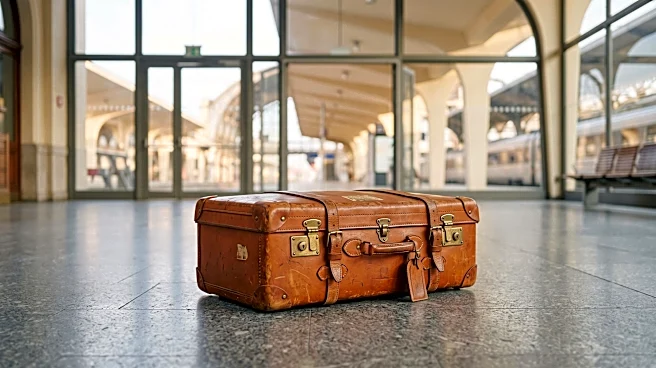
The engine of the film is the forced companionship between two polar opposites: Neal Page and Del Griffith (John Candy). Neal is cynical, impatient, and obsessed with control. Del is a garrulous, perpetually optimistic shower curtain ring salesman who lives his life out of a giant trunk. At every turn, Del is the cheerful, bumbling obstacle to Neal's single-minded goal. Hughes uses this classic 'Odd Couple' dynamic to generate conflict and comedy. From stealing Neal's cab in Manhattan to setting their rental car on fire, Del is a walking catastrophe. But as the journey spirals further into absurdity, their relationship deepens. The travel chaos forces them together, breaking down Neal's carefully constructed walls and revealing the genuine warmth and humanity beneath Del's clumsy exterior. Their clashing personalities create a perfect storm of comedic friction that slowly gives way to grudging respect and, eventually, true friendship.
Comedy That Comes from Calamity
John Hughes was a master at finding humor in painful situations, a skill he honed writing for National Lampoon. In 'Planes, Trains and Automobiles,' he elevates this to an art form. The film is a relentless series of escalating disasters, each one more ridiculous than the last. A train breaks down in the middle of nowhere. A shared motel room features a single bed and a startling moment of accidental intimacy. Neal's rental car isn't just unavailable; it's a thousand yards away, leading to his infamous, f-bomb-laden tirade at the rental counter. These aren't just gags; they are perfectly constructed comedic set pieces born from desperation. The laughter provides a release from the mounting tension, making the characters' plight both hilarious and painfully relatable. It’s a testament to Hughes's writing and the impeccable chemistry between Martin and Candy that a story about such profound misery remains one of the funniest films ever made.
The Heartbreak Beneath the Humor
The film's true genius lies in its final act, where the comedy gives way to something much deeper. Throughout their journey, Del constantly talks about his wife, Marie. It’s only as Neal finally sits on the 'L' train in Chicago, moments from home, that he pieces together the inconsistencies in Del's stories. He returns to the station to find Del alone, where the heartbreaking truth is revealed: Marie died eight years ago, and Del has no home to go to. This is the moment the 'chaos' fully transforms into 'drama'. The entire trip, for Del, wasn't about getting home; it was about avoiding the loneliness of having no home at all. This reveal reframes the entire movie, turning Del from an annoyance into a profoundly tragic figure. It’s the signature Hughes touch—finding the deep well of human sadness and vulnerability that often hides behind a cheerful facade.