




The Blueprint for a Collection
Before any garment is mass-produced, it starts as a single prototype, known as a sample. This initial version is created in a standardized “sample size,” which serves as the blueprint for the entire collection. For decades in American womenswear, this
has typically been a US size 2 or 4. These are not intended as the final product for a diverse consumer base, but as a technical tool. Designers and their teams use this single size to test the drape of a fabric, the precision of a cut, and the overall construction of a design. Think of it less as a suggestion for how bodies should be shaped and more as a controlled variable in the chaotic, high-speed experiment of creating a new collection.
A System Built for Speed and Cost
The primary logic behind using a single sample size is brutally practical: it saves time and money. The fashion calendar is relentless, and designers work under immense pressure to produce a full collection in a matter of months. Creating patterns and prototypes in dozens of different sizes from the outset would be logistically and financially crippling. It’s far more efficient to perfect a garment in one size and then, once the design is finalized, scale it up and down for production. This process is called “grading.” By using a consistent sample size, designers can ensure that every piece in their show collection is uniform, making casting for models a more streamlined process. As designer Tom Ford has noted, it's an issue of practicality; you hire models who fit the clothes you've already made.
The 'Human Hanger' Philosophy
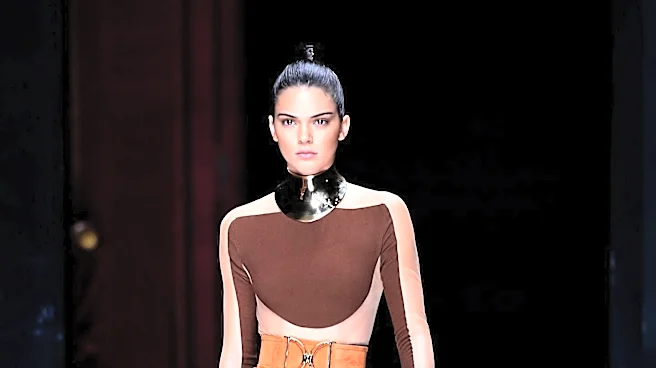
To bring these samples to life, designers rely on fit models. These individuals are hired because their measurements align almost perfectly with the brand's chosen sample size. Their job is to act as a live mannequin, providing crucial feedback on how a garment feels, moves, and functions. Traditionally, the ideal runway model has been tall and slender, a physique some designers feel provides a “neutral canvas.” The thinking is that this body type allows the garment's design, silhouette, and movement to be the main focus, without being overly influenced by the wearer's own curves. While this concept has been central to high fashion for years, it’s also the source of significant criticism regarding the industry’s narrow beauty standards.
From Runway to Retail Reality
The logic of the sample size has a powerful ripple effect that extends far beyond the runway. When buyers from major department stores attend fashion week, the garments they see and order are all in that initial sample size. This can influence which pieces get produced and, in some cases, the range of sizes that are ultimately made available to the public. However, the industry is slowly changing. Responding to widespread calls for more inclusivity, a growing number of designers are featuring models of different sizes, ages, and body types on their runways. While the single sample size remains a cornerstone of the development process for many, there's a growing recognition that the “logic” of the past may not fit the future of fashion.