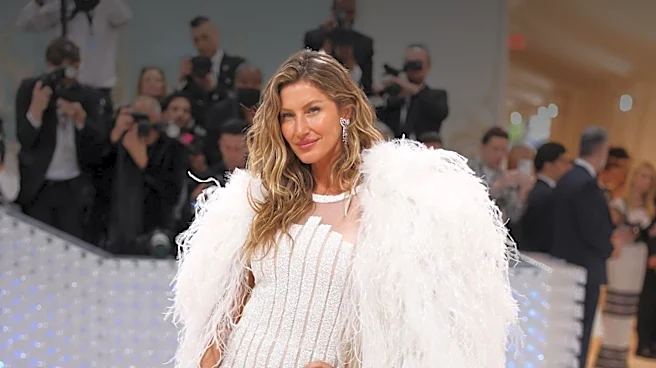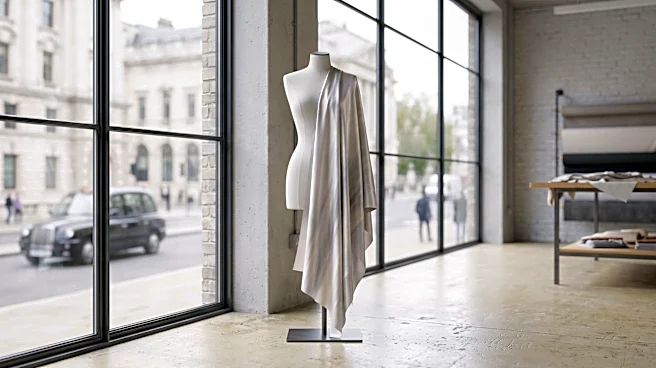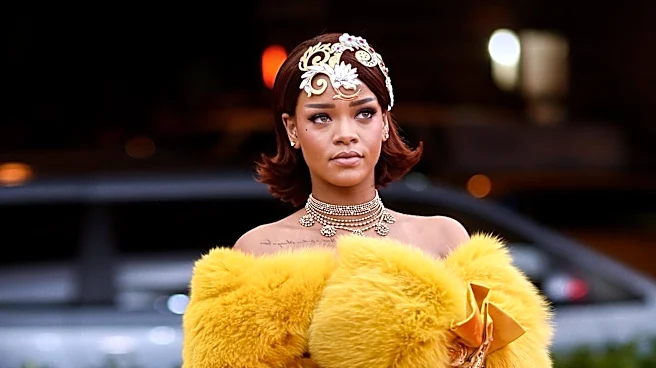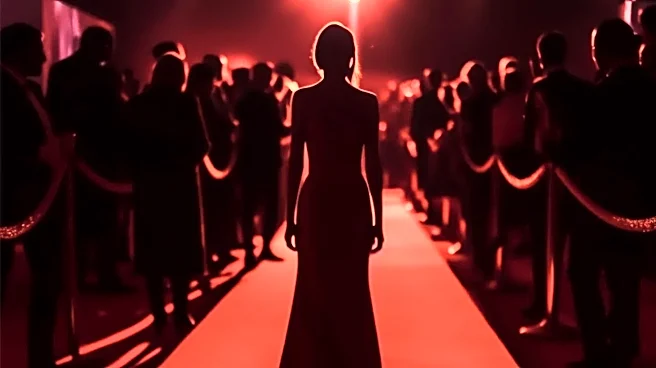







When a celebrity hits the red carpet in a 'custom' gown, we imagine a designer sketching a one-of-a-kind creation from scratch. But the reality is often more collaborative, and it frequently begins with a dress that already exists.
First, Let's Redefine 'Custom'
In the world of high
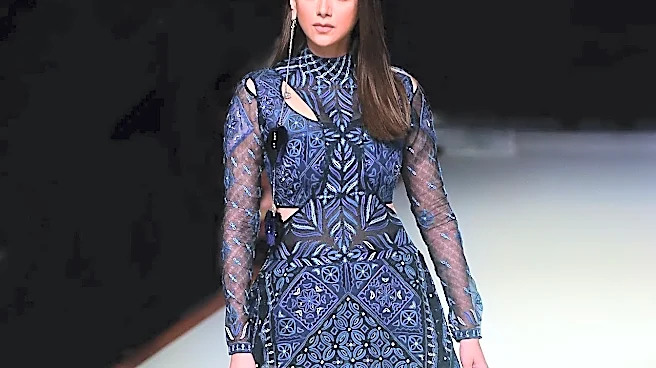
fashion, 'custom' doesn't always mean creating a garment from a completely blank slate. More accurately, it means a look has been created or significantly modified for one specific person and one specific event. This process is a dialogue between a fashion house, a celebrity, and their stylist. While some truly bespoke gowns are built from the ground up, many of the most memorable red-carpet moments start with a piece from a designer's recent runway collection. The runway look serves as the creative foundation—a starting point to be reimagined.
The Runway as a Creative Blueprint
So, why not just start from scratch every time? Because a runway collection is more than just a series of outfits; it’s the purest distillation of a designer's vision for the season. Each look contains the brand's DNA—its signature silhouettes, themes, and craftsmanship. Starting with a runway pattern ensures the final celebrity look remains true to the designer's world, even after modification. It provides a tested and approved silhouette that is known to work, removing some of the risks inherent in developing a completely new pattern under a tight deadline. The runway show is the brand's main statement, and having a star wear a version of it is a powerful endorsement.
A Collaborative Transformation
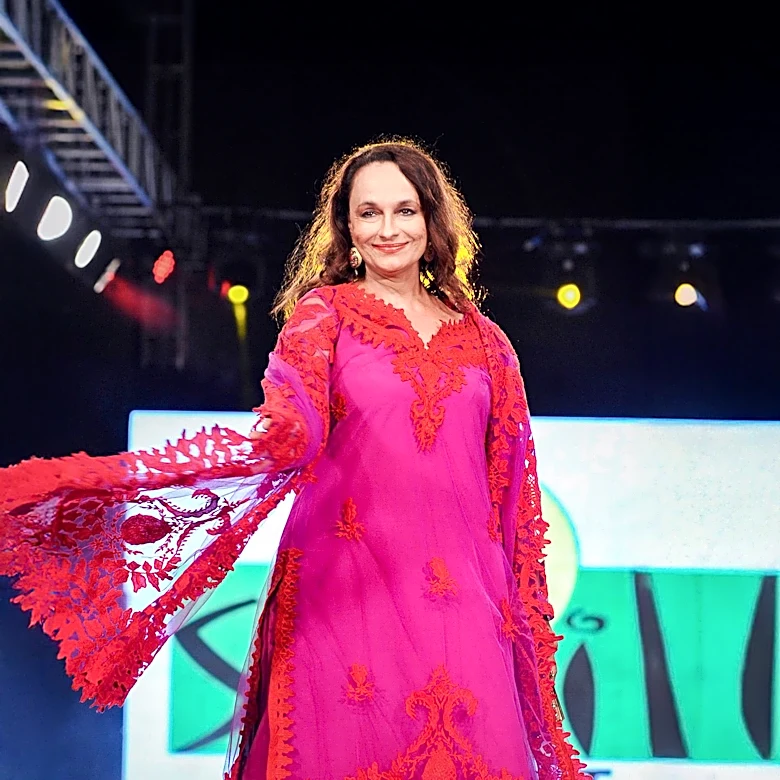
The journey from runway to red carpet is a masterclass in collaboration. It typically starts with the celebrity's stylist, who has an encyclopedic knowledge of recent collections. They might see a dress on the Paris runway and immediately envision it on their client, but perhaps in a different color, with a new neckline, or in a different fabric. The stylist then contacts the fashion house to propose a partnership. If the brand agrees, their atelier begins the intricate work of modification. This might involve changing a bold, editorial runway piece into something more wearable and flattering for the celebrity's body and public image, all while maintaining the original design's spirit. It's a process of personalization, not just replication.
A Win-Win for the Brand and the Star
This method offers significant benefits for both parties. For the fashion house, dressing a major star provides unparalleled visibility and cultural relevance, effectively turning a celebrity into a brand ambassador for a night. It connects their high-concept runway ideas to a global audience in a relatable way. For the celebrity, it guarantees a unique, impeccably-fitted gown from a top designer without the uncertainties of a totally new concept. They get a dress that is both personal to them and aligned with a powerful fashion brand. This is especially true for A-listers who have longterm contracts with specific fashion houses, where seasonal collections provide the basis for all their major appearances.