









More Than Just Noise
Before the whistle, before the first kick of the ball, there is the sound. For Liverpool F.C., it’s the sound of tens of thousands singing “You’ll Never Walk Alone,” a Broadway show tune from 1945 that was repopularized by a local band in the 1960s. The
song is now so intertwined with the club’s identity that its title is inscribed on the team’s crest and the Shankly Gates at their home stadium, Anfield. It’s a promise and a prayer, a ritual that binds strangers together. This is the first rule of soccer fandom: the songs are not background music. They are a form of collective storytelling, strengthening a shared identity among supporters. They can be repurposed pop songs, old folk melodies, or simple, thumping chants, but their function is the same: to turn a 90-minute game into something of lasting cultural significance.
The Anatomy of an Anthem
So what makes a good soccer anthem? It’s rarely about originality. Many of the most famous chants borrow their melodies from pop hits or hymns. The magic lies in the adaptation. The lyrics must be simple enough for a massive crowd to learn quickly, yet potent enough to capture a specific feeling. They often speak to themes of local pride, defiance in the face of long odds, or a deep, sometimes painful, history. England’s unofficial anthem, “Three Lions (Football’s Coming Home),” is a masterclass in this. Released for the Euro '96 tournament, its lyrics openly acknowledge decades of failure and disappointment, which makes its chorus of stubborn hope all the more powerful. It’s that blend of realism and unwavering belief that has allowed the song to endure for decades, reappearing with every major tournament.
Forged in the Fire of a Cup Run
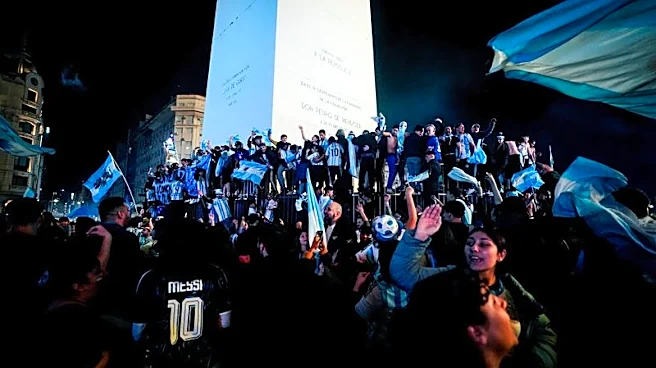
A league season is a marathon, but a World Cup is a fever dream. The compressed, high-stakes nature of a tournament acts as an incubator for mythology. A team’s story is written in real-time over a few short weeks, and a single song can become its soundtrack. Look no further than Argentina’s 2022 World Cup victory. The entire campaign was set to the tune of “Muchachos, Ahora Nos Volvimos a Ilusionar” (“Boys, We Have Our Hopes Up Again”). The song, set to the melody of a 2003 rock tune, tells the story of a nation’s journey through heartbreak and hope. Its lyrics reference past lost finals, the Falklands War (Malvinas), and the divine figures of Diego Maradona and Lionel Messi. It became so ubiquitous that the players, including Messi himself, sang it with the fans in the stadiums and the dressing room after victories, blurring the line between the supporters and the team.
From the Stands to the Pitch
It’s one thing for fans to feel a connection, but does the wall of sound actually affect the players? According to sports psychologists and the players themselves, the answer is a resounding yes. A loud, supportive crowd is often called the “12th man” for a reason. Chants can create a sense of unity and motivation, making a team feel like they are fighting for something larger than themselves. Conversely, they can create an intimidating atmosphere that unnerves opponents. When thousands of people sing in unison, it creates a powerful sense of social connection and releases endorphins, literally making people happier and feel more bonded. That energy is palpable. The players don’t just hear the noise; they feel the belief behind it, transforming the stadium from a venue into a fortress built of sound.
Crafting Immortality
Victories are eventually forgotten, records are broken, and players retire. But the songs remain. They are passed down from one generation of fans to the next, becoming a living archive of a team’s history and soul. The Argentinian chant “Muchachos” wasn’t just for the 2022 tournament; it became a new chapter in the nation's football folklore, joining a songbook that stretches back decades. These anthems ensure that the moments they represent are never truly lost. They are how fans write themselves into the story, not as passive observers, but as active participants in the creation of mythology. By singing of past heroes and future hopes, they perform a kind of magic, turning eleven players on a patch of grass into something timeless.