





The Perfect Ending Problem
In screenwriting, the toughest stories to sequelize are the ones that end too well. The 2016 film gave Moana a complete, satisfying arc. She grappled with duty versus desire, defied her father, teamed up with a demigod, restored the heart of Te Fiti,
and became the leader she was always meant to be. Her internal conflict—the question of “Who am I?”—was fundamentally resolved. She answered the call, found herself, and led her people back to their voyaging roots. So, what’s left for her to do? This is the core problem facing writers Jared Bush and Dana Ledoux Miller. You can't just reset her character and make her doubt herself again; that would betray the first film. You also can't just throw another monster at her without a compelling internal reason for the journey. It’s a narrative trap that has sunk countless sequels: how do you create new stakes when the hero has already won the ultimate personal victory?
Avoiding The Sequel Traps
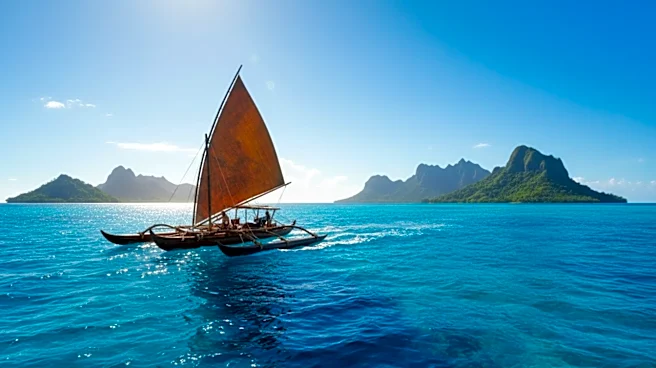
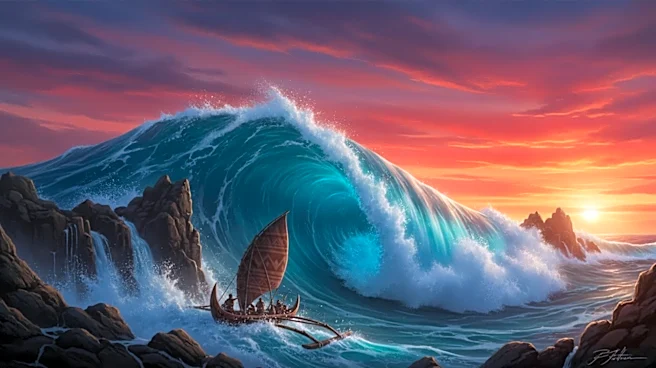
A lesser sequel might fall back on tired tropes. Perhaps Te Fiti’s heart gets stolen again, or a new villain emerges who simply undoes Moana's previous achievements. Thankfully, the creative team seems to have sidestepped these pitfalls. The story for Moana 2 is set three years later, finding Moana already in her role as a master wayfinder, exploring the seas and mapping the ocean. The inciting incident isn't a repeat of the past, but an expansion of the world. Moana receives a vision from her ancestors revealing a greater threat: a malicious storm god named Nalo has sunk a legendary island, Motufetu, which once connected all the peoples of Oceania. This threat isn't just about saving her island; it's about saving all islands from isolation and extinction. By framing the conflict this way, the writers have found a way to raise the stakes without diminishing the first film's conclusion.
From 'Who Am I?' to 'What Is My Purpose?'
The quiet genius of this new direction is the evolution of Moana’s central conflict. Her first journey was about self-discovery and becoming a leader. This second journey is about the burdens and responsibilities of that leadership. It's no longer about finding her own identity, but about using that identity to reconnect a fractured world. As writer-director Dana Ledoux Miller explained, the sequel explores "what it might look like to step into a leadership role when you know the consequences." Moana isn't a girl trying to prove herself anymore; she's a Tautai—a master wayfinder—who must now assemble and lead her own crew of unlikely seafarers. The challenge has shifted from an internal quest for identity to an external one of unity and connection, a more mature and complex problem that befits a character who has grown.
A Journey Transformed
Interestingly, Moana 2 began its life as a Disney+ series before being retooled into a theatrical feature. This development path may have helped writers explore the world more broadly before having to distill it into a single, focused narrative. The initial series format might have allowed for a more episodic exploration of different islands and cultures, ideas that have now been woven into a grander cinematic quest. The story now centers on a single, urgent mission: find and raise the lost island of Motufetu to break Nalo’s curse. This narrative focus ensures the film retains the epic scale of its predecessor while introducing a new cast of characters and expanding the mythology of Oceania. The result is a story that aims to feel both familiar and expansive, honoring Moana's past while charting a bold new course for her future.