



The Low-Commitment Sampler
Committing to a full-length horror movie is a big ask for a newcomer. What if you hate it? What if the scares are too intense, or worse, not scary at all? An anthology series solves this by design. Each episode or segment is a self-contained story, offering
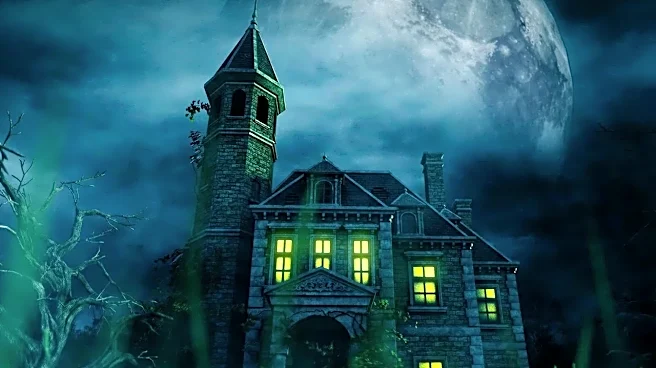
what amounts to a 'sampler platter' of fear. If one tale of a haunted house doesn't land, the next entry might be a creature feature or a psychological thriller that clicks perfectly. This variety acts as a guided tour through horror's many subgenres. Shows like 'Guillermo del Toro's Cabinet of Curiosities' or the 'V/H/S' film series function like a tasting menu, allowing viewers to discover their specific horror palate—be it gothic, slasher, or cosmic dread—without the 90-minute-plus investment in a single flavor. This bite-sized approach significantly lowers the barrier to entry, making the genre feel more accessible.
Safety in Variety
A single, feature-length horror film is designed to build and sustain a specific kind of tension. For a seasoned fan, that’s the goal. For a new viewer, it can be exhausting. Anthologies offer built-in relief. The very structure of jumping from one story to the next, often with different tones, directors, and casts, prevents any one type of fear from becoming overwhelming. One segment might be deeply unsettling and atmospheric, while the next could be campy and fun. This constant reset button helps manage the viewing experience. 'American Horror Story,' for example, famously reinvents itself each season, cycling through tropes from haunted houses to witch covens. This provides a safety net; the dread from one story doesn't have to linger, because a completely new narrative world is just around the corner. It's a way to experience the thrill of being scared without the emotional hangover.
Curation as a Trust Signal
Many of the most successful modern anthologies come with a built-in seal of approval from a trusted name. 'Guillermo del Toro's Cabinet of Curiosities' doesn't just present eight random stories; it presents eight stories curated by a master of the genre. Del Toro himself introduces each episode, acting as a sinister but reliable host, much like Rod Serling did for 'The Twilight Zone'. This framing tells newcomers that they are in good hands and that the stories have been selected for their quality. This sense of curation is powerful. It turns a potentially overwhelming sea of content into a hand-picked collection, which is especially appealing during the Halloween season when everyone is looking for a quality scare. It suggests that what you're about to see is not just random, but part of a thoughtful, cohesive vision, even if the stories themselves are disparate.
The Perfect Seasonal Ritual
While horror fandom is a year-round lifestyle for many, interest spikes dramatically in October. Anthology series, particularly those released as a seasonal event, tap directly into this cultural moment. Netflix dropping 'Cabinet of Curiosities' over a few days leading up to Halloween, or Shudder's annual 'V/H/S' installment becoming an October tradition, turns the viewing into a communal event. It’s something to talk about and anticipate. For new viewers, this creates an easy on-ramp. It’s not just 'watching a scary movie'; it’s participating in a seasonal ritual. The format is inherently experimental, allowing for weird, high-concept ideas that might not sustain a full movie but are perfect for a 40-minute burst of creativity, making them feel fresh and exciting. This event-based release strategy makes the anthology the quintessential October watch for anyone looking to dip their toes into horror's dark waters.