



Why We Love the Fit-and-Flare
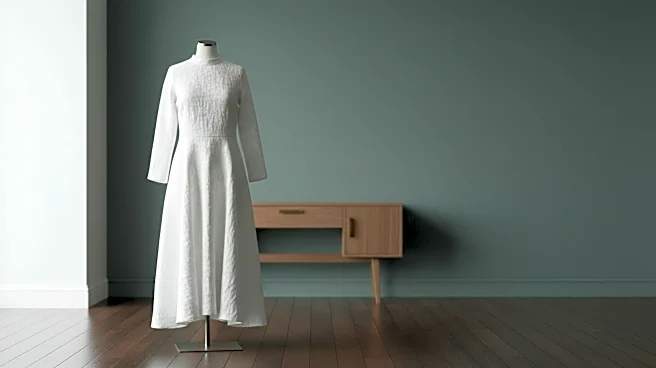
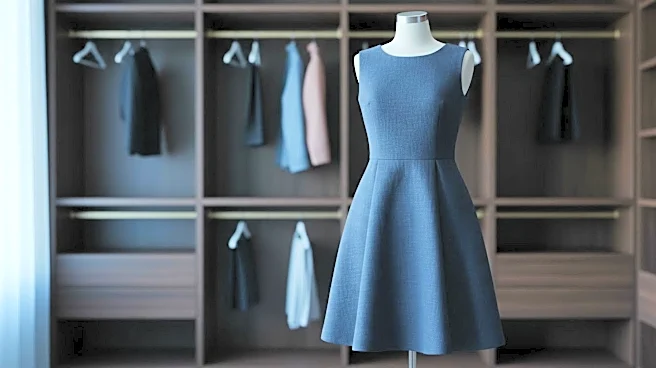
There’s a reason the fit-and-flare silhouette has remained a wardrobe staple for nearly a century. Its magic lies in its simple but brilliant construction: a bodice fitted to the torso that cinches at the natural waist, which then gives way to a full,
flared skirt. This design creates a classic hourglass shape that’s almost universally flattering, highlighting the narrowest part of your frame while allowing the skirt to move with grace. It’s the perfect blend of structure and softness, offering a polished look for everything from a casual brunch to a formal event. But not all fit-and-flare dresses are created equal, and the difference between a great one and a mediocre one is hidden from plain sight.
Where Most Online Reviews Fall Short
When you're shopping online, you likely scroll through reviews looking for feedback on fit, fabric, and color. Reviewers will tell you if a dress is “true to size,” if the material feels cheap, or if the red is more of a burnt orange. While helpful, this feedback is almost entirely focused on the surface. What’s often missing is a crucial assessment of the garment’s internal architecture—the unseen construction details that determine its durability and how it will hold its shape over time. A dress can look great in a flat-lay photo or even during the first try-on, but its true quality is revealed after hours of wear, and that’s something a quick review rarely captures.
The Secret: A Reinforced Waist Seam
The single most overlooked detail in a fit-and-flare dress is the construction of the waist seam. Think of it as the load-bearing wall of the garment. The full, flared skirt, especially if made from a heavier material, puts constant downward pressure on the bodice. In a poorly made dress, the waist seam is just a simple line of stitching connecting the top and bottom halves. Over time, the weight of the skirt will pull on this seam, causing the bodice to stretch, sag, and lose its tailored shape. A high-quality dress, however, will have a reinforced waist seam. This is often a non-stretch 'waist stay' or twill tape that is sewn into the seam itself. This small strip of sturdy fabric acts as an internal belt, stabilizing the entire dress and bearing the skirt’s weight so the bodice doesn’t have to.
Why This Tiny Detail Changes Everything
A stabilized waist seam does more than just prevent stretching. It ensures the dress hangs correctly and maintains its intended silhouette wear after wear. It keeps the flare of the skirt starting exactly where the designer intended—at your natural waist—preserving that coveted hourglass effect. Without it, the waistline can droop, the zipper may pucker, and the overall fit becomes distorted. This internal support is a hallmark of thoughtful construction and is one of the key differences between a disposable fast-fashion item and a long-lasting investment piece. It’s a labor-intensive detail that costs more to produce, so it's often the first thing to be cut in cheaper garments.
How to Spot a Well-Made Dress
So, how can you become a smarter shopper? The next time you're considering a fit-and-flare dress, don’t just look at the outside. Flip the garment inside out and examine the waist seam. Run your fingers along the line where the bodice meets the skirt. Do you feel a distinct, non-stretchy band of fabric hidden within the seam? That’s the waist stay. If the seam feels soft and has the same stretch as the rest of the bodice, it lacks reinforcement. While you’re looking at the interior, check for other quality clues. Are the seams fully finished to prevent fraying, perhaps with French or bound seams? Is there a quality lining that feels smooth against the skin? These internal details are the true indicators of a garment built to last.