







First, What Is a Dark Horse?
Let’s get the definition straight. A dark horse isn’t just any underdog destined for a gallant first-round exit. It’s a team that flies under the radar but possesses a potent combination of talent, tactical discipline, and spirit that makes a deep run
plausible, if not probable. They are the 'why not us?' teams. Think of Morocco in 2022, capturing the hearts of millions by becoming the first African nation to reach a World Cup semifinal. Or Croatia in 2018, a nation of four million people that battled its way to the final against France. These teams aren't favorites, but they have a puncher's chance. They make the tournament unpredictable and thrilling, reminding us that on any given day, giants can fall.
The Joy of Low-Stakes Fandom
Rooting for your own country is a high-pressure affair. Every missed shot is agony, every defensive lapse a catastrophe. It’s emotionally exhausting. A dark horse offers the perfect antidote: all the joy, none of the anxiety. When your adopted underdog scores a last-minute winner against a powerhouse like Brazil or Germany, it’s pure, unadulterated euphoria. If they lose? Oh well, they weren’t supposed to win anyway! This emotional detachment allows you to appreciate the narrative, to simply enjoy the ride. It’s a secondary rooting interest that provides a massive emotional return on a very small investment. It’s your ticket to enjoying the other 60-plus games that don't involve your primary team.
You're Buying Into the Best Story
The World Cup is as much about storytelling as it is about soccer. While the favorites have stories of pressure and legacy, the dark horses have stories of destiny and revolution. They are the giant-killers, the plucky upstarts who unite their nation and capture the global imagination. Watching a team like Costa Rica in 2014 top a group with three former world champions (Uruguay, Italy, and England) was cinematic. These runs create legends and provide the tournament's most indelible moments. By picking a dark horse, you become an early investor in the tournament’s most compelling potential plotline. You’re not just watching a game; you’re following a hero’s journey in real time.
How to Pick Your 2026 Underdog
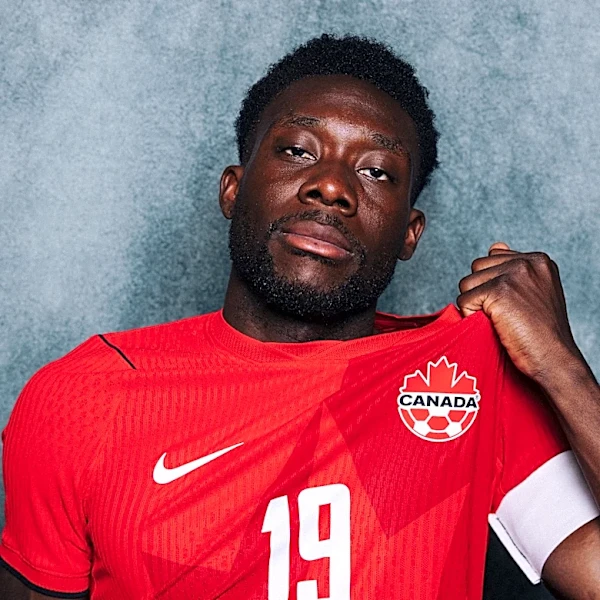
The expanded 48-team format for 2026 means more potential Cinderellas than ever before. So how do you find yours? Don't just throw a dart at a map. Look for archetypes. There’s “The Organized African Powerhouse,” a team like Senegal or Morocco, with stars in top European leagues and a history of disciplined tournament play. There’s “The Gritty Host Nation,” like Canada, who will be buoyed by home crowds and a desire to prove they belong on the world stage. Or consider “The Technical Asian Challenger,” like Japan or South Korea, teams known for their incredible work rate and ability to execute a precise tactical game plan that can frustrate bigger opponents. Do a little research, watch a few qualifying matches, and find a team whose style or story resonates with you.