



Decoding the World's Fanciest Dress Code
First, let’s be clear: Royal Ascot is not just one event. It’s a five-day horse racing meet with different 'enclosures,' or sections, each with its own level of formality. The most famous and restrictive is the Royal Enclosure, where members of the Royal Family
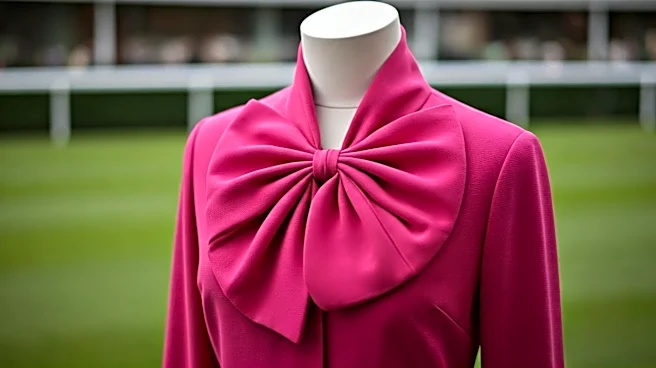
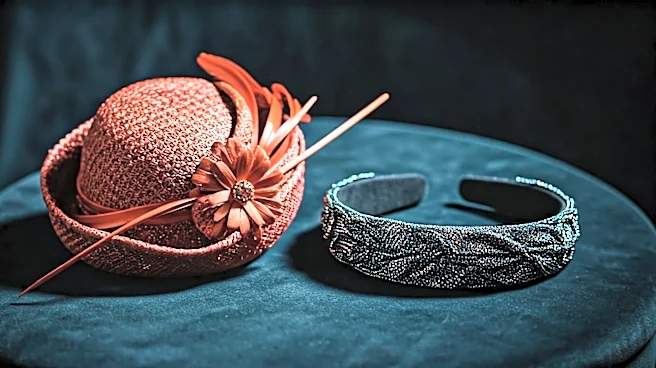
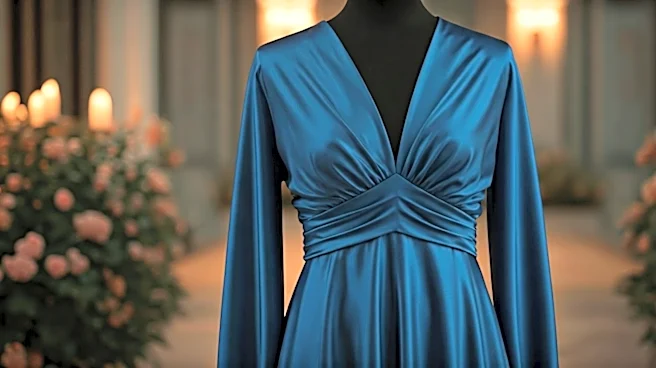
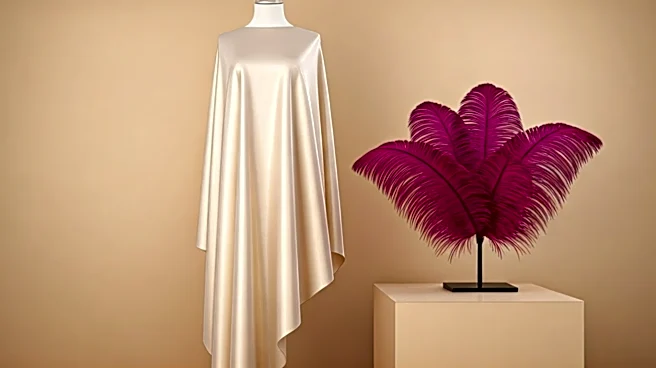
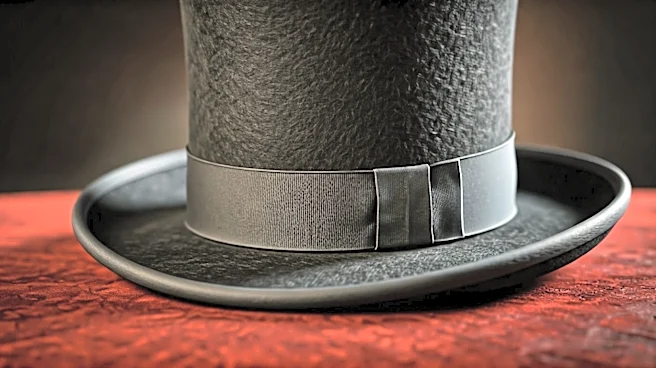
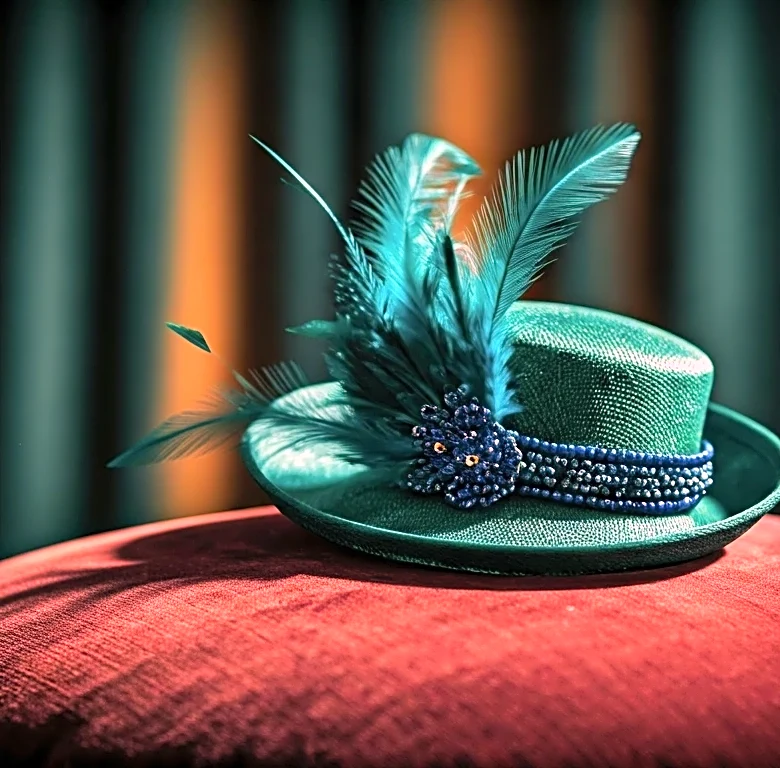
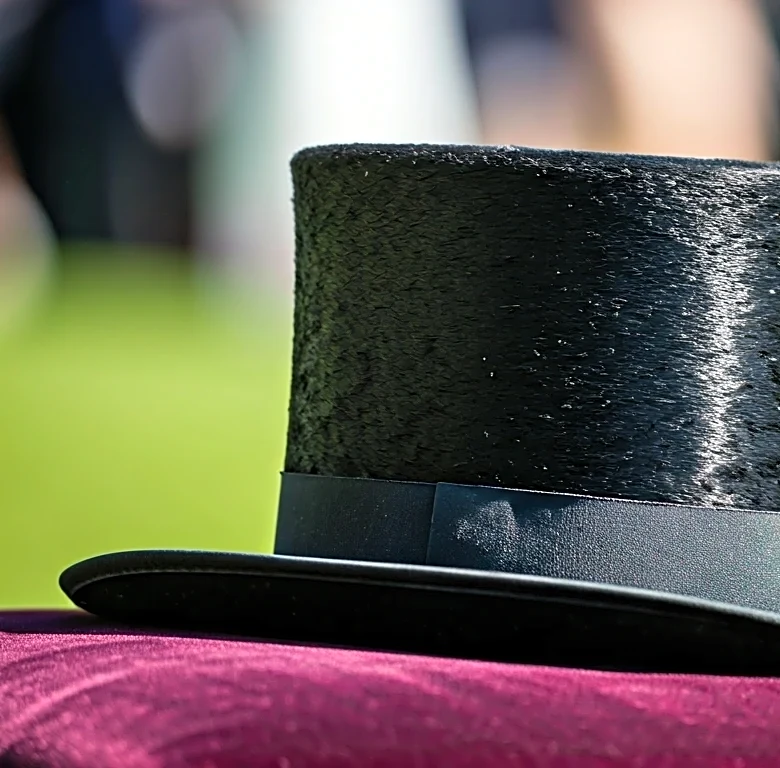
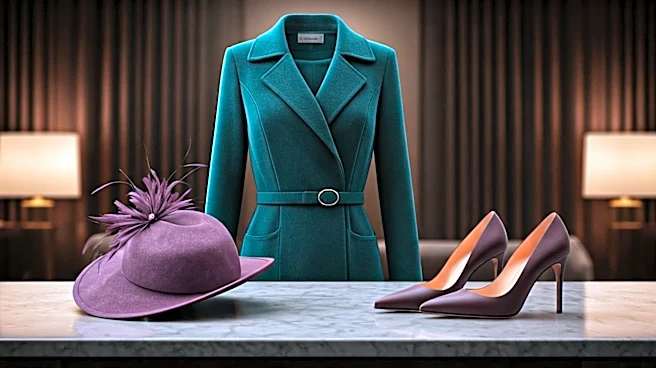
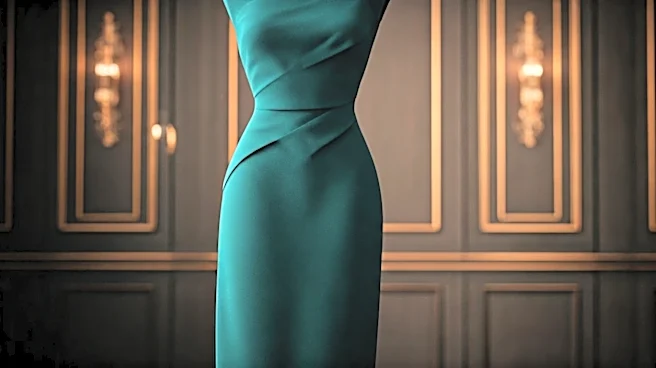
mingle with a select guest list. Here, the rules are ironclad and have been for centuries. For men, it’s mandatory 'morning dress,' which consists of a waistcoat, tie, a black or grey top hat, and black dress shoes. Think nineteenth-century British aristocrat, and you’re on the right track. For women, the rules are even more specific. Dresses and skirts must be of 'modest length,' defined as falling just above the knee or longer. Straps on dresses must be at least one inch wide—no spaghetti straps, strapless, or off-the-shoulder styles allowed. Trouser suits are permitted but must be full-length and of matching material and color. And the crowning glory? A hat is non-negotiable. What’s more, it must have a solid base of at least four inches in diameter. A fascinator, the smaller, often whimsical headpiece popular at other events, simply won’t cut it here.
The Freedom in Formality
On paper, this sounds incredibly restrictive. Why would anyone, in the 21st century, want to be told exactly how to dress? The appeal lies in a paradox: these rigid rules can be creatively liberating. In a world of endless choice and vague 'smart casual' invitations, the Ascot dress code eliminates all ambiguity. You know exactly what is expected, which removes the anxiety of being underdressed or overdressed. This structure creates a uniform, elegant backdrop where individual creativity can shine through within the established parameters. The challenge isn't *what* to wear, but *how* to wear it. It shifts the focus from following trends to mastering a classic aesthetic. The question becomes: how can you express your personal style while adhering to the length of a skirt or the width of a strap? This creative puzzle is a huge part of the fun, turning a potential chore into a celebrated style challenge.
A Real-Life Costume Drama
Let’s be honest: pop culture has បាន primed us to love this. Shows like *Bridgerton* and *The Crown* have re-ignited a mainstream fascination with the pomp, pageantry, and elaborate costuming of British high society. Royal Ascot is one of the few places on Earth where that fantasy becomes a tangible reality. It offers a chance to participate in, not just observe, a day of glorious, anachronistic elegance. For many attendees, it's the ultimate excuse to play dress-up in the most sophisticated way imaginable. This 'event dressing' phenomenon speaks to a broader desire for occasions that feel truly special. After years where major life events were downsized or held over Zoom, the appetite for going all-out has returned with a vengeance. Ascot provides a perfect outlet for this pent-up sartorial energy. It’s a day to disconnect from the mundane and step into a world where a magnificent hat isn't just an accessory, but the main event.
The Spectacle of Certainty
Ultimately, the appeal of Ascot's dress code is about more than just clothes. It's about participating in a shared cultural spectacle. Everyone is in on the game. The strict rules ensure that the visual tableau is cohesive and breathtaking. The sea of top hats and elaborate millinery creates a powerful, transportive atmosphere that wouldn't be possible if some guests were in jeans and t-shirts. It's a collective agreement to uphold a standard of elegance for a few days a year. From an ocean away, Americans look on with a certain fascination. Our own formal events, like the Kentucky Derby, have dress codes that are more like strong suggestions. The unapologetic strictness of Ascot feels both foreign and compelling. It represents a commitment to tradition and a celebration of glamour that feels both timeless and, in its own way, refreshingly modern.