




The Modern 'Clean-Girl' Mandate
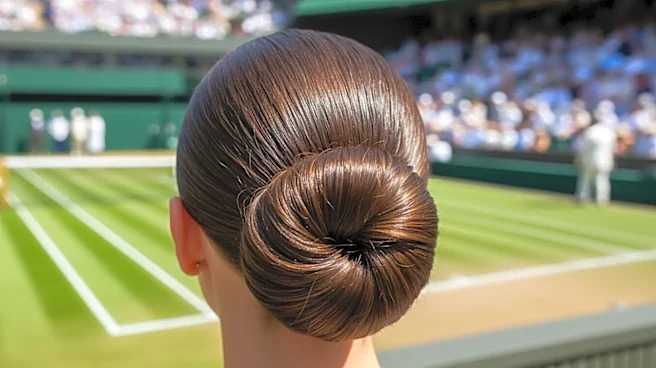
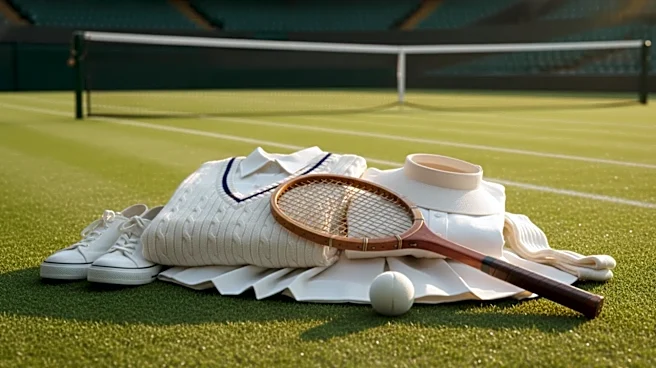
The courtside style at Wimbledon is as much a part of the event as the tennis itself. This year, the reigning look is an evolution of the 'clean-girl' aesthetic: think luminous skin, minimal makeup, and hair that is immaculately yet effortlessly swept
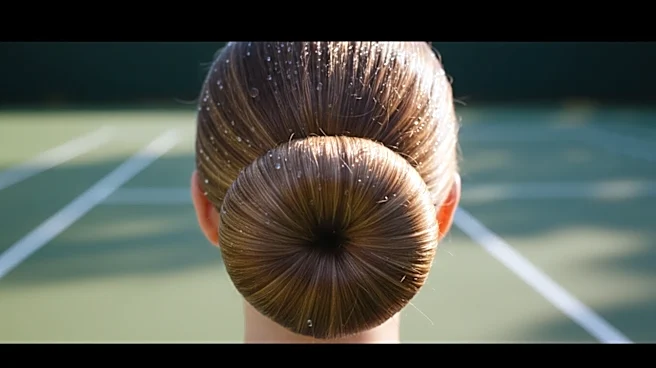
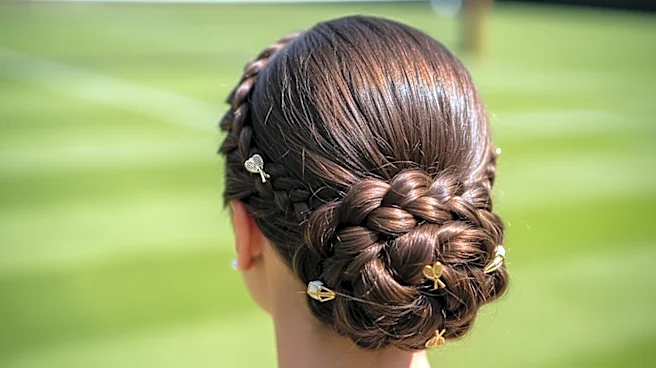
back. The undisputed centerpiece of this look is the sleek bun. It’s a style that telegraphs intention and polish, designed to look as good at the end of a match as it did at the beginning. But as anyone who has tried to wrangle their hair on a humid July day knows, this look requires more than just a hair tie and a prayer. It demands engineering, precision, and an understanding of what makes a style hold up under pressure—and in the sun.
Inspiration from the 1930s Archive
Before there was the 'clean-girl' bun, there was the quiet power of 1930s tennis icons like Helen Wills Moody. A dominant force who won eight Wimbledon singles titles, Wills Moody was the picture of grace and composure on the court. Her style was functional yet profoundly elegant; hair was often kept off the face with a simple band or swept into a low-slung, secure bun that stayed put through grueling matches. Unlike the often severe, ultra-glossy buns of today, the 1930s look had a softer structure. It was about control without rigidity, a blueprint for enduring style that offers a crucial lesson for our modern attempts.
Mistake 1: The High-Gloss 'Helmet'
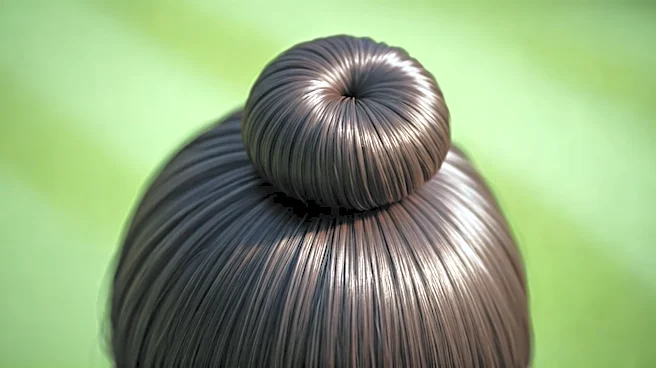
The first misstep in modern bun engineering is over-reliance on high-shine, hard-hold gels. While the goal is a sleek finish, applying too much product can result in a stiff, plastic-like helmet that looks unnatural and can flake in the heat. The 1930s approach favored a more natural texture. To get it right, ditch the globs of gel. Instead, work a small amount of pomade or styling wax on your fingertips and smooth it over the surface of your hair after it’s been secured. This tames flyaways and adds shine without creating a non-negotiable shell that will betray you by midday.
Mistake 2: Starting with a Blank Slate
The term 'clean girl' is misleading. The biggest mistake you can make is attempting a sleek bun on freshly washed, silky-smooth hair. It’s a recipe for disaster; the style has nothing to grip and will inevitably slip and loosen. Second-day hair provides the ideal texture and hold. If you must start with clean hair, create your own grit. A light mist of texture spray or dry shampoo from roots to ends will give your hair the necessary 'tooth' to hold the style. This mimics the foundational needs of any athletic hairstyle, then and now: it has to be built on something solid.
Mistake 3: Poor Placement and Tension
A bun’s placement is everything. Too high can feel severe or juvenile; too far back can get lost. The most universally flattering and enduring position is often a low bun at the nape of the neck or a classic chignon just below the occipital bone—a spot favored in historical photos. This placement feels elegant and intentional. Equally important is the tension. The initial ponytail must be tight and secure to the head, creating a strong anchor. A loose base is a guarantee that your bun will sag. Use a good elastic, or even two, to create the solid foundation that the entire structure depends on.
The 1930s-Inspired Edit: A Step-by-Step
To synthesize this timeless wisdom for a modern summer edit, follow this method. First, prep your hair with texture, whether it's from second-day wear or a texturizing spray. Next, create a sharp center or side part for a polished look. Brush your hair back firmly into a low, tight ponytail, using a boar bristle brush to achieve a smooth, bump-free surface. Secure it tightly. Now, instead of just wrapping the ponytail, split it into two sections. Twist both sections in the same direction, then twist them around each other to form a rope. This adds internal structure. Finally, wrap this rope around the base of the ponytail, tucking the ends and securing with bobby pins that match your hair color. The result is a bun with architectural integrity that looks effortless, not shellacked.