

An Accidental Icon's Wardrobe
When 'Annie Hall' premiered in 1977, its title character's look was unlike anything else in mainstream cinema. While the disco era championed slick polyester and glamour, Annie showed up in menswear, looking like she’d raided a thrift shop and her grandfather’s
closet. The secret? It wasn't entirely the work of the film's credited costume designer, Ruth Morley. Much of the wardrobe came directly from Diane Keaton's own closet. Keaton had a penchant for baggy trousers, hats, and men's vests, inspired by the stylish women she saw on the streets of SoHo. Woody Allen gave her carte blanche, telling a skeptical Morley to “let her wear what she wants.” This authenticity was key; Annie's style felt real because, in large part, it was. It wasn't a Hollywood creation but a genuine expression of a quirky, confident woman.
Deconstructing the Uniform
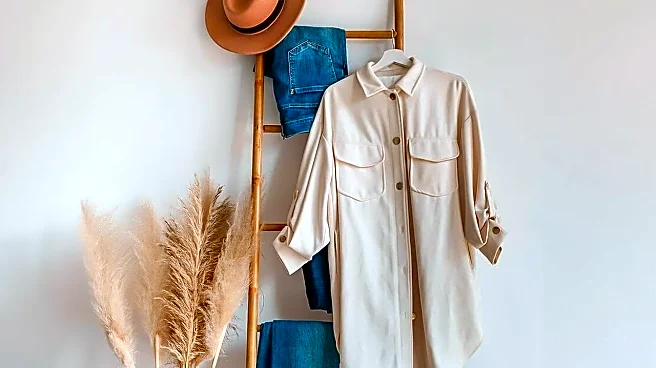
The “Annie Hall look” was a masterclass in layering and androgyny. The core components were instantly recognizable: wide-leg khaki trousers or baggy pants, a man's waistcoat over a simple button-down shirt, an oversized blazer, and, of course, a floppy hat or bowler. The finishing touch was often a wide, sometimes polka-dotted, tie worn loosely. Each piece subverted the hyper-feminine ideals of the time. It was a style that prioritized comfort and personality over overt sexuality. It suggested an intellectual, slightly neurotic, but utterly charming woman who dressed for herself. As costume designer Ruth Morley put it, she was designing for a character who “didn't yet know who she was, but she had originality.”
A Rebellion Against 70s Glamour
To understand the impact of Annie's style, you have to remember its context. The late 1970s were dominated by Farrah Fawcett's feathered hair and the glittering, body-hugging silhouettes of disco. Fashion was often loud and overtly sexy. The 'Annie Hall' aesthetic was the complete opposite. It was a tenderized, slightly waifish take on menswear that felt both romantic and radical. It provided a new way for women to be stylish without conforming to traditional standards of allure. The look was quickly adopted on the streets of New York, offering a chic alternative for those who didn't connect with the prevailing disco trends. It aligned perfectly with the era's second-wave feminism, giving women permission to adopt a look that was powerful, comfortable, and self-defined.
The Ripple Effect Through the Decades
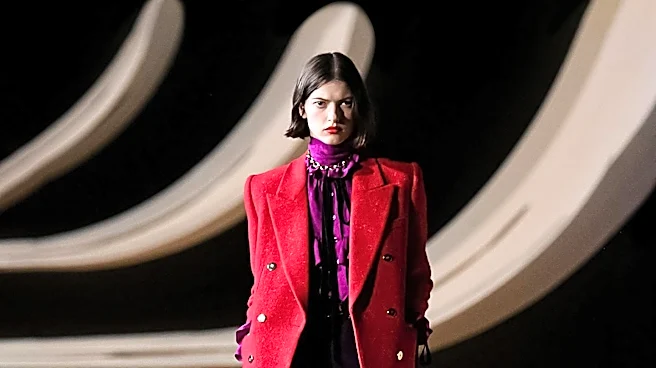
The film’s influence was immediate and lasting. It helped catapult Ralph Lauren, who supplied some of the film's pieces, to greater fame as his preppy, all-American aesthetic found its perfect muse. But the ripples didn't stop there. The trend for women adopting casual menswear continued well into the 1980s. In the decades since, the 'Annie Hall' DNA has resurfaced time and again. It can be seen in the minimalist and grunge-adjacent styles of the 90s, in the recurring 'borrowed-from-the-boys' runway collections from designers like Jil Sander and Louis Vuitton, and in the personal style of modern icons like Alexa Chung. Every time a woman confidently dons a tailored vest, a pair of wide-leg trousers, or a slouchy blazer, she is, in some small way, channeling the spirit of Annie Hall.