
The Anatomy of a Scare
To understand why a missed cue isn't a disaster, you first have to appreciate the intricate layering of an HHN experience. The event’s masterminds build each moment not around a single effect, but a symphony
of sensory overload. A scene isn't just one giant monster popping out; it's a carefully crafted environment. The audioscape builds intensity from room to room, the lighting directs your eyes (or blinds you), and even smells are deployed to create a feeling of unease long before a scare happens. The main event, whether it’s a lunging creature or a projection effect, is called the “A-Gag.” But it’s supported by the entire atmosphere, which is designed to keep your brain’s fear centers firing. You’re already primed for terror, your heart rate elevated, making you susceptible to the slightest disruption.
The Human Failsafe: The Scareactor
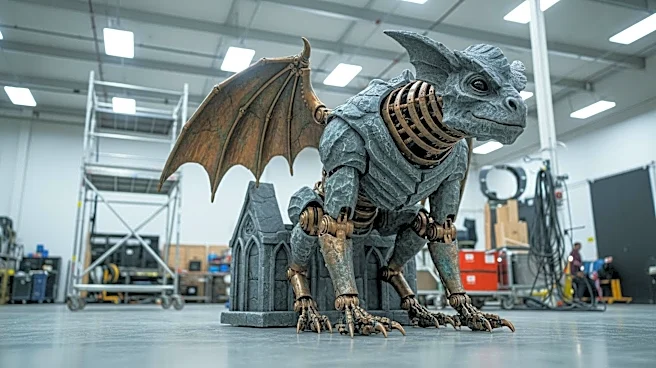
The single most important reason a house survives a technical hiccup is the human element. Scareactors are not just monsters jumping out of corners; they are live performers trained in improvisation. While they have primary scare patterns they repeat, they are also the show's ultimate quality control. When a major effect fails to trigger, it’s the scareactor hidden in the same scene who sees it first. They are trained to instantly adapt, delivering a backup scare to fill the void. This might be a sudden lunge, a terrifying scream from an unexpected direction, or a 'buddy scare,' where one actor creates a distraction while another gets the real scream. Their goal is to ensure the beat of fear is never missed. This quick thinking redirects the audience's attention so effectively that most guests never even realize the massive animatronic nearby was supposed to move.
Redundancy and the 'B-Gag'
Theatrical design, especially in a high-stakes environment like HHN, is all about redundancy. Designers often build in secondary, simpler effects known as “B-Gags.” Think of it as a backup plan. If the complex animatronic (the A-Gag) fails, the show's control system might still trigger a B-Gag—a loud blast of air, a jarring sound effect, or a sudden strobe light. While less elaborate, these effects are still highly effective because the guest is already in a heightened state of anxiety. The house is a disorienting assault on the senses, with narrow sightlines and confusing layouts deliberately designed to make you feel uneasy. In that context, a simple but well-timed B-Gag can be just as effective as its more complex counterpart.
The Psychology of Misdirection
Ultimately, a haunted house is a psychological playground. The designers are playing tricks on your brain, which is already working overtime in a state of fight-or-flight. Your senses are so overwhelmed by the darkness, the loud noises, the strange smells, and the menacing figures that you can't possibly process everything at once. This sensory overload is by design. If a single effect is missed, but a scareactor immediately screams in your face, your brain latches onto the immediate threat. The live performer becomes the focal point of your fear, effectively erasing the memory of the technical glitch you might have subconsciously noticed a second earlier. It’s a masterful act of misdirection that ensures the emotional impact of the scene remains intact. The experience is about the feeling of controlled fear, and that feeling is rarely dependent on any single moving part.