




Myth: It Comes From Rose Petals
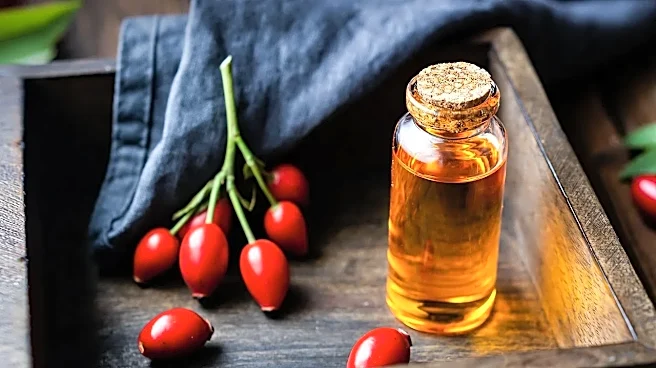
Let's clear this up first: rosehip oil has nothing to do with the fragrant petals used for rosewater or essential oils. It’s a pressed seed oil extracted from the fruit (the 'hip') of specific wild rose bushes, most commonly the Rosa canina. This fruit is what’s
left after the rose has bloomed and the petals have fallen. The oil is typically cold-pressed from these tiny seeds to preserve its delicate compounds, which include fatty acids, antioxidants, and vitamins. So, while it comes from a rose plant, it’s not the flower you’re putting on your face, but the nutrient-packed fruit.
Myth: It's Basically a Natural Retinol
This is one of the biggest and most confusing claims. Rosehip oil contains naturally occurring all-trans-retinoic acid (a form of vitamin A), which is the same active compound found in prescription tretinoin. However, the concentration is extremely low. It also contains provitamin A carotenoids, like beta-carotene, that the body can convert to vitamin A. While these compounds contribute to skin regeneration and can help improve texture and pigmentation, they do not work with the same power or speed as a synthetic retinoid. Think of it as a gentle, supportive cousin to retinol, not a direct replacement. It offers some renewing benefits without the typical irritation of high-strength retinoids, making it a great option for sensitive skin, but it won't produce the dramatic, fast-acting results of a prescription cream.
Myth: It Will Erase All Your Scars
Marketers love to position rosehip oil as a miracle scar eraser. The reality is more nuanced. Studies and clinical use have shown it can be effective at improving the appearance of certain scars, particularly post-surgical scars and the flat, dark marks left behind by acne (post-inflammatory hyperpigmentation). Its rich profile of fatty acids and antioxidants helps with tissue regeneration and reducing discoloration. However, it is not effective for deep, pitted, or raised scars, as it can't change the physical structure of the scar tissue itself. Consistent use over 8 to 12 weeks can yield noticeable improvement in color and texture, but 'erasing' scars is an overstatement.
Myth: It’s Too Oily for Acne-Prone Skin
The idea of putting oil on oily, acne-prone skin seems counterintuitive, but here’s why it works for many. Rosehip oil has a very low comedogenic rating, usually a 1 out of 5, meaning it's highly unlikely to clog pores. Furthermore, research has shown that the skin of many acne-prone individuals is deficient in a specific fatty acid called linoleic acid. Rosehip oil is exceptionally rich in linoleic acid, which can help regulate sebum production and prevent the formation of blackheads and whiteheads. Its anti-inflammatory properties can also help calm the redness associated with breakouts.
Myth: The More You Slather On, the Better
When it comes to facial oils, less is almost always more. Rosehip oil is potent, and only a few drops are needed to cover the entire face. It's considered a 'dry oil' because it absorbs quickly without leaving a heavy, greasy film. Overusing it won't speed up results; it will just waste product and can potentially lead to a greasy feeling or even mild irritation in some. The best practice is to apply 2-3 drops to clean, damp skin, often as the last step in your routine to seal in moisture. This is enough to deliver its benefits without overwhelming your skin.