





What Makes a Movie 'Cozy but Creepy'?
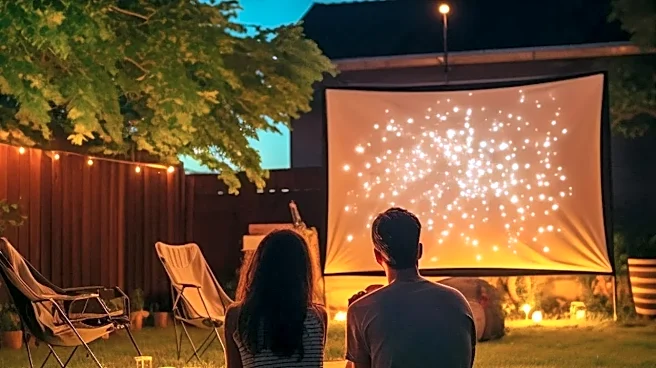
Before we get to the movies, what is this vibe? It's less about jump scares and more about sustained, atmospheric dread. Think of a film set in a secluded cabin, a foggy old house, or a small town with a dark secret. The 'cozy' comes from the familiar,
often beautiful autumnal or wintry settings—crackling fires, warm sweaters, and a sense of isolation that can feel comforting. The 'creepy' is the unsettling feeling that something is deeply wrong just beneath the surface. It’s horror that emphasizes mood and melancholy, leaving a whisper that lingers longer than a scream. The terror is kept at arm's length, allowing you to be unsettled without being traumatized.
The Others (2001)
This is a cornerstone of the subgenre. Grace (Nicole Kidman) and her two photosensitive children live in a cavernous, fog-shrouded mansion right after World War II. The house itself is the source of comfort and terror; its candlelit halls and drawn curtains create an insular, protected world. But the strict rules and unexplained noises build a suffocating sense of psychological dread. It's a ghost story that relies on atmosphere, suggestion, and a crushing sense of loneliness, making it the perfect 'cozy but creepy' experience. The gloom is something you can almost wrap yourself in.
Sleepy Hollow (1999)
Tim Burton's gothic fairytale is perhaps the most visually perfect example of this trend. Set in a perpetually overcast, late-18th-century New York hamlet, the film is a beautiful tapestry of gray skies, bare trees, and flickering jack-o'-lanterns. Constable Ichabod Crane's investigation into the Headless Horseman is a murder mystery wrapped in folk horror. Despite the decapitations, the film has a storybook quality, with its lavish production design and emphasis on misty forests and cozy taverns. It feels like a grim Brothers Grimm tale brought to life, prioritizing spooky fun over genuine terror.
The Witch (2015)
Robert Eggers' feature debut is a masterclass in slow-burn, historical dread. A Puritan family, exiled to the edge of an imposing New England wilderness in the 1630s, finds their faith and sanity tested by a seemingly supernatural force. The 'cozy' element is fragile and fraught—the warmth of their small cabin's hearth, the unity of the family before paranoia sets in. The creepiness stems from the oppressive isolation, the bleakness of the landscape, and the chilling ambiguity of whether the evil is real, imagined, or both. It’s a film that gets under your skin with its meticulously crafted, unsettling atmosphere.
Over the Garden Wall (2014)
While technically a 10-episode animated miniseries, its 110-minute runtime makes it a perfect feature-length watch. Two brothers, Wirt and Greg, find themselves lost in a mysterious forest called the Unknown, trying to find their way home. Each episode is a vignette steeped in Americana, folklore, and a gorgeous autumnal aesthetic. The series has the comforting quality of a classic children's book, but it’s underscored by a persistent, melancholic, and sometimes genuinely frightening sense of danger. It is the absolute epitome of the cozy-but-creepy feeling, balancing whimsy with a deep, dark wood's menace.
The Lodge (2019)
For a more modern and severe take, 'The Lodge' traps its characters in a beautiful, remote winter cabin. A soon-to-be stepmother is left alone with her two skeptical future stepchildren, only for a blizzard to snow them in. The setting is idyllically cozy at first—a warm refuge against a harsh winter. But as strange events begin to unfold, the isolation becomes a weapon, and the cozy cabin transforms into a psychological prison. This film proves that the brightest, most comfortable settings can harbor the darkest terrors, pushing the 'cozy' to its breaking point.