
Daytime is for Dust and Defense
The first rule of dressing for Burning Man is that you're dressing for a harsh, high-altitude desert environment. Daytime temperatures can soar past 100°F, while the ground itself gets even hotter. The playa,
the ancient lakebed where the event is held, is covered in a fine, alkaline dust that gets everywhere. Consequently, daytime fashion is fundamentally about protection. Think light, breathable fabrics like cotton and linen that cover the skin to prevent sunburn. Sturdy, closed-toe boots are a must to protect feet from the abrasive playa surface and accidental hazards. The most iconic accessories are non-negotiable survival gear: goggles to shield eyes during sudden dust storms and a mask or bandana to protect your lungs. While the core principle is radical self-expression, the daytime reality is that function often dictates form. The goal is to stay cool, covered, and safe from the elements.
The Sun Sets, The Temperature Plummets
The single biggest shock for many first-time Burners is the dramatic temperature drop after sunset. The same desert that was scorching hot at 3 p.m. can plunge to 50°F or lower by 3 a.m. This predictable swing of 40-50 degrees is the primary driver of the nighttime costume change. Suddenly, the skimpy, breathable layers of the day are completely inadequate. This is when the layers come on. Thermals, leggings, and long-sleeved shirts often form the base. The most quintessential piece of Burning Man nightwear is the oversized faux fur coat. It’s not just a style statement; it’s a practical necessity for staying warm while exploring the vast, open playa until sunrise. Without a warm outer layer, the cold becomes more than uncomfortable—it can become a genuine risk.
A City with No Streetlights
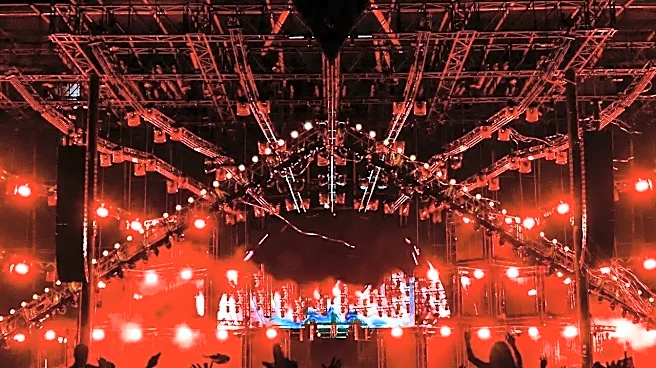
Once you're warm, the next challenge is visibility. Black Rock City is a temporary metropolis with roads, art installations, and thousands of people, but it has zero streetlights. The desert at night is profoundly dark, punctuated only by the lights from camps, art cars, and other participants. This is where the LEDs, EL wire, and glowing accessories come in. Wearing lights isn't just for show; it's a critical safety measure and a core part of playa etiquette. Bicycles are the main form of transportation, and hundreds of massive, slow-moving “mutant vehicles” (art cars) roam the open playa. An unlit person, derisively called a “darkwad,” is invisible and at a serious risk of collision. Being well-lit from all angles ensures that cyclists and art car drivers can see you, preventing accidents in the chaotic, mobile environment.
The Art of Being Seen
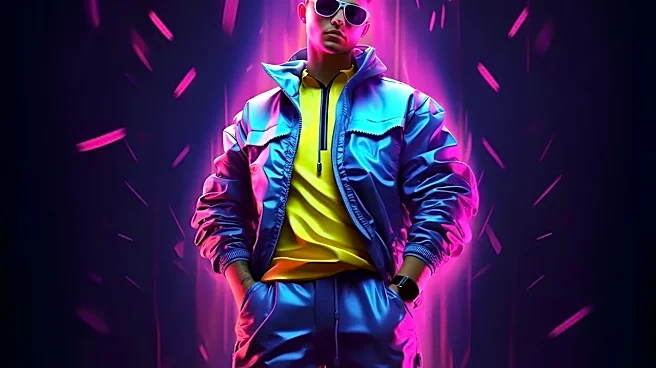
While safety is the practical reason for wearing lights, it has evolved into a major avenue for radical self-expression, one of Burning Man's core principles. The necessity of being seen has been transformed into a city-wide, interactive light installation. Burners creatively integrate illumination into their clothing, bikes, and backpacks. Programmable LED strips, animated light displays on jackets, and elaborate EL wire designs turn people into moving pieces of art. This collective glow-up does more than keep individuals safe; it creates the surreal, magical atmosphere that defines the event after dark. It helps friends find each other in a crowd, allows people to navigate by spotting unique light patterns, and transforms the pitch-black desert into a mesmerizing, otherworldly landscape of blinking, flowing, and pulsing color. It’s where survivalism and spectacle become one and the same.