


The Starting Gun on the Lido
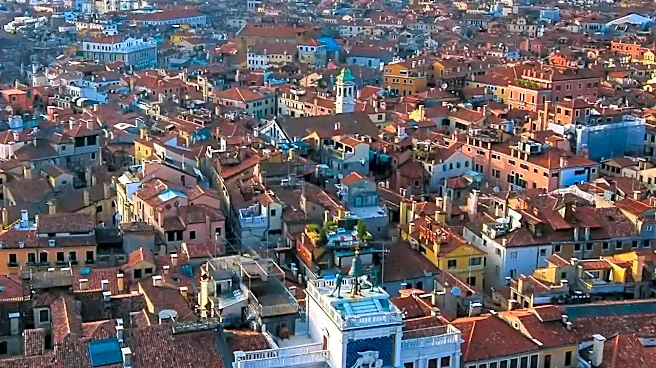
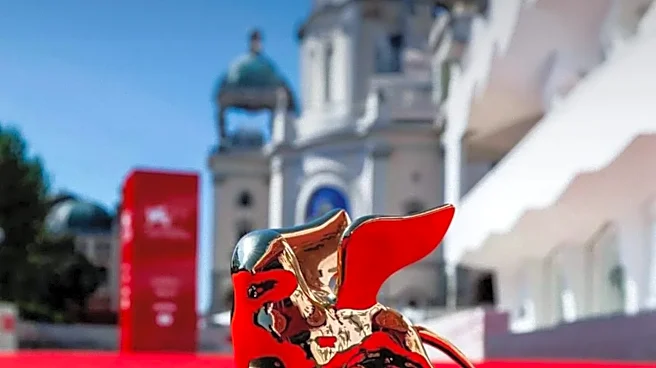
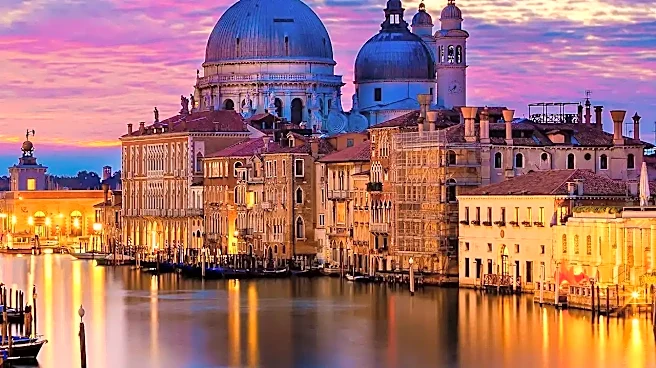
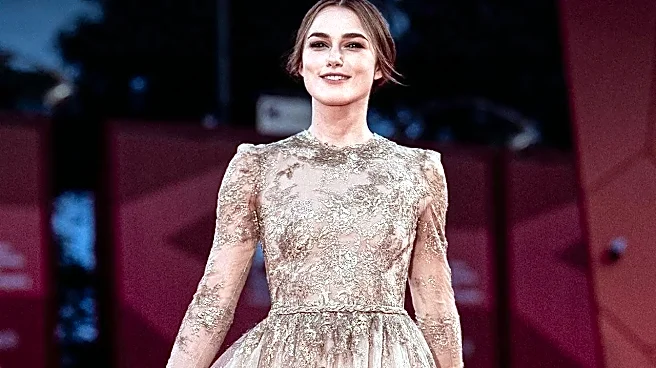
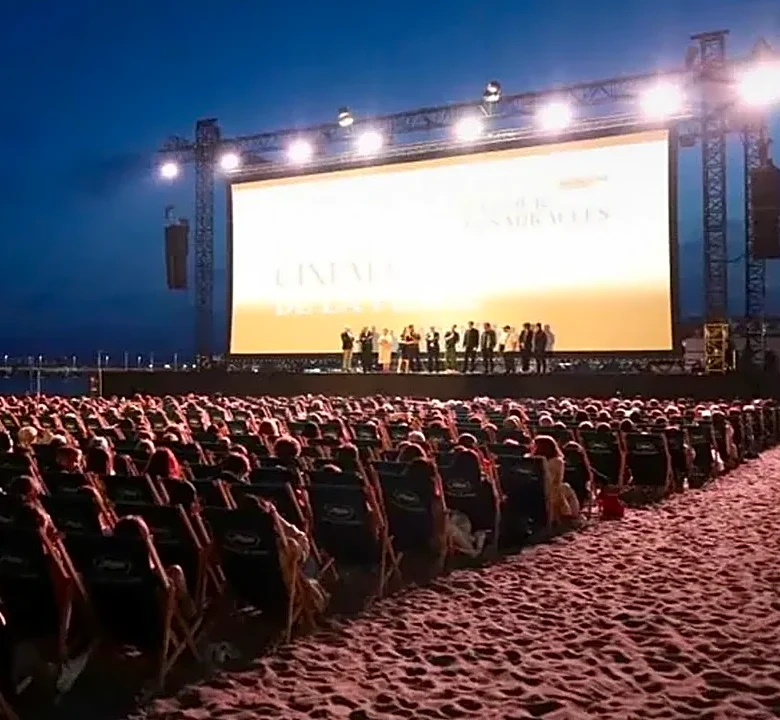
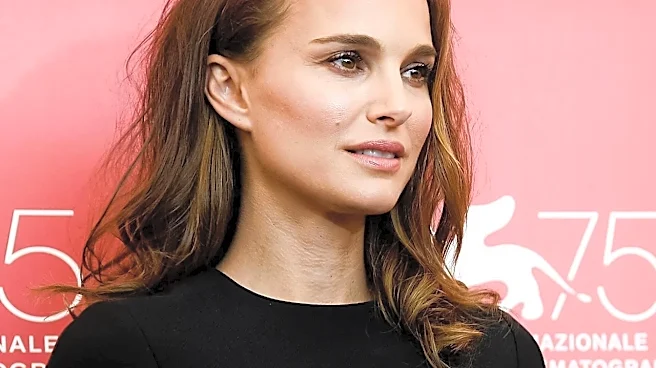
Long before the first Oscar predictions solidify, the awards season unofficially begins on the sun-drenched shores of the Venice Lido. As the world's oldest film festival, Venice has transformed into a critical launchpad for Hollywood's most ambitious
projects. It's the first leg of the fall festival trifecta, alongside Telluride and Toronto, where potential contenders are unveiled to an audience of influential critics and industry insiders. For many films, this is their first, best chance to make an impression. A strong premiere here doesn't just generate good reviews; it creates momentum. Films like "Birdman," "La La Land," "The Shape of Water," and "Nomadland" all leveraged their Venice debuts into major Oscar success, including Best Picture wins. The festival has become an essential stop for any studio with serious awards aspirations, providing a platform to gain critical acclaim and generate the all-important buzz that can sustain a campaign for months.
Crafting the Campaign Narrative
An awards campaign is a marketing campaign, and every great campaign needs a simple, compelling story. This is where the power of a single quote comes into play. In a crowded field, voters and media members need a hook—an emotional shorthand that encapsulates why a particular film or performance matters. A candid remark in a press conference or a heartfelt reflection on the red carpet can become the foundation of that narrative. It might be an actor talking about their personal connection to a challenging role, a director explaining their passion for the subject matter, or even a surprisingly funny off-the-cuff observation. Publicists and campaign strategists are masters at identifying these moments. They know that a quote that is authentic, emotional, and repeatable can be more valuable than a dozen five-star reviews. It provides a human angle that cuts through the noise and gives people a reason to root for a contender.
A Case Study in Action
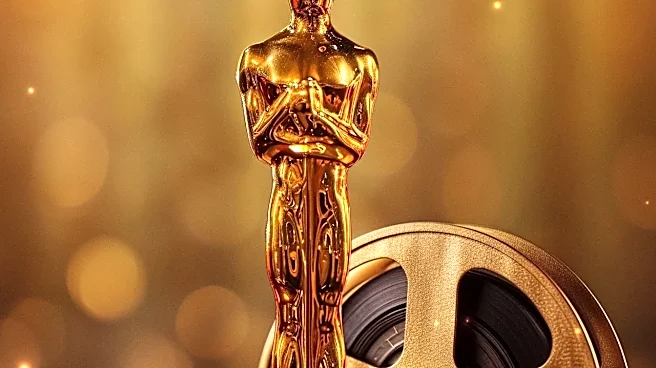
History is filled with examples. Think of Brendan Fraser's emotional, tear-filled press tour for "The Whale," which began with a minutes-long standing ovation in Venice and immediately framed his campaign as a triumphant comeback story. The narrative was powerful, personal, and it carried him all the way to a Best Actor Oscar. Or consider Lady Gaga's campaign for "A Star Is Born," where her oft-repeated anecdote—"There can be 100 people in a room and 99 of them don't believe in you, but all it takes is one"—became a viral meme. While some mocked its repetition, it perfectly captured the film's theme of belief and mentorship, creating a powerful, self-fulfilling story of a star being born both on-screen and off. These narratives aren't accidental; they are the engine of a modern Oscar campaign, and they often get their first spark of life at a festival like Venice.
Why the Story Sticks
The journey from a September festival premiere to the Academy Awards in March is a marathon, not a sprint. Over those six months, hundreds of films are vying for the attention of a few thousand Academy voters. A simple, sticky narrative is crucial for staying in the conversation. The quote that emerges from Venice serves as the campaign's thesis statement. It gets repeated in magazine profiles, clipped for morning talk shows, and referenced in roundtable discussions. This repetition builds familiarity and emotional investment. When it comes time for voters to fill out their ballots, they're not just recalling a performance; they're recalling the story behind the performance. They remember the actor who overcame adversity, the director who poured their soul into a passion project, or the film that captured a cultural moment. The quote becomes the anchor for that memory, making a contender feel not just worthy, but inevitable.