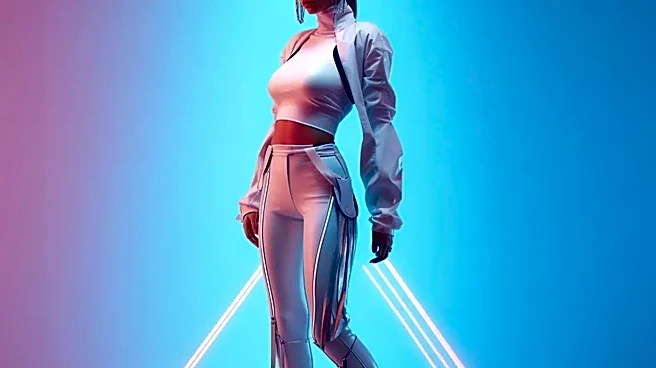

The Age of Everything, All at Once
Welcome to Gen Z maximalism, an aesthetic built for a generation that grew up online. It’s a rebellion against the clean, corporate-friendly minimalism that dominated the 2010s. To Gen Z, that polished
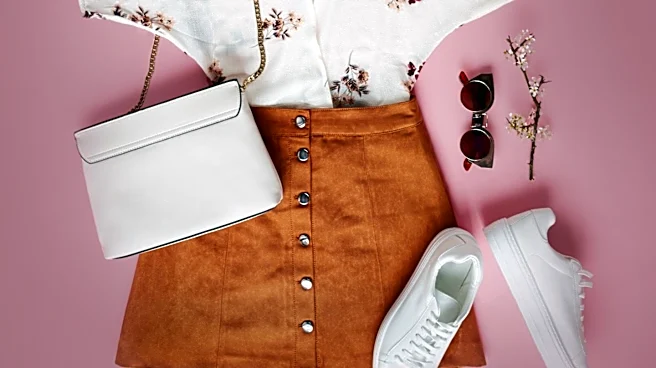
look can feel sterile and boring. Their answer is an explosion of self-expression: layered graphics, bold typography, vibrant and clashing colors, and a visual density that demands your attention. It’s sometimes called 'dopamine decor' or 'cluttercore,' where the goal is to create spaces and styles that spark joy and reflect a complex identity. This isn’t just chaos for chaos' sake; it's about authenticity and standing out in a world saturated with content. In fashion, this translates to rejecting quiet luxury in favor of DIY-_inspired looks, thrifted treasures, and outfits that tell a story—even if that story is ironic and layered.
The Quiet of an Analog Future
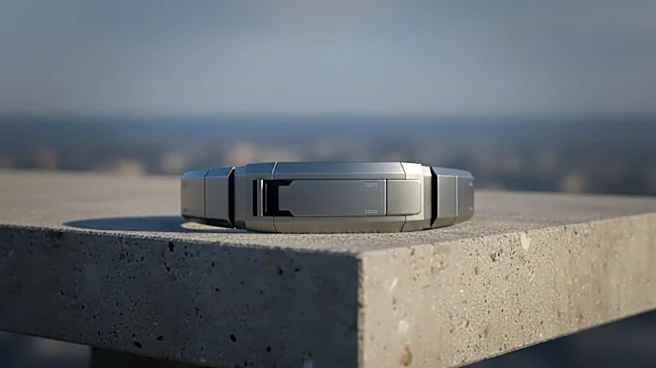
On the other end of the spectrum is Gen X sci-fi minimalism. Think about the imagined futures from the late 20th century—the clean, functional, and often beige or grey interiors of ships in films like Alien or the original Star Wars. This aesthetic wasn't born from digital noise but from analog dreams and Cold War anxieties. It’s a vision of the future rooted in practicality, scarcity, and a time before the internet. The style is often called 'retro-futurism,' mixing nostalgia for a past vision of tomorrow with a sleek, uncluttered approach. It's characterized by clean lines, muted color palettes, and a focus on function over excessive decoration. This look, sometimes dubbed 'Gen X Soft Club,' finds beauty in understated, melancholic, and timeless pieces—a stark contrast to the vibrant, of-the-moment trends of maximalism.
An Overdose of 'More'
So, why is this older, quieter aesthetic making a comeback? The answer may be burnout. The very thing that makes Gen Z maximalism so vibrant—its constant stimulation and demand for attention—can also be exhausting. As our lives become increasingly digital, there's a growing yearning for clarity and focus. The minimalist impulse is often a response to excess, while maximalism is a response to monotony. After years of dopamine-driven feeds and hyper-curated online personas, the simplicity of Gen X sci-fi minimalism offers a visual detox. It represents a desire to unplug, to find calm in a world of overwhelming choice. It’s not an attack on maximalism but a natural pendulum swing—a cultural search for balance between noise and silence, freedom and control.
From Screen to Wardrobe
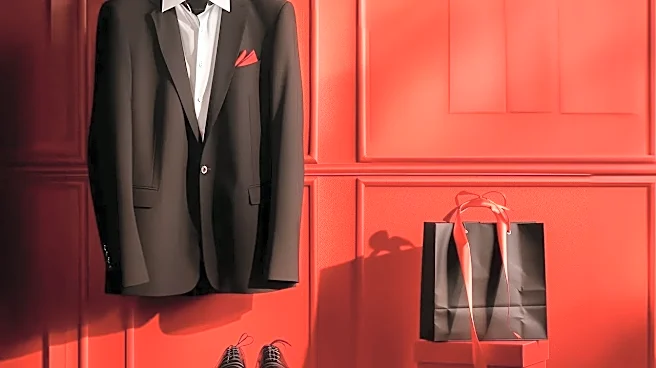
This aesthetic clash is visible everywhere. In tech, the maximalist approach can be seen in customizable, feature-rich interfaces, while a minimalist trend is emerging in new devices designed for single functions and reduced distraction. In fashion, it's the difference between a TikTok creator layering vintage patterns and clashing colors versus the rise of sleek, monochromatic techwear and the '90s-inspired uniform of oversized trousers and simple tops. Even interior design is a battleground. The maximalist 'cluttercore' home, filled with plants, art, and personal trinkets, stands in direct opposition to the minimalist space that values empty surfaces and intentionality. One promises expressive joy and the other, serene discipline. Both are valid ways of creating a personal sanctuary in a complicated world.