




The High-Stakes Theater of Hall H
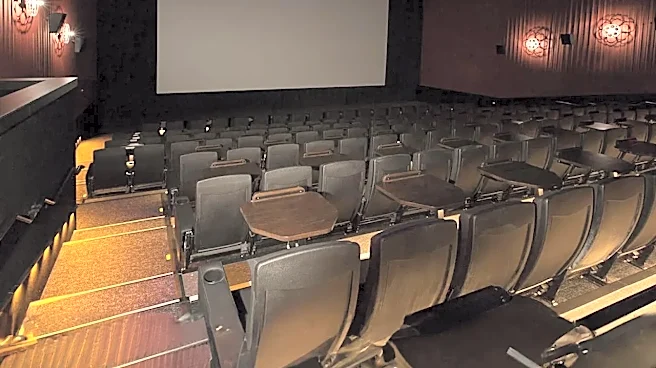
To understand the illusion, you first have to grasp the stakes. For a major Hollywood studio, a presentation in San Diego Comic-Con’s 6,500-seat Hall H is not just a fan event; it’s one of the most critical marketing beats of the year. These panels are
where studios launch billion-dollar franchises, build years of goodwill, and generate global headlines. With millions invested in creating exclusive footage and flying in A-list talent, there is zero room for error. Nothing is left to chance. Every laugh, every gasp, and every standing ovation is the intended result of months of meticulous planning, scripting, and rehearsal. The goal isn’t to have a conversation; it’s to create a flawless, hour-long commercial that feels like a once-in-a-lifetime experience.
Scripting the Unscripted Banter
The easy-going chemistry and witty banter between cast members often feel like the highlight of a panel. It’s what makes the audience feel like they’re eavesdropping on a fun, private conversation. But more often than not, that banter is as scripted as the movie itself. Actors are given detailed talking points, and key moments of interaction are often rehearsed. Confidence monitors, disguised as part of the stage design, frequently display not just a timer but also key phrases, cues, and even entire jokes. A “surprise” guest appearance is a military-grade operation, timed to the second for maximum impact. Even the fan Q&A, a segment seemingly designed for unpredictability, is often carefully managed. While not every convention pre-screens questions, staff often vet them in the queue to weed out inappropriate or time-wasting queries, ensuring the final questions serve the panel's promotional purpose.
The Ringmaster in the Chaos
The key to making all this control feel invisible is the moderator. Often a professional host or entertainment journalist, their job is to be the audience’s proxy, a steady hand guiding the ship through a sea of manufactured chaos. A great moderator knows the script inside and out. They know when to ask a prepared follow-up question, when to pivot to a video package, and how to gently cut off a rambling answer to keep the show on its brutally tight schedule. They are the conductors of the orchestra, making sure every element lands with precision while maintaining a veneer of casual conversation. Their skill lies in making their own heavily prepared role seem like the easiest job in the room.
The Magic Is the Point
So if it’s all a show, why do fans—many of whom camp out overnight for a seat—still find it so magical? The answer lies in the psychology of fandom itself. Fans aren't being duped; they are willing participants in a shared emotional experience. Being in Hall H is about belonging, about sharing a physical space with thousands of people who love the same thing you do and collectively experiencing the reveal of a new trailer or the appearance of a beloved star. The polish and spectacle are part of the appeal. It’s a secular ritual where the energy of the crowd and the precision of the presentation combine to create a feeling of genuine connection and excitement. The performance is the point, and the illusion of spontaneity is simply a testament to the incredible craftsmanship behind the magic.