





The Scene That Changed Everything
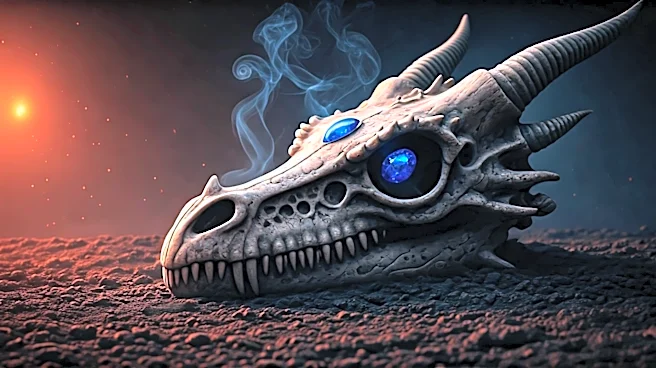
It arrives late in the first episode, in a moment of quiet intimacy that feels worlds away from the brutal jousts and political scheming. King Viserys I, his health already beginning to fail, leads his daughter and newly named heir, Rhaenyra, to the skull
of Balerion the Black Dread. He isn't there to lecture her on power or duty in the way we expect. Instead, he shares a secret passed down from king to heir since Aegon the Conqueror: a prophetic dream. Aegon, he explains, didn't conquer Westeros simply for ambition. He foresaw a terrible winter coming from the North, bringing with it a darkness that would destroy the world of the living. He called this dream “A Song of Ice and Fire.” This revelation lands like a thunderclap. The Targaryen dynasty, so often defined by its madness and ambition, was founded on a sacred duty: to unite the realm and ensure a Targaryen was on the Iron Throne to lead humanity against the coming apocalypse.
Connecting The Dots to Game of Thrones
For anyone who watched *Game of Thrones*, those words—“A Song of Ice and Fire”—are electric. It’s the title of George R.R. Martin’s book series, but its in-universe meaning was always shrouded in mystery, often linked to the union of Jon Snow (Stark/Targaryen) and Daenerys Targaryen. The original show never gave us a definitive origin for the phrase. But here, in a prequel set nearly 200 years earlier, the showrunners provided one. Suddenly, the entire eight-season saga of *Game of Thrones* is recontextualized. The Targaryen obsession with holding the Iron Throne wasn’t just about greed; it was, at its core, about protecting a sacred trust. Aegon’s dream was about the White Walkers and the Long Night. This single scene retroactively gives the entire Targaryen lineage a higher, tragic purpose. They were meant to be the saviors of the world, yet their own internal conflicts—the very “Dance of the Dragons” we are watching—are what ultimately weaken their house and leave Westeros vulnerable when the threat finally arrives.
A Masterstroke of Adaptation
Here’s the detail that sends you down the rabbit hole: this prophecy is not in *Fire & Blood*, the book on which *House of the Dragon* is based. Martin’s book is written as a faux-history, compiled from biased and often contradictory maesters. It’s all about the “what,” not the intimate “why.” By adding Aegon's dream, showrunner Ryan Condal and his team accomplished something brilliant. They gave their prequel an immediate and profound connection to the original series that goes beyond simple fan service. It enriches both narratives. It makes Viserys’s desperate attempts to keep the peace more poignant and Rhaenyra’s claim more righteous. It also casts the impending civil war in an even more tragic light. They aren’t just fighting for a crown; they are unknowingly fumbling the fate of the entire world.
The Rabbit Hole Effect
This is the moment that activates the detective impulse. Once the shock wears off, the questions start flooding in. Did this prophecy survive the Dance of the Dragons? How was it passed down? Did the Mad King Aerys know? Was Rhaegar Targaryen’s obsession with prophecy a twisted version of this original duty? Did Daenerys, who hatched dragons and seemed destined to fulfill the family’s legacy, ever learn of it? This one piece of information invites a complete re-watch of *Game of Thrones* with a new lens. You start hunting for clues, for whispers of this forgotten purpose. You hit the wikis, you dive into Reddit threads, you start connecting disparate pieces of lore. The show stops being something you just watch and becomes a puzzle you need to solve. It’s a genius narrative device that honors the deep, layered world-building of Martin's universe while making it accessible and compelling for a television audience. It validates the idea that history, even fictional history, is driven by secrets.