
The Great Post-Sweatpants Reckoning
For a couple of years, comfort was king. The lines between workday, weekend, and evening blurred into a single, soft-fabric uniform. But as the world reopened, a collective desire to 'make an occasion' of going out took hold. Restaurants, seeking to recapture
a sense of experience and ambiance, began re-implementing or reinforcing dress codes. This wasn't necessarily a return to the stuffy 'jacket required' era, but a gentle nudge away from the hyper-casual. It signaled a cultural shift: dressing up once again felt celebratory rather than restrictive. This created a new fashion landscape where putting in effort is part of the fun, moving evening wear away from pandemic-era loungewear and back toward intentional style choices. The result is a renewed interest in what it means to look good for a night on the town.
Decoding the 'Smart Casual' Universe
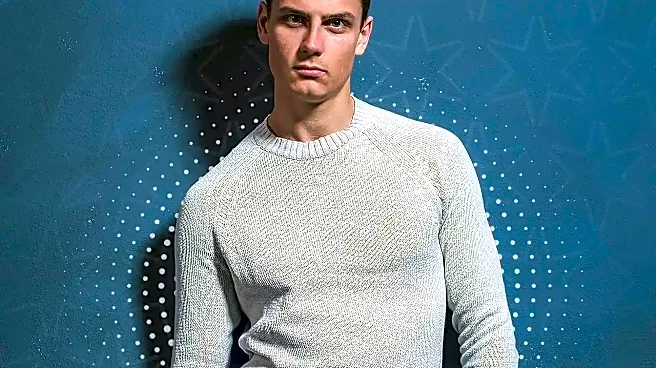
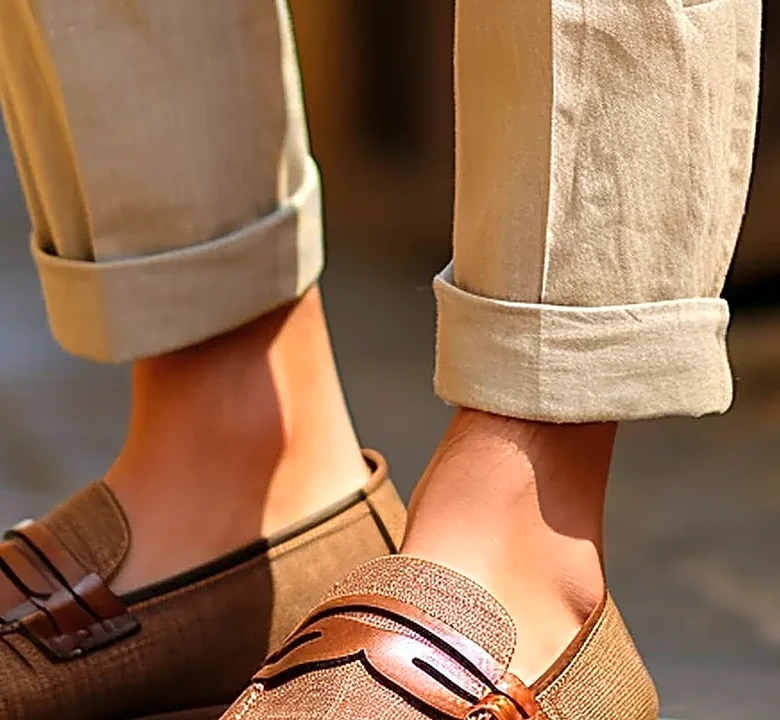
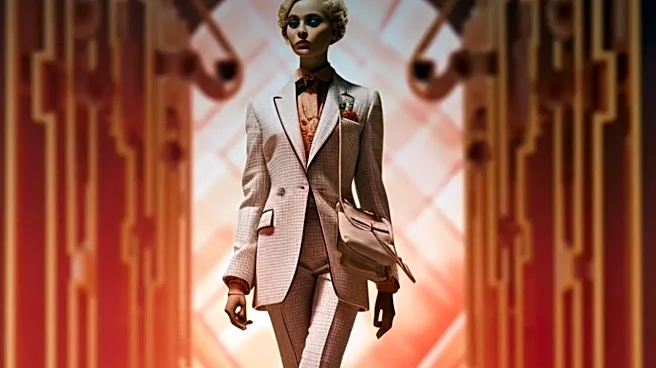
Perhaps no term causes more confusion than 'smart casual'. It's the go-to dress code for establishments that want to seem relaxed but refined. So what does it actually mean in 2026? Think of it as dressing your casual wear up, not dressing a suit down. It’s about adding structure and polish to comfortable pieces. This could mean pairing dark, clean-cut jeans with a tailored blazer, or a quality knit top with leather loafers. The operative word is 'smart', not 'casual'. It’s a code that allows for personality through texture and layering but still expects a polished presentation. As a result, everyday fashion has adapted. Brands are now focused on 'elevated basics'—simple pieces that look intentional and stylish, like relaxed-fit trousers, fine-gauge knit tops, and satin midi skirts that can easily be dressed up for a dinner reservation.
The Rise of 'Quiet Luxury'
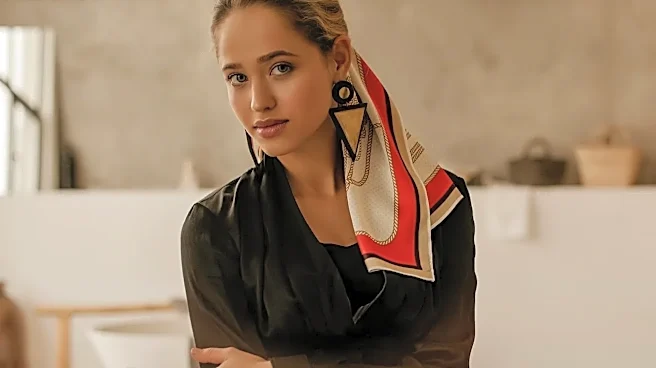
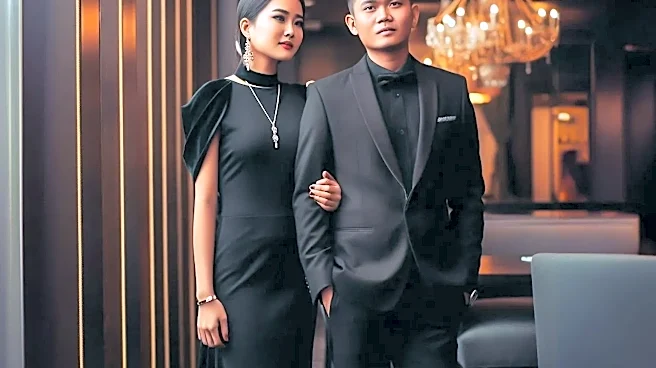
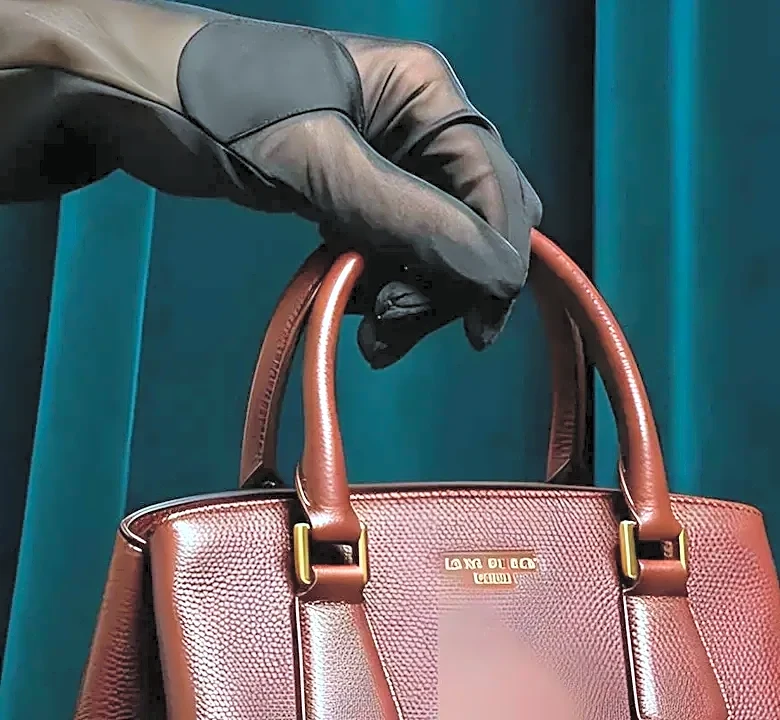
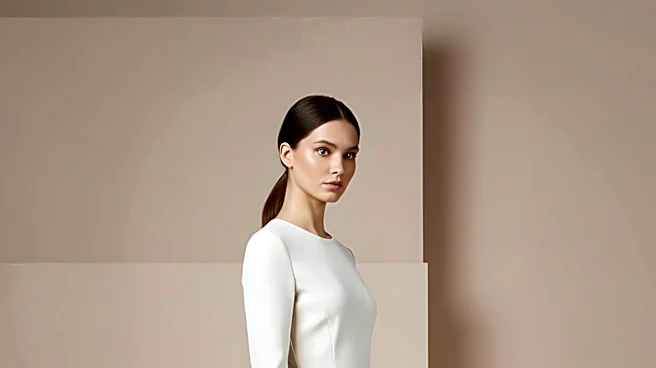
On the higher end of the dining spectrum, a different trend has taken hold: 'quiet luxury'. This aesthetic rejects loud logos and flashy embellishments in favor of impeccable tailoring, high-quality fabrics, and timeless design. It's less about showing off and more about an understated confidence that comes from quality and fit. For evening wear, this translates to sculptural silhouettes, rich neutral colors, and luxurious materials like silk, cashmere, and satin that catch the light beautifully. This trend influences casual fashion by putting the focus on investment pieces and fit over fleeting trends. A simple, perfectly fitted black dress or a pair of fluid trousers becomes the height of sophistication. It’s a move away from dressing for the trend cycle and toward dressing for oneself, with an emphasis on clothes that feel as good as they look.
Individualism and the No-Code Code
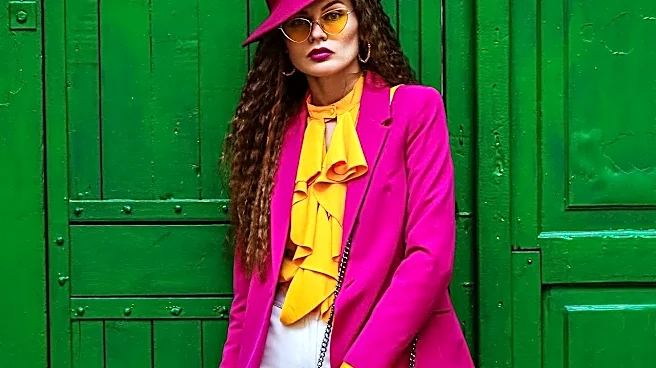
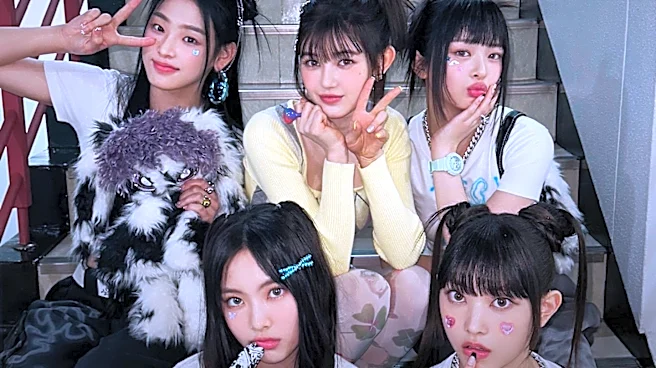
At the same time, there's a strong countercurrent pushing back against rules. Many younger diners and more modern venues champion individualism, arguing that personal style shouldn't be dictated by an establishment. This has led to a more diverse and expressive approach to evening fashion, where streetwear, vintage finds, and avant garde looks mix freely. Social media platforms like TikTok fuel this by showcasing a vast range of aesthetics, from 'coquette' bows and lace to Y2K inspired low rise pants and crop tops. For many, dressing for a night out is now more about self expression than conforming to a code. This has ironically created a new kind of pressure: the fear of being overdressed in a casual crowd. This tension between wanting to dress up and wanting to fit in defines the modern evening wear dilemma.