



An Authentic Anomaly in an Era of Artifice
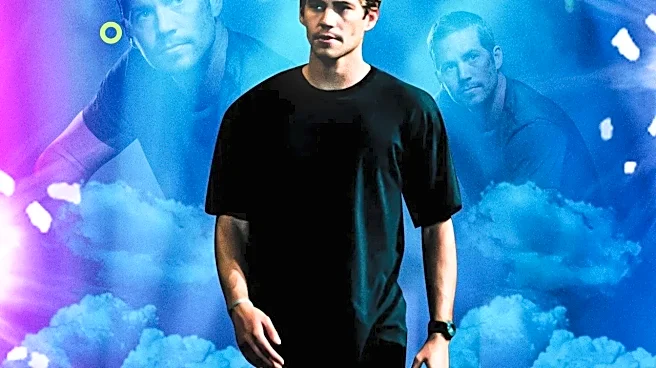
Paul Walker’s enduring appeal begins with his authenticity. He wasn't playing a part; he was the part. His portrayal of Brian O'Conner in 'The Fast and the Furious' franchise felt real because, in many ways, it was. Walker was a genuine car enthusiast,
a laid-back Southern California native whose on-screen persona and off-screen personality were nearly indistinguishable. This wasn't the method acting of a performer disappearing into a role, but the rare alignment of a man and his most famous character. While other actors were chasing prestige or crafting careful public images, Walker was an avid surfer and marine biology enthusiast who seemed to stumble into stardom and never quite let it change him. That approachable, 'what you see is what you get' quality became his superpower, creating a connection with audiences that felt less like fandom and more like friendship.
Surviving the Late '90s Heartthrob Gauntlet
The first generation of leading men Walker 'outlasted' were his direct contemporaries: the teen idols of the late 1990s. After getting his start in TV and films like 'Pleasantville' and 'Varsity Blues', he was part of a cohort of rising stars. Yet, while many of his peers were defined by their moment—the high school rom-com, the teen slasher flick—Walker found a vehicle that allowed him to evolve. 'The Fast and the Furious' in 2001 was a breakout hit that catapulted him beyond the teen genre. While other heartthrobs struggled to transition to adult roles or faded from the A-list, Walker anchored a franchise that grew from a modest street-racing flick into a global action behemoth, taking him and his audience along for the ride.
Defining the 2000s Franchise Model
The second generation was the action heroes of the 2000s, an era when the modern franchise was forged. Walker stood apart here, too. While other leading men jumped between tentpoles or saw their franchises rebooted, Walker's journey as Brian O'Conner was singular and continuous. His on-screen chemistry with Vin Diesel's Dominic Toretto became the saga's emotional core, a bond of brotherhood and family that grounded the increasingly explosive stunts. Brian’s arc from undercover cop to loyal member of Dom’s crew was the narrative heart of the series. He wasn't just a star in a franchise; he was the co-author of its soul, the relatable human counterpoint to Diesel's mythic hero. This deep, long-term investment in a single character created a loyalty that few of his peers could match.
Becoming a Posthumous Icon for a New Generation
Walker's tragic death on November 30, 2013, during a break from filming 'Furious 7', could have been the end of his story. Instead, it marked his ascension into legend. The third generation of leading men are the stars of today, often defined by their roles in vast, interconnected cinematic universes. But Walker’s legacy has a permanence that transcends them. The respectful and deeply moving way 'Furious 7' handled his departure, using his brothers as stand-ins and digital technology to give him a final, peaceful ride into the sunset, was a masterclass in tribute. The accompanying song, 'See You Again', became a global anthem of remembrance. This tribute cemented his status not just as an actor, but as a symbol of loyalty and family—the very themes his films celebrated. His quiet, extensive philanthropic work with his disaster relief organization, Reach Out Worldwide, which only became widely known after his death, further solidified an image of genuine goodness.