






The Secret Swap: Cream Over Powder
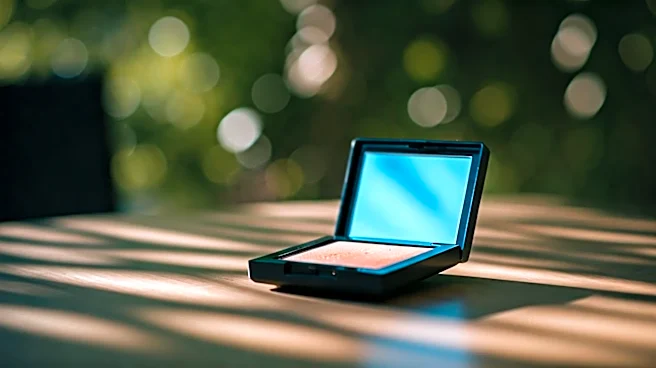
Here it is, the single most effective change you can make for outdoor events: swap your powder blush, bronzer, and highlighter for cream-based formulas. It seems almost too simple, but the textural difference is what separates a good makeup day from a great
one, especially when a camera is involved. While powders have their place for setting makeup or achieving a matte finish indoors, their properties work against you under the sun. Cream products, on the other hand, are practically made for glowing, sun-dappled skin. This one adjustment affects how light interacts with your face, which is the key to looking vibrant and natural in any photo taken outside, from a midday picnic to a golden-hour ceremony.
Why Powder Can Fail You Outdoors
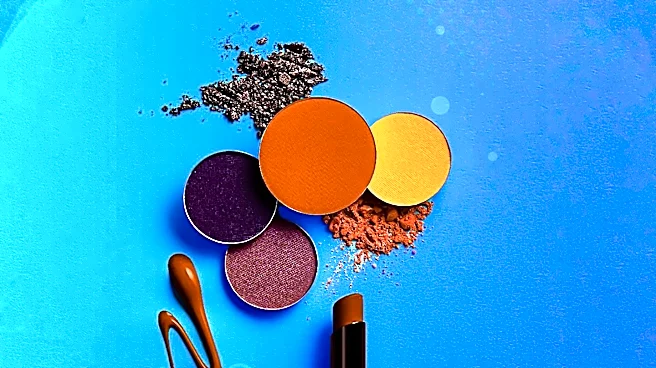
Powder makeup is composed of fine, dry particles that are designed to sit on top of the skin. Their primary job is often to absorb oil and create a uniform, matte surface. While this is great for controlling shine under office lighting, it becomes a problem in the unforgiving clarity of daylight. Under the sun, powder can look stark and heavy, emphasizing any fine lines, wrinkles, or dry patches by settling into them. It absorbs light rather than reflecting it, which can make your complexion appear flat, one-dimensional, and less vibrant in photographs. The dreaded “cakey” look is almost always a result of powder buildup that’s invisible indoors but glaringly obvious outside.
The Magic of Cream Formulas
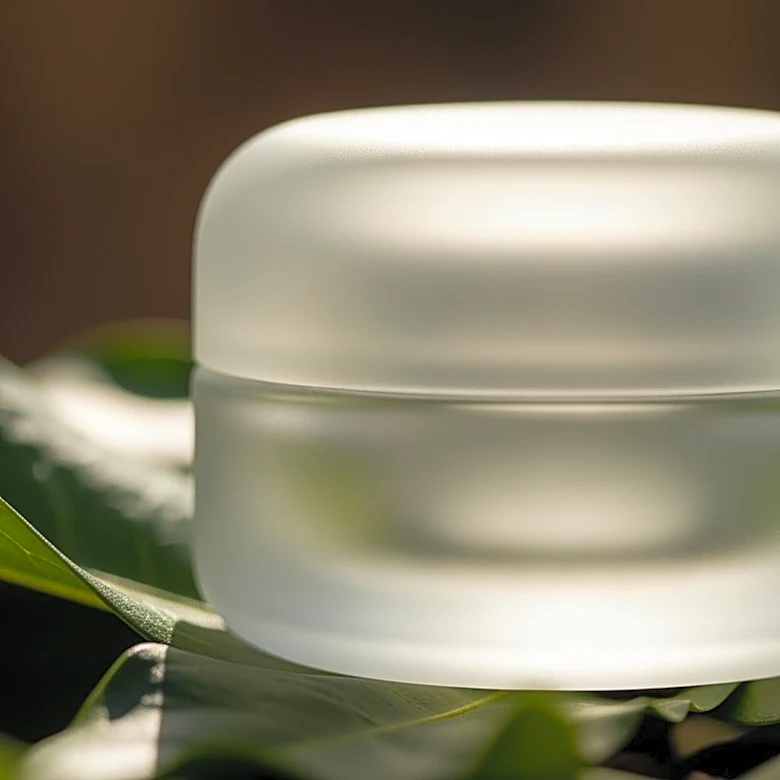
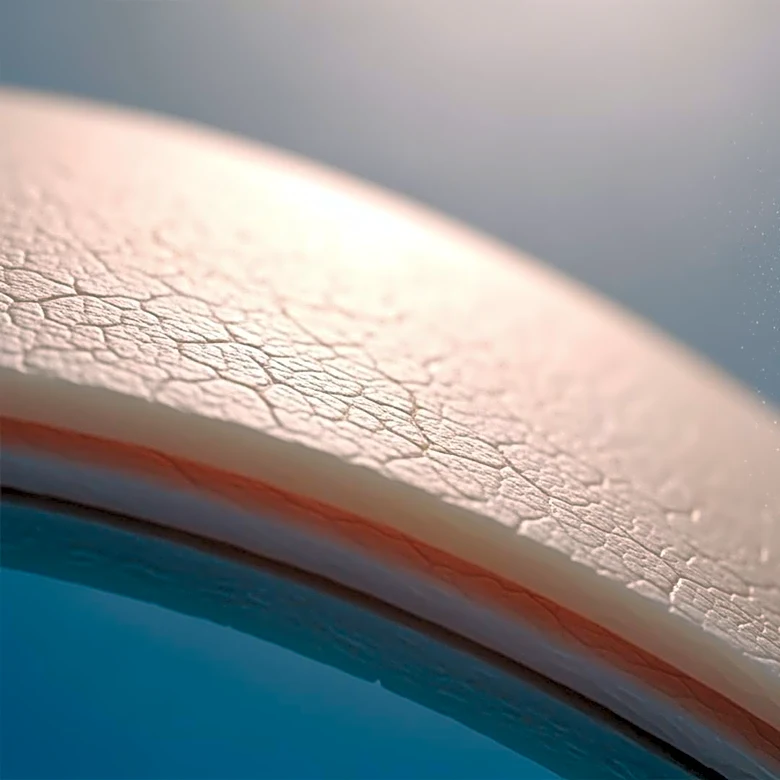
Cream products are a game-changer because they behave more like skin itself. Formulated with emollients, they don’t just sit on the surface; they meld with your skin, creating a seamless, hydrated finish. This is the secret to that coveted “lit from within” glow. In natural light, a touch of cream blush gives a genuine, healthy flush that looks like it’s coming from your own cheeks. A cream highlighter creates a dewy sheen that catches the light beautifully, making your skin look plump and youthful without any tell-tale glitter particles. Because they move with your skin and don’t settle into lines, cream formulas contribute to an overall softer, more forgiving, and photogenic appearance. They look less like makeup and more like you, just on a really good day.
How to Make the Switch Work
Making the transition is simple. Start by finding a cream blush in a shade you already love. Most come in stick, pot, or doe-foot applicator form. The best application tool? Your fingers. The warmth of your fingertips helps melt the product into your skin for the most natural blend. Simply tap the color onto the apples of your cheeks and blend upward and outward. For more control, a dense, synthetic brush or a damp beauty sponge also works wonders. Apply your cream products after your foundation but before any setting powder. If you have oily skin and are worried about longevity, you can apply a very light dusting of translucent powder just to your T-zone, carefully avoiding the areas where you applied your cream blush or highlighter to preserve their dewy finish.
Don't Forget Your Base
For cream products to look their best, they need a well-prepped canvas. Outdoor events mean sun, so the non-negotiable first step is always sunscreen. Look for a lightweight, non-greasy formula that won’t interfere with your makeup. Many modern sunscreens double as excellent primers. Following that, ensure your skin is well-hydrated with a good moisturizer. Plump, hydrated skin allows cream makeup to glide on smoothly and blend effortlessly. If you use foundation, a liquid or tinted moisturizer formula will pair much more harmoniously with cream blush and bronzer than a heavy, matte-finish foundation would. The goal is to maintain that skin-like texture from your first layer to your last.