




Start With the Story
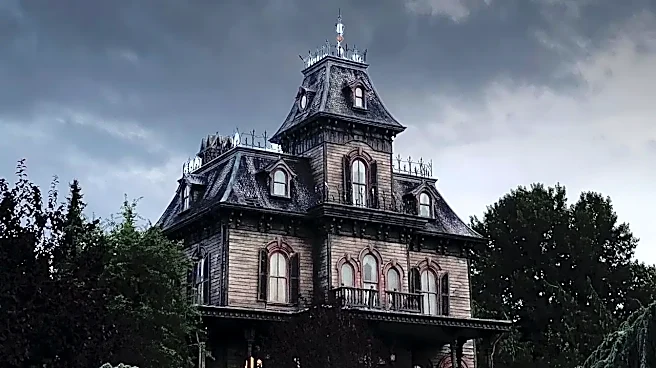
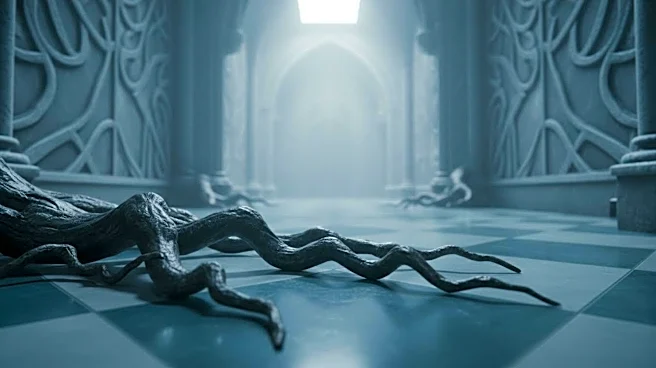
Before you even step inside, the story has already begun. The name of the house, the façade, and any pre-show videos are your first clues. Production designers don't just build random scary rooms; they craft a narrative. Is it a decrepit mansion, a subterranean
lab, or a crashed UFO? Every house tells a story, and the designers’ first job is to establish its rules and setting. As you approach, ask yourself: What world am I about to enter? What is the central conflict? The most detailed houses, especially the original concepts not based on a film, reward those who pay attention to the plot. Recognizing the narrative from the start turns a series of scares into a coherent, interactive play where you are the main character.
Read the Environment
Once inside, the walls really do talk. This is the core of environmental storytelling, a technique borrowed from film and video games where the setting itself advances the plot. Don't just rush from one scare to the next. Look at the details in the scenery. A knocked-over chair, a half-eaten meal on a table, or strange symbols scrawled on the wall are all deliberate choices. These elements provide context and build a sense of history and dread. Are the props new or aged? Is the decay natural or supernatural? These details are placed with intention to make the world feel lived-in and menacing. Every piece of set dressing is a sentence in the story; learning to read them lets you understand the horror on a deeper level, appreciating the moments of quiet dread as much as the loud shocks.
Follow the Light (and the Dark)
In a haunted house, light is a character. It directs your eye, sets the mood, and, most importantly, hides what you’re not supposed to see yet. Designers use lighting to orchestrate your experience. A single, swinging spotlight might draw your focus to a key prop, distracting you from the actor hiding in the shadows to your left. A sudden flash of a strobe reveals a horrific tableau for a split second before plunging you back into darkness, letting your imagination fill in the terrifying gaps. Pay attention to the use of color. Is a room washed in a sickly green or an alarming red? These choices are meant to evoke specific emotional responses. Darkness is just as important; designers know that what you can't see is often scarier than what you can.
Listen for the Unseen
Close your eyes for a moment in a house (if you dare) and just listen. The soundscape is one of the most powerful and underrated tools in a designer’s kit. It’s more than just loud noises for jump scares. It’s the subtle, ambient sound that builds tension: the drip of water, the creak of floorboards, a distant whisper. The audio is meticulously designed to create a sense of place and unease. A musical score can swell to signal impending danger, while specific sound cues are tied to a particular scare to maximize its impact. Sometimes, the most effective tool is silence—the sudden absence of noise can put you on high alert, making the eventual scare even more potent. The sound design is the house’s inner monologue, telling you how to feel from one room to the next.
Analyze the Flow and Pacing
A great haunted house isn't just a random collection of rooms; it has a deliberate flow and pacing, much like a film. Designers structure the experience with a beginning, middle, and end. The opening scenes establish the theme and build initial tension. The middle act is where you'll often find the most elaborate sets and intense scares, raising the stakes. The finale is designed to be a climax, a final, memorable fright before you’re sent back into the night. Notice how the layout forces you through tight corridors to create claustrophobia, then opens into a larger room for a big reveal. The path is intentionally confusing, with twists that block your sightlines so you can never see what's coming. This is all part of a carefully choreographed dance of fear, designed to keep you disoriented and vulnerable from start to finish.