









Moving Beyond the Premieres-or-Bust Mentality
Major international film festivals like Cannes, Venice, and Toronto are often defined by a high-stakes hunger for world premieres and the awards-season buzz they generate. The BFI London Film Festival (LFF) certainly features its share of star-studded
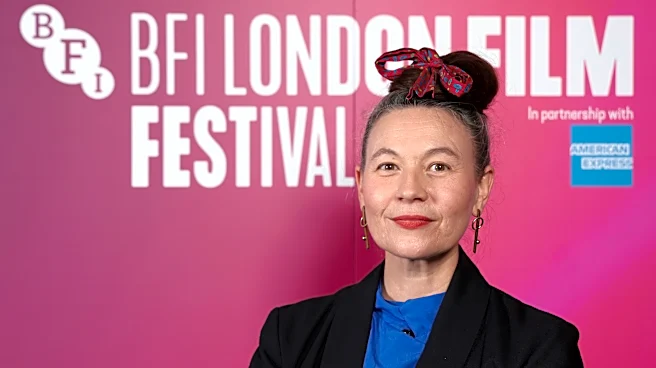
red-carpet galas, but its core identity isn’t built on being first. In an interview, Festival Director Kristy Matheson emphasized that securing a world premiere is not the 'organizing principle' for the LFF. Instead of competing in the same arms race for exclusives, London has cultivated a different reputation: that of a public-facing festival designed for discovery. It’s a place to see films that might not otherwise get a UK screening, creating a program that serves both dedicated cinephiles and casual filmgoers looking to explore.
The Thematic Blueprint Hiding in Plain Sight
The real clue to the festival's variety lies in its programming structure, a change implemented over a decade ago. Instead of grouping films by traditional categories like director, country of origin, or genre, the LFF organizes its massive lineup into thematic 'strands'. The festival asks attendees, 'What are you in the mood for?' and offers sections with evocative names like Love, Debate, Laugh, Dare, Thrill, Cult, and Journey. This approach fundamentally changes the curation process. Programmers aren't just trying to find the 'best' documentary or the 'most important' international feature; they are tasked with finding films that evoke a specific feeling or spark a particular conversation. The goal is to encourage discovery by grouping disparate films under a shared emotional or intellectual umbrella.
How Mood-Based Curation Creates Variety
This thematic strategy forces a broader, more eclectic selection process. A film in the 'Dare' strand, for example, might be a formally challenging piece of experimental art from a first-time filmmaker, placed alongside a provocative work from an established auteur. The 'Laugh' strand can comfortably house a broad studio comedy next to a dry, satirical indie. This philosophy allows a Palestinian-Jordanian documentary about a Bedouin family to screen alongside a Yemeni drama about a women-only petrol station and a secretly filmed story about Tehran's underground art scene. The common thread isn't the budget, the country, or the fame of the director, but the experience it offers the viewer. This method inherently prioritizes diversity in form, origin, and subject matter, ensuring the final program is a vibrant mix of global stories.
A Festival Designed for the Audience
Ultimately, this structure makes the LFF one of the most audience-friendly major festivals in the world. Rather than needing to be an industry insider to navigate the schedule, viewers can simply follow their curiosity. The thematic strands act as a guide, helping people take a chance on a film they might otherwise overlook. It transforms the act of choosing a movie from an exercise in predicting award-winners to an act of personal discovery. By curating for mood, the LFF strips away the intimidating aura that can surround festival culture, welcoming audiences to explore the full, weird, and wonderful breadth of contemporary world cinema. It's a festival built not just to showcase films, but to create connections between stories and the people who watch them.