

The Red Carpet as Act One
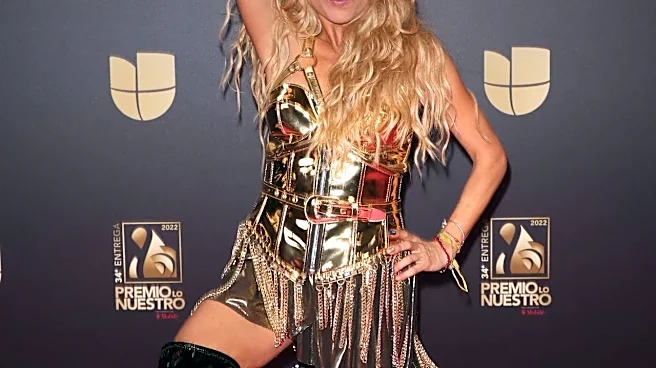
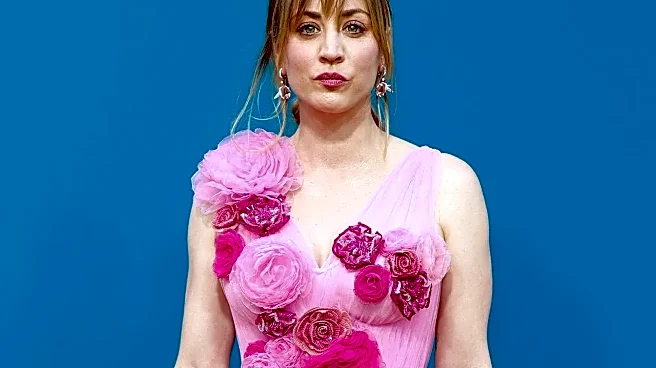
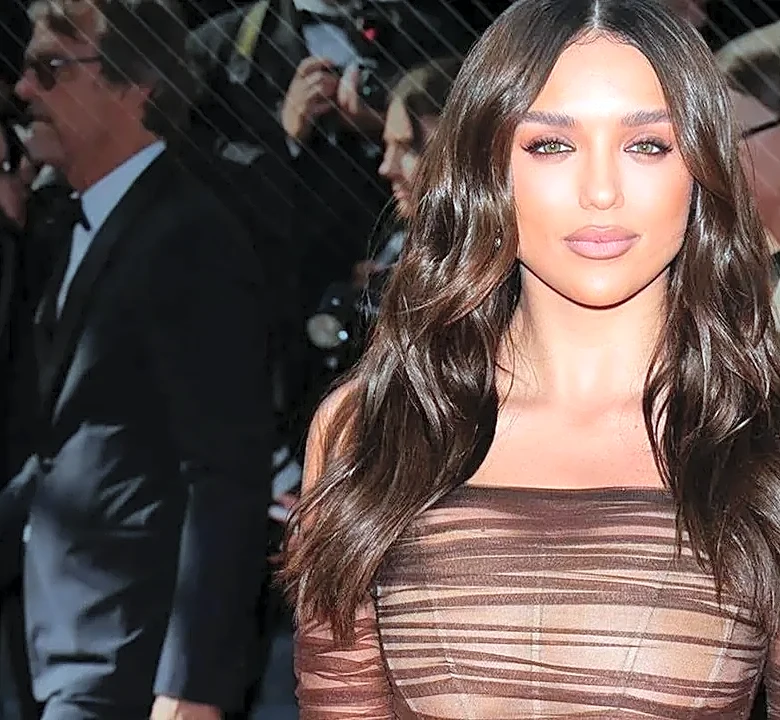
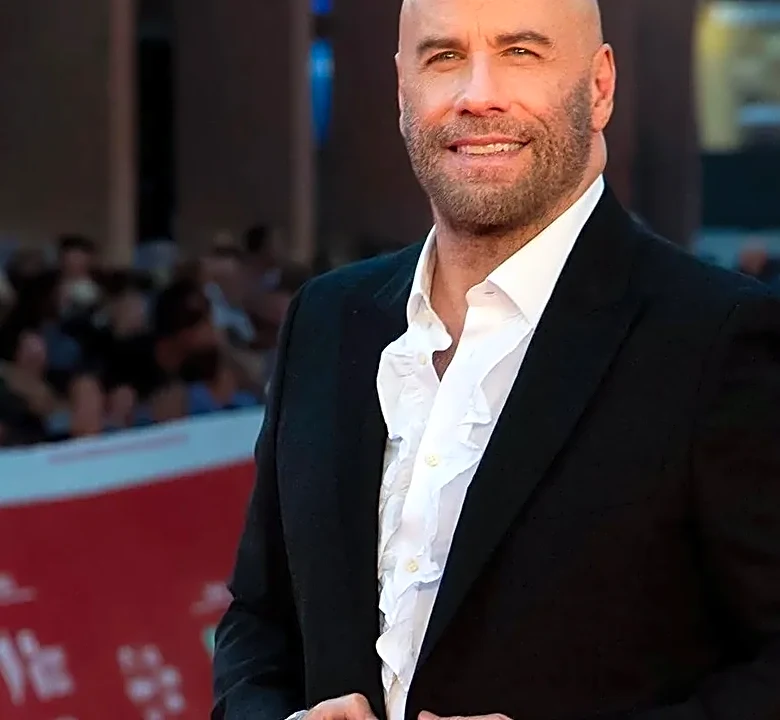
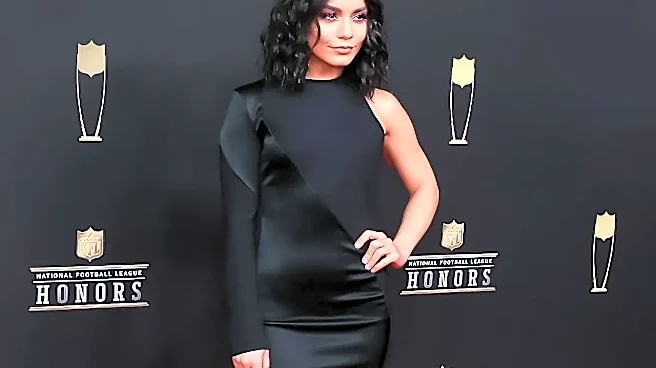
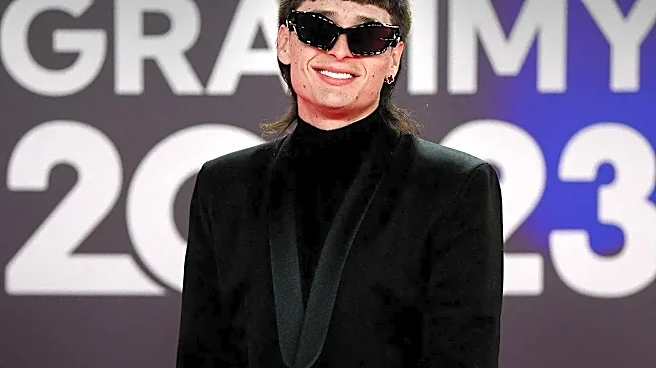
Long before the first award is announced, the Emmys begin with their unofficial first act: the red carpet. It’s far more than a parade of expensive outfits; it’s a strategic opening salvo in the night's narrative. This year was a prime example, with jewel
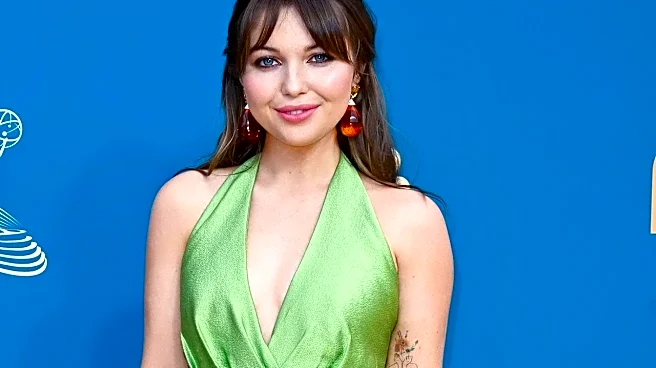
tones and sharp, tailored silhouettes dominating. Stars like Natalie Portman and Suki Waterhouse didn’t just show up in nice dresses; they arrived in carefully selected statements of personal brand. Portman’s choice was a masterclass in refined elegance, while Waterhouse blended vintage glamour with a contemporary edge. Meanwhile, other attendees like Ariana Madix worked with stylists to craft a specific, star-making image, describing her mermaid-inspired gown as a nod to her nominated work on "Love Island USA". The rise of sustainable and vintage fashion choices also adds a layer of messaging, allowing celebrities to communicate their values before ever saying a word. This procession is the show's built-in pre-game, setting the tone and giving the audience at home its first touchpoint for discussion and debate.
The Currency of the Win
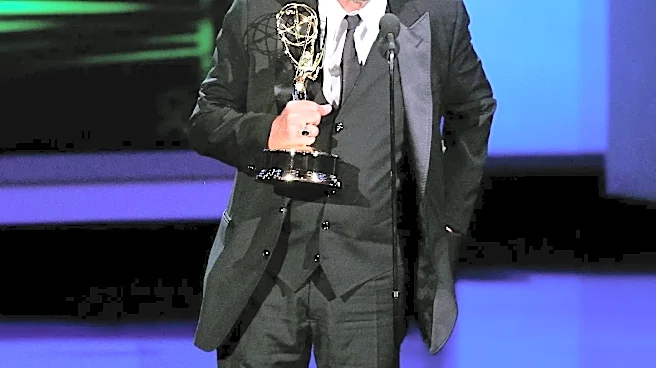
At its core, an awards show is about winning, but the Emmys turn the act of victory into its own form of high-stakes performance. The walk to the stage, the emotional speech—it's the emotional engine of the entire broadcast. Take Mariska Hargitay's two wins for her deeply personal documentary, "My Mom Jayne". Her acceptance wasn't just a thank you; it was the culmination of a personal journey shared with millions. Similarly, when 90-year-old Julie Andrews won for her voiceover work, it became a moment to celebrate a legendary career, extending her record as the oldest Emmy winner. The most poignant moment of the weekend was the posthumous award for Rob Reiner for his guest role on "The Bear". The standing ovation that filled the room wasn't just for a great performance; it was a collective, televised tribute to a lifetime in Hollywood, creating a powerful, unifying moment for everyone watching. These wins provide the night's emotional highs, generating clips that go viral and define careers.
The Reaction Shot Economy
For every euphoric winner, there are four other nominees who must perform the art of losing gracefully. This is where the Emmys find their silent, compelling B-story. The camera's focus on the non-winners has created what could be called the "reaction shot economy," where a well-managed look of disappointment (or genuine happiness for a colleague) becomes a talking point in itself. This year, Kaitlin Olson, nominated for her guest role on "Hacks," provided a masterclass in handling it with humor. After her fourth nomination without a win, she playfully posted on social media, dubbing herself a "four-time Emmy loser". Her joke was instantly relatable and generated its own wave of appreciative media coverage, turning a loss into a viral win. This dynamic adds a layer of relatable human drama to the proceedings, reminding the audience that for all the glamour, it's still a competition with real stakes and real emotions.
Fandom as the Second Screen
The Emmy broadcast no longer exists only on television. It lives a second, often more chaotic and influential, life on social media. Fandom is the unofficial co-producer of the modern Emmys experience. The moment an award is announced, or a star hits the red carpet, the internet lights up with commentary, memes, and hot takes. The surprise dominance of the new show "Widow's Bay," which snagged eight Creative Arts Emmys, immediately set social media buzzing with questions and created an underdog narrative heading into the main ceremony. Likewise, the awkwardness of "Spider-Noir" winning five Emmys after being canceled fueled online conversations about network decisions. The show's host, Mariska Hargitay, is keenly aware of this dynamic, even brainstorming ways to manage long speeches that could play into the online conversation. This two-screen experience ensures the Emmys aren't just a passive viewing event; they're an interactive one where the audience's reaction becomes part of the show's impact.