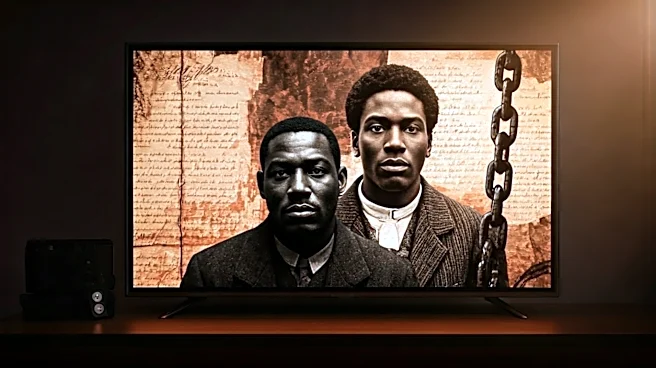









Beyond the 'Very Special Episode'
Let’s be honest: the “very special episode” is often a narrative dead end. When a show pauses its plot to deliver a well-meaning lecture on a historical event, audiences can feel the gears grinding. The characters become mouthpieces for exposition, and
the story loses its personal stakes. Early attempts to incorporate Juneteenth often fell into this trap, presenting the holiday as a date on a calendar to be explained rather than a lived experience to be felt. These episodes, while informative, can lack the emotional gut punch that makes for great television. They tell us *about* freedom, but they don't make us *feel* the earth-shattering impact of its delayed arrival.
The Narrative Power of a Secret
This is where the character secret comes in. A secret is a story engine. It creates an immediate, personal mystery for the audience to invest in. What is this person hiding? Why are they hiding it? And what will happen when it finally comes out? A secret automatically raises the stakes from the collective to the individual. It could be a hidden lineage, a suppressed family trauma, or an unknown truth about a character’s origins. Think of the stunning revelations in HBO's *Watchmen*, where Angela Abar discovers her own family’s hidden history is intertwined with the deep, violent secrets of America itself. Her journey isn't just about learning history; it's about uncovering a truth that redefines her entire identity.
A Metaphor for a Hidden History
The beauty of this narrative device is that a character’s personal secret becomes a powerful metaphor for the historical “secret” of Juneteenth itself. The holiday commemorates the day Union soldiers arrived in Galveston, Texas, to announce that the Civil War had ended and that enslaved people were free—a full two and a half years after the Emancipation Proclamation. It is a story about a monumental, life-altering truth that was deliberately withheld. When a TV character grapples with a secret that changes everything they thought they knew about their family or themselves, they are, on a micro level, re-enacting the macro drama of Juneteenth. The discovery of a long-lost relative, an ancestor who passed as white, or a family fortune built on a forgotten injustice all echo the core theme: the explosive, disorienting, and ultimately liberating power of a revealed truth.
The Drama Is in the Reckoning
The climax of these stories is not the historical fact of Juneteenth, but the personal reckoning that follows the secret’s exposure. The *black-ish* “Juneteenth” musical episode masterfully uses this concept. While the episode is an explicit history lesson, its emotional core lies in the Johnson family reckoning with the sanitized, hidden-in-plain-sight version of American history they’ve been taught. The “secret” isn’t a plot twist but a cultural blind spot they must confront. The drama comes from watching them process this new information and decide what it means for them, today. The story isn't just “this happened,” but “now that we know this, who are we?” This is where storytelling transcends explanation and becomes art. The revelation forces characters—and by extension, the audience—to sit with the messy, complicated, and often painful aftermath of truth.